

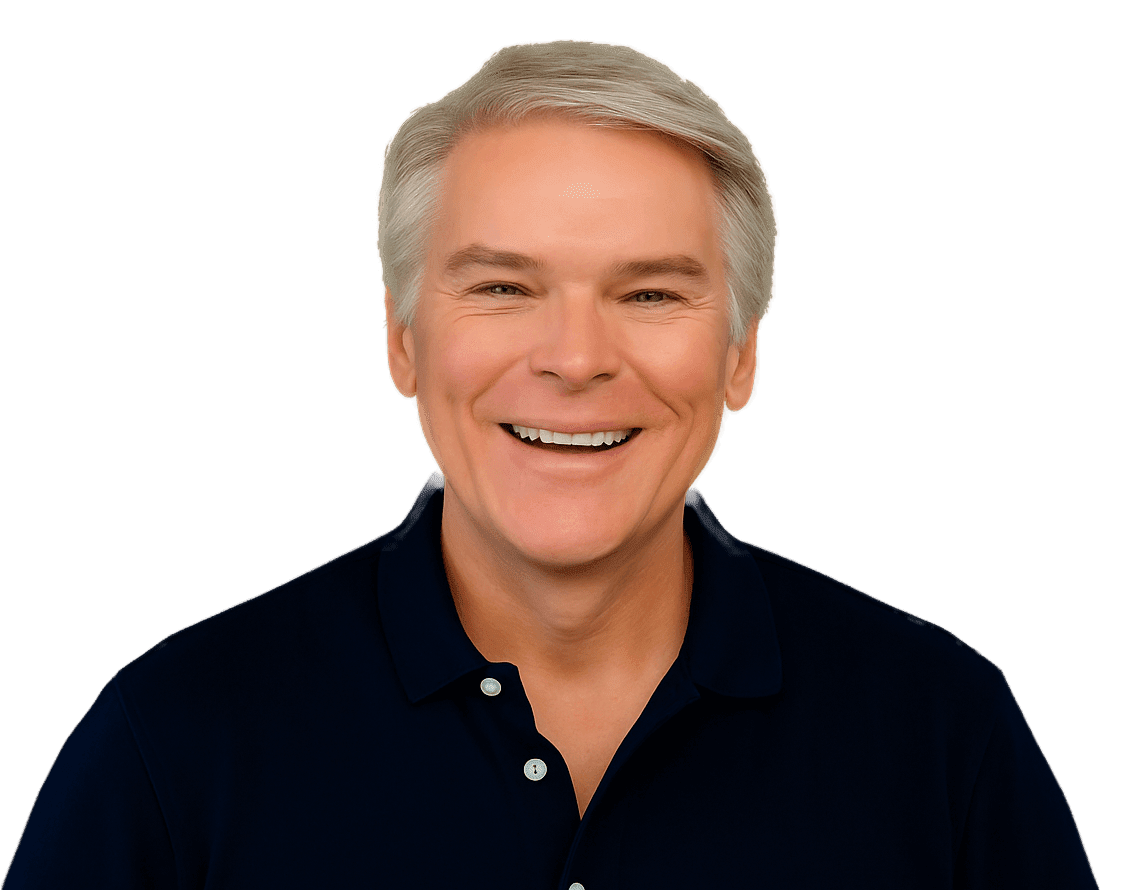
Seb Frey is a REALTOR® and founder of Team Sixty Plus, a curated network connecting older adults and their families with trusted professionals across California. With decades of experience helping homeowners 60+ navigate major life transitions—like downsizing, aging in place, or passing on a legacy—Seb brings deep market knowledge, a compassionate approach, and a commitment to simplifying complex decisions. When he’s not advising clients, he’s sharing expert insights on real estate, retirement strategies, and quality-of-life resources for the 60+ community.
Retirement is often described as the beginning of a new chapter, and for good reason. After years or even decades of working, meeting deadlines, raising families, and managing responsibilities, life suddenly looks very different. For many people, retirement brings excitement and freedom. At the same time, it can also bring uncertainty. Without the familiar routine of work, it’s natural to wonder what comes next. That is exactly why it helps to know the most important things to do after you retire before the newness wears off.
The first few weeks and months after retirement are an important transition. Rather than trying to fill every hour or make major life decisions immediately, it’s helpful to approach this new season thoughtfully. Small, intentional steps can help you build a lifestyle that feels meaningful, balanced, and enjoyable. Retirement isn’t just about leaving a career behind, it’s about creating a life that supports your health, relationships, interests, and personal goals.
Whether you’ve been planning for retirement for years or recently found yourself entering it unexpectedly, knowing where to begin can make the transition much smoother. Here are the first five things to focus on after you retire and why each one matters.
1. Give Yourself Time to Adjust
One of the biggest misconceptions about retirement is that you’ll instantly feel relaxed and fulfilled. While some people experience immediate relief, many others go through an adjustment period that can last several months or even longer. This is completely normal. For years, your work likely shaped your daily schedule, social interactions, sense of purpose, and identity. When that structure disappears, it can feel both liberating and disorienting. Even if you were eager to retire, it’s common to experience mixed emotions. You might feel excited one day and uncertain the next.
Instead of expecting yourself to have everything figured out, allow yourself time to settle into this new phase of life. Think of retirement as a transition rather than a finish line. You don’t have to reinvent yourself in the first month. This adjustment period is also a good opportunity to slow down. Many retirees realize they have been operating at a fast pace for decades without much opportunity to pause. Give yourself permission to rest, sleep a little longer if needed, enjoy slow mornings, or simply spend time doing things without feeling rushed.
Avoid making major decisions too quickly. Unless there’s an urgent reason, consider waiting several months before making significant financial commitments, selling your home, relocating, or taking on major projects. Living your retired lifestyle for a while often provides better perspective about what you truly want. Use this time to notice what brings you energy, what you miss about working, and what you don’t miss at all. These observations will help guide many of the decisions you make later.
If you’re finding the emotional transition more challenging than expected, Letting Go of Fear and Embracing Change After 60 offers practical guidance for navigating this new stage with greater confidence and peace of mind
2. Review Your Financial Plan with Fresh Eyes
Reaching retirement doesn’t mean your financial planning is finished. In many ways, it marks the beginning of a different financial stage. Your income sources may now include pensions, Social Security benefits, retirement accounts, savings, investments, or part-time work. Understanding how these pieces fit together is essential for creating long-term financial confidence.
Start by reviewing your monthly expenses. Some costs may decrease after retirement, such as commuting, work clothes, or business lunches. Other expenses might increase, especially if you plan to travel more, pursue hobbies, or spend additional time with family.
Take a realistic look at your budget. Ask yourself questions like:
- How much do I expect to spend each month?
- Are there any unnecessary subscriptions or recurring expenses?
- Have I planned for healthcare costs?
- Do I have an emergency fund for unexpected situations?
- Am I withdrawing retirement savings at a sustainable rate?
Many retirees find it helpful to create separate categories for essential expenses, lifestyle spending, and discretionary purchases. This makes it easier to adjust if circumstances change. Healthcare deserves special attention. Medical expenses often increase with age, even for healthy individuals. Understanding your insurance coverage, prescription costs, and long-term care options can help prevent unpleasant surprises later.
It’s also worth reviewing important documents such as wills, powers of attorney, healthcare directives, and beneficiary designations. These aren’t always enjoyable tasks, but keeping them current gives both you and your family greater peace of mind. If your financial situation is complex, meeting with a qualified financial professional can provide reassurance and help you make informed decisions. Even a single review may identify opportunities to improve your retirement plan. Remember that retirement isn’t about spending as little as possible. It’s about using your resources wisely so you can enjoy life while maintaining financial stability.
As you review your retirement budget, you may also benefit from reading Creating a Financial Plan After 60: Where to Start, which outlines practical steps for organizing your finances and planning for the years ahead.
Retirement Planning for Older Adults
Are you a little late to the retirement planning game? Get this comprehensive guide and get caught up!
Get the Guide!3. Create a New Daily Routine
Many people underestimate how much structure work provides. Even if your job was stressful, it gave your days a predictable rhythm. Without that structure, some retirees initially struggle with motivation or feel like the days begin blending together. Creating a new routine doesn’t mean filling every minute with activities. Instead, it means designing a schedule that supports your physical health, mental well-being, and personal goals.
Start with a simple morning routine. This might include making breakfast, taking a walk, reading the news, stretching, journaling, or enjoying coffee outside. Consistent mornings often set a positive tone for the rest of the day. Include regular movement whenever possible. You don’t need an intense exercise program to benefit from staying active. Walking, swimming, gardening, cycling, yoga, or light strength training can all contribute to better health and mobility.
Plan time for meals, errands, hobbies, and relaxation. Leaving some flexibility in your schedule allows you to enjoy spontaneous opportunities without feeling overwhelmed. Many retirees also find satisfaction in creating weekly traditions. You might visit the local farmers market every Saturday, have lunch with friends every Wednesday, volunteer on Mondays, or spend Fridays with grandchildren. Small routines help create purpose while still allowing plenty of freedom.
Don’t overlook the importance of sleep. While retirement may allow you to sleep later, maintaining reasonably consistent sleep habits often supports better energy levels and overall health. The goal isn’t to recreate the busyness of your working years. Instead, build a rhythm that feels balanced, enjoyable, and sustainable.
Building healthy habits becomes easier when you have structure, and The Power of Routine: Building Structure in Retirement shares ideas for creating a daily rhythm that supports both well-being and purpose.
4. Reconnect with People and Build Strong Relationships
Retirement changes more than your schedule, it often changes your social life as well. Many workplace friendships naturally fade once you stop seeing coworkers every day. If you don’t intentionally build social connections, loneliness can gradually become a challenge. The good news is that retirement creates opportunities to strengthen existing relationships and develop new ones.
Start by reconnecting with family and longtime friends. You may finally have more time to visit relatives, attend family gatherings, or simply enjoy conversations that were difficult to fit into a busy work schedule. Consider reaching out to former colleagues you genuinely enjoyed spending time with. Without the pressures of work, these friendships can continue in new ways through coffee meetups, lunches, or shared activities.
Joining community organizations is another excellent way to meet people who share your interests. Local libraries, senior centers, recreation departments, hobby clubs, gardening groups, book clubs, walking groups, and educational classes all provide opportunities for meaningful interaction. Volunteering offers another valuable path. Many retirees discover that giving their time to causes they care about provides both social connection and a renewed sense of purpose. Whether helping at a food bank, mentoring students, assisting at museums, or supporting local charities, volunteering benefits both the community and the volunteer.
Technology can also help maintain relationships, especially if loved ones live far away. Video calls, family group chats, and online communities make it easier than ever to stay connected across distances. Healthy relationships contribute to emotional well-being, cognitive health, and overall quality of life. Investing time in them is just as important as caring for your physical health.
5. Rediscover Your Interests and Explore New Opportunities
One of retirement’s greatest gifts is time, the opportunity to spend more hours on activities that genuinely interest you. Many people postpone hobbies, creative projects, travel, or learning opportunities while working. Retirement offers the chance to revisit those interests or discover entirely new ones.
Start by asking yourself a few simple questions:
- What activities have you always wanted to try?
- What did you enjoy before work and family responsibilities became your main focus?
- What subjects have always sparked your curiosity?
You don’t need to pursue every interest immediately. Instead, experiment with one or two activities and see what feels rewarding. Some retirees enjoy creative pursuits such as painting, photography, woodworking, knitting, writing, or music. Others enjoy gardening, birdwatching, cooking, genealogy, or home improvement projects.
Learning can also remain an important part of retirement. Many colleges, universities, libraries, and community centers offer classes specifically designed for older adults. Online learning platforms also make it possible to study everything from history and languages to technology and personal finance.
Travel is another common retirement goal, but it doesn’t always require expensive international vacations. Exploring nearby towns, visiting state parks, taking scenic drives, or discovering local museums can be equally enjoyable while staying within budget. Some retirees even choose to work part-time, consult, or start small businesses, not necessarily for financial reasons, but because they enjoy staying engaged and contributing their skills. The key is finding activities that feel personally meaningful rather than simply staying busy.
Take Care of Your Physical and Mental Health
Although it isn’t one of the five primary steps, caring for your health deserves ongoing attention throughout retirement. The habits you develop during this stage can significantly influence your quality of life in the years ahead. Continue scheduling regular medical checkups, preventive screenings, eye exams, hearing evaluations, and dental visits. Preventive care often identifies issues early, when they’re easier to manage.
Nutrition also becomes increasingly important. Focus on balanced meals that include fruits, vegetables, lean proteins, whole grains, and healthy fats. Staying hydrated and limiting excessive processed foods can support long-term health.
Physical activity doesn’t have to be complicated. Aim for consistent movement that you enjoy enough to continue. Walking with friends, swimming, dancing, or practicing gentle stretching can improve strength, flexibility, balance, and cardiovascular health.
Mental health deserves equal attention. Retirement can bring positive changes, but it may also involve adjusting to new routines, changing identities, or coping with the loss of coworkers, loved ones, or previous responsibilities. Mindfulness, meditation, reading, creative hobbies, social interaction, and spending time outdoors all contribute to emotional well-being. If feelings of sadness, anxiety, or loneliness become overwhelming or persistent, speaking with a healthcare professional is a healthy and proactive step. Taking care of your health allows you to enjoy the freedom retirement offers for many years to come.
Family Guide for Aging in Place
For Families with Older Adults who are looking to help with a Parent with Aging in Place!
Get the GuideAvoid Common Retirement Mistakes
Every retirement journey is different, but several common mistakes can make the transition more difficult than necessary. One frequent mistake is trying to stay as busy as possible immediately after leaving work. While activity is healthy, constantly filling your calendar may prevent you from discovering what you truly enjoy.
Another mistake is making major financial or lifestyle decisions too quickly. Large purchases, home sales, or relocations often benefit from careful consideration after you’ve experienced retirement for several months. Some retirees also neglect their social lives, assuming friendships will naturally continue. In reality, maintaining relationships usually requires intentional effort once daily workplace interactions end. Others underestimate healthcare costs or delay preventive care. Building these expenses into your long-term financial planning helps avoid unnecessary stress.
Finally, some people believe retirement means slowing down completely. Rest is valuable, but maintaining physical activity, intellectual curiosity, and social engagement often leads to greater satisfaction and better health over time. Recognizing these potential challenges early allows you to make thoughtful choices that support a more enjoyable retirement experience.
Retirement Looks Different for Everyone
It’s easy to compare your retirement with someone else’s, especially when social media highlights exciting vacations, new hobbies, or major adventures. However, there is no single “right” way to retire. Some people dream of traveling the world. Others find happiness tending a garden, spending time with grandchildren, volunteering locally, or simply enjoying a slower pace of life.
Financial situations, health conditions, family responsibilities, and personal interests all shape each person’s retirement experience. What brings fulfillment to one individual may not appeal to another. Instead of measuring your retirement against someone else’s expectations, focus on building a life that reflects your own priorities and values. Give yourself permission to adjust your plans as your interests evolve. Retirement isn’t a destination you reach once. It’s an ongoing journey that continues to change over time.
If you’re still discovering what a meaningful retirement looks like for you, When Retirement Feels Too Small: How to Reclaim Purpose, Connection, and Joy offers thoughtful ideas for building a life that reflects your own values and interests.
Putting These Things to Do After You Retire Into Action
Retirement marks the end of one important chapter, but it also creates space for countless new possibilities. The first few months don’t need to be filled with dramatic changes or ambitious goals. Often, the most successful transitions happen through small, thoughtful steps that gradually shape a fulfilling new routine.
Giving yourself time to adjust, reviewing your financial plan, creating healthy daily habits, strengthening relationships, and exploring new interests provide a strong foundation for this next stage of life. Along the way, caring for your physical and emotional health helps ensure that you can enjoy the opportunities retirement brings.
There is no perfect retirement plan that fits everyone. The best approach is one that reflects your personal values, supports your well-being, and allows you to spend your time in ways that feel meaningful. As you move forward, remember that retirement isn’t simply about leaving work behind, it’s about creating a life that continues to grow, inspire, and bring satisfaction for years to come.
