

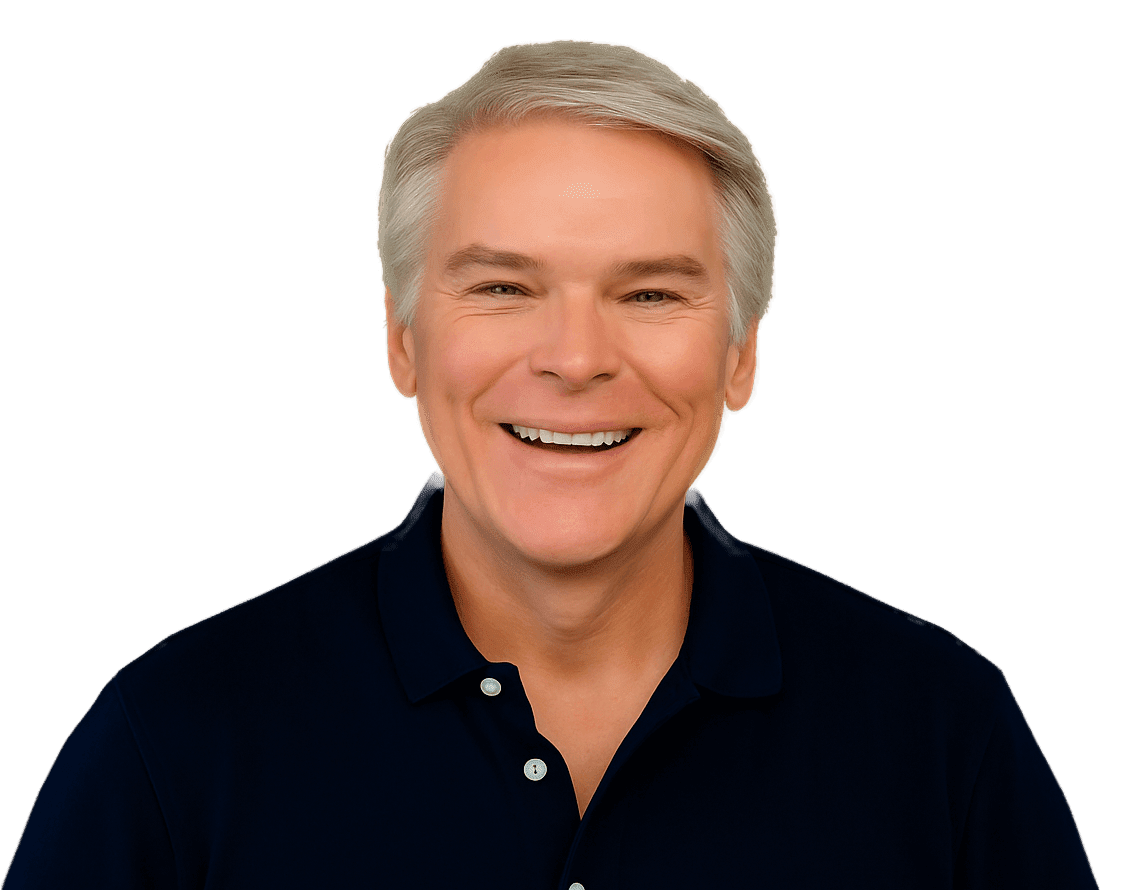
Seb Frey is a REALTOR® and founder of Team Sixty Plus, a curated network connecting older adults and their families with trusted professionals across California. With decades of experience helping homeowners 60+ navigate major life transitions—like downsizing, aging in place, or passing on a legacy—Seb brings deep market knowledge, a compassionate approach, and a commitment to simplifying complex decisions. When he’s not advising clients, he’s sharing expert insights on real estate, retirement strategies, and quality-of-life resources for the 60+ community.
Growing older often brings a new perspective on life. By the time many people reach their 60s, they have gained decades of experience, treasured memories, and a clearer understanding of what truly matters. Embracing change after 60 starts with understanding why it can feel so hard. At the same time, this stage of life often brings changes such as retirement, health concerns, family transitions, or financial adjustments that can feel unfamiliar. These shifts can naturally create uncertainty, even when they are expected or positive.
Fear is a normal response to change, regardless of age, and no one completely outgrows it. After 60, however, fear can quietly encourage people to stay within familiar routines, avoid new opportunities, or question whether they are still capable of learning, growing, or starting something new. While these feelings are understandable, they do not have to determine what the future looks like. Embracing change is not about ignoring challenges but about accepting that change is part of life and choosing to respond with openness instead of resistance.
Whether you are entering retirement, considering a move, adapting to changes in your health, or simply wondering what comes next, letting go of unnecessary fear can help you move forward with greater confidence. It means making thoughtful decisions, adjusting when needed, and remaining open to experiences that bring purpose, joy, and personal growth. Life after 60 is not simply about slowing down or looking back on the past. It can also be a meaningful time to discover new interests, strengthen relationships, and create a future that reflects who you are today.
Why Embracing Change After 60 Can Feel Harder
Change is rarely easy at any stage of life, but it can feel especially significant after 60 because it often affects routines and identities that have been built over many years. By this stage, many people have spent decades building careers, raising families, maintaining homes, or caring for others, and these roles often become part of how they see themselves. When those roles begin to change, it is natural to wonder what comes next. Even positive transitions can bring uncertainty simply because they require adjustment.
Retirement may offer greater freedom, but it can also raise questions about purpose and daily routine. Adult children may become more independent, homes may grow quieter, friends may relocate, and health needs may change over time. These life transitions can leave people feeling uncertain as they adapt to a different rhythm of life. Feeling unsettled during these changes is a normal part of adjusting to a new chapter.
Years of experience often make people more aware of potential risks, leading to a greater sense of caution. While thoughtful caution can help people make wise decisions, it is different from allowing fear to control every choice. Fear often suggests that staying exactly where we are is always the safest option, even when it limits personal growth or happiness. Recognizing that difference makes it easier to embrace change while still making careful, well-informed decisions.
As you adjust to new routines and changing priorities, Why a Growth Mindset Matters at Any Age offers practical insights into how adopting a more flexible outlook can make life’s transitions feel less overwhelming.
Understanding the Different Types of Fear
Not every fear looks the same. Some fears are obvious, while others quietly influence daily decisions without being fully recognized. Understanding these different forms of fear can make them easier to manage.
Some common fears after 60 include:
- Fear of losing independence
- Fear of declining health
- Fear of financial uncertainty
- Fear of loneliness
- Fear of technology
- Fear of looking foolish while learning something new
- Fear of making the wrong decision
- Fear of leaving familiar routines
- Fear of becoming a burden to others
- Fear of simply getting older
Many of these concerns have legitimate foundations. Planning for healthcare, finances, and housing is wise. However, fear becomes limiting when it prevents people from exploring reasonable opportunities or adapting to new circumstances. Recognizing fear without allowing it to control every choice is one of the most valuable skills anyone can develop.
We’re All In This Together
Accept That Change Has Always Been Part of Life
One helpful way to view change is to remember that life has always been filled with transitions. Every stage of life brings new opportunities, challenges, and uncertainties that require adjustment. While today’s changes may feel different, they are not the first you have faced. Looking at life through this perspective can make new situations feel more manageable.
Think about the many changes you have already navigated over the years. You may have started a new job, moved to a different city, raised a family, changed careers, cared for aging parents, or overcome unexpected setbacks. Each experience likely came with uncertainty, yet you found ways to adapt and move forward. Over time, many situations that once felt overwhelming eventually became a normal part of your life.
Remembering those experiences does not remove today’s challenges, but it can strengthen your confidence in facing them. Resilience is not something you suddenly need to develop, it has been built over decades of living through change. The patience, persistence, adaptability, and wisdom that helped you through earlier chapters are still with you today. Those same strengths can help you embrace whatever comes next.
Let Go of the Need to Have Everything Figured Out
Many people feel pressure to make the perfect decision, especially later in life. They may worry there is less time to recover from mistakes or that every choice carries greater consequences. While these concerns are understandable, expecting certainty before taking action can make it difficult to move forward. In reality, very few life decisions come with guaranteed outcomes.
Waiting until every answer is clear often leads to staying stuck instead of making progress. Rather than searching for the perfect choice, it is often more helpful to ask practical questions that encourage thoughtful action. Consider asking yourself:
- What seems most reasonable based on what I know today?
- What small step can I take now?
- What can I learn along the way?
- If circumstances change, how can I adapt?
Life continues to unfold, regardless of age, and flexibility is often more valuable than perfection. Giving yourself permission to make thoughtful decisions without having every answer creates opportunities for growth and learning. Every choice provides experience that can guide your next step, even if the outcome is different from what you expected. Progress comes from moving forward with confidence, not from waiting for certainty.
Focus on What You Can Control
Fear often becomes overwhelming because it encourages us to focus on everything that could go wrong. Many of those worries involve situations that are beyond anyone’s control, making them impossible to predict or prevent. Spending too much time on these uncertainties can increase stress without leading to meaningful solutions. Shifting your attention toward what you can influence is often a healthier and more productive approach.
Instead of worrying about uncertain outcomes, focus on practical actions you can take today. For example, you may not control future economic conditions, but you can review your financial plan and prepare for changes. You cannot guarantee perfect health, but you can stay active, eat nutritious foods, attend regular medical appointments, and maintain healthy habits. While you cannot prevent every life change, you can strengthen your ability to adapt and respond with confidence.
This shift in perspective does not ignore life’s uncertainties or pretend challenges do not exist. Instead, it encourages you to invest your energy where it can make the greatest difference. Focusing on what you can control helps reduce unnecessary worry while building resilience for whatever lies ahead. Over time, this mindset can make life’s changes feel more manageable and less intimidating.
Build Confidence Through Small Changes
Many people assume that embracing change requires making dramatic life decisions, but that is rarely the case. More often, confidence is built through small, consistent experiences that gradually expand your comfort zone. Simple changes may seem insignificant at first, but they often lay the foundation for greater personal growth. Over time, these small steps can make new challenges feel less intimidating.
Trying a new walking route, joining a community class, volunteering, learning a new technology skill, or starting a creative hobby may seem like modest changes. However, each new experience reinforces an important message: I can still learn and adapt. Every small success builds confidence and reminds you that growth is possible at any stage of life. These moments gradually replace fear with a stronger sense of capability.
Progress rarely happens overnight, and lasting change is usually the result of steady effort rather than dramatic leaps. As confidence grows, people begin to see change as something they can manage instead of something to avoid. Each small achievement makes it easier to take the next step, creating positive momentum over time. Consistently moving forward, even in small ways, often leads to the greatest long-term transformation.
Redefine What Growth Looks Like
Society often measures growth by career success or financial achievement, but after 60, growth often takes on a different meaning. Instead of focusing on traditional milestones, many people begin investing more time in their well-being, relationships, and personal interests. Growth may include becoming more patient, improving physical health, learning digital skills, traveling, volunteering, mentoring younger generations, or exploring creative passions that never fit into earlier stages of life. These experiences can bring a renewed sense of purpose while showing that learning and personal development continue throughout life.
Many people find that retirement creates more space for reflection, learning, and meaningful contribution than earlier decades ever allowed. Rather than asking whether you are still growing, consider asking how your growth is evolving. Every stage of life offers new opportunities to learn, contribute, and discover more about yourself. Embracing this broader view of personal growth can help make the years after 60 some of the most meaningful and rewarding yet.
Personal growth after retirement often comes from exploring new interests and meaningful activities. Creating a Fulfilling Lifestyle After Retirement shares practical ideas for building a life filled with purpose, connection, and enjoyment.
Learn to Become Comfortable Being a Beginner Again
One of the biggest barriers to embracing change is the discomfort of not immediately knowing what to do. After spending years becoming confident in careers, responsibilities, and daily routines, starting something new can feel awkward because it means becoming a beginner again. However, every skill begins with uncertainty, and feeling inexperienced is a normal part of learning rather than a sign of failure. Accepting this mindset makes it easier to approach new opportunities with confidence instead of hesitation.
Whether you are learning new technology, joining an exercise class, taking up painting, studying another language, or trying gardening, every new experience requires patience before confidence develops. Instead of seeing beginner status as something to avoid, view it as evidence that you are continuing to grow. Staying curious and willing to learn keeps the mind active while opening the door to new experiences and connections. Remaining teachable is one of the greatest strengths a person can have at any age.
Retirement Planning for Older Adults
Are you a little late to the retirement planning game? Get this comprehensive guide and get caught up!
Get the Guide!Surround Yourself With Positive Influences
The people around us have a powerful influence on how we view aging and respond to change. Some encourage growth by staying curious, active, and open to new experiences, while others may unintentionally reinforce the idea that certain opportunities are only for younger people. The conversations you hear regularly can shape your mindset more than you realize, so it is worth paying attention to the attitudes that surround you. Choosing supportive relationships can make embracing change feel more natural and achievable.
Surround yourself with people who encourage learning, share ideas, remain interested in the world, and approach aging with optimism and realism. Positive influences do not ignore life’s challenges or pretend everything is easy. Instead, they remind us that meaningful living, personal growth, and new opportunities remain possible at every stage of life. Being part of an encouraging community can help you face change with greater confidence and a more hopeful outlook.
Recognize That Asking for Help Is a Strength
Many people who have spent years caring for others find it difficult to ask for help themselves. Whether learning new technology, planning finances, adapting to health changes, or adjusting to retirement, seeking guidance can make these transitions easier and less stressful. No one is expected to have every answer, and asking for support is a practical way to learn and move forward. Accepting help can also reduce frustration while making challenges feel more manageable.
Asking for assistance does not mean giving up your independence. Instead, it can strengthen your ability to make informed decisions and build meaningful connections with family, friends, neighbors, or trusted professionals. True independence is not about doing everything alone but about knowing when collaboration can improve your quality of life. Being willing to accept support is a sign of wisdom, not weakness.
Let Go of Outdated Expectations
Sometimes fear comes from trying to meet expectations that no longer fit your current stage of life. You may feel pressure to maintain a home that has become difficult to manage, believe retirement should follow a certain path, or think that slowing down means giving up your ambitions. These expectations are often shaped by past generations or society rather than your own needs and priorities. Letting go of outdated ideas creates space to make choices that better reflect the life you want today.
Life after 60 looks different for everyone, and there is no single right way to age well. Some people continue working because they enjoy it, while others choose to volunteer, travel, care for grandchildren, start a business, pursue creative interests, or simply embrace a slower pace. Defining success on your own terms allows you to focus on what brings purpose and fulfillment rather than trying to meet someone else’s expectations. Giving yourself that freedom can make this stage of life more meaningful and rewarding.
Many people discover that simplifying their home also helps them embrace a new stage of life with greater freedom. 5 Smart Tips for Downsizing Without the Stress offers practical advice for making that transition with confidence and less anxiety.
Practice Gratitude Without Ignoring Reality
Gratitude is often misunderstood as pretending everything is perfect, but that is not what it means. Instead, gratitude is about recognizing what remains meaningful even while facing life’s challenges. During difficult seasons, there may still be supportive relationships, cherished memories, opportunities to learn, enjoyable hobbies, moments in nature, meaningful conversations, or simple daily routines that bring comfort. Focusing on these positive aspects helps create a more balanced perspective without ignoring reality.
Practicing gratitude does not erase problems or make challenges disappear. Rather, it reminds us that life is rarely defined by a single difficulty or setback. This balanced outlook can reduce unnecessary anxiety, strengthen emotional resilience, and make it easier to face change with hope and confidence. Over time, gratitude becomes less about circumstances and more about appreciating the good that continues to exist alongside life’s uncertainties.
Create a Vision for Your Next Chapter
One reason retirement or later life can feel uncertain is that people sometimes leave behind old goals without creating new ones. Having something meaningful to anticipate provides direction.
Your next chapter does not need to involve dramatic achievements. It might include:
- Visiting places you’ve always wanted to see
- Improving physical fitness
- Spending more time with grandchildren
- Volunteering in your community
- Learning photography
- Reading more books
- Joining local clubs
- Starting a small garden
- Writing family stories for future generations
- Exploring lifelong learning opportunities
Goals provide purpose, but they also create momentum. Having reasons to keep moving forward makes change feel less intimidating because it becomes connected to something personally meaningful. If you’re wondering how to bring more meaning into the years ahead, When Retirement Feels Too Small: How to Reclaim Purpose, Connection, and Joy explores thoughtful ways to build a fulfilling next chapter.
Family Guide for Aging in Place
For Families with Older Adults who are looking to help with a Parent with Aging in Place!
Get the GuideAccept That Courage Is Not the Absence of Fear
Many people assume that courageous individuals never feel afraid, but the opposite is often true. Courage is not the absence of fear, it is the willingness to acknowledge it while choosing to move forward because your values and goals matter more than your discomfort. Whether you are moving to a new community, learning new technology, or starting something unfamiliar, it is natural to feel uncertain. Those feelings do not mean you should stop or avoid taking the next step.
Confidence often develops after taking action rather than before it. Each experience that once seemed intimidating gradually becomes proof of your ability to adapt and grow. Every challenge you face successfully strengthens your belief that you can handle future changes as well. Over time, courage becomes less about feeling fearless and more about trusting yourself to keep moving forward despite uncertainty.
Give Yourself Permission to Change
Perhaps one of the most important lessons after 60 is recognizing that personal growth does not stop with age. Interests evolve, priorities shift, relationships deepen, dreams change, and values often become clearer through life’s experiences. As we move through different stages of life, it is natural for our goals and perspectives to change as well. Accepting these changes allows us to embrace each new chapter with greater confidence and purpose.
The person you are today may not want exactly the same life you imagined twenty years ago, and that is perfectly normal. Rather than holding tightly to expectations formed decades earlier, give yourself permission to grow into the person you are becoming. Every stage of life offers new opportunities to learn, contribute, and discover what brings meaning and fulfillment. Growth is not limited by birthdays, it continues for as long as we remain open to change.
Conclusion
Life after 60 is often described in terms of endings, but it is equally a season of beginnings. While certain chapters naturally come to a close, new opportunities continue to appear for those who remain open to learning, connecting, and adapting. Fear may still appear from time to time, but it does not have to become the author of your future. Every thoughtful decision, every new experience, and every small act of courage helps build confidence for whatever comes next.
Embracing change does not require extraordinary bravery or dramatic reinvention. More often, it grows from simple daily choices: trying something unfamiliar, asking for help when needed, letting go of outdated expectations, and focusing on what truly matters. These steady, realistic actions gradually create a life that feels purposeful, balanced, and rewarding.
The years ahead may look different from those that came before, but different does not mean lesser. With the wisdom gained through experience, the resilience built over decades, and a willingness to remain curious, life after 60 can continue to offer meaningful relationships, personal growth, new adventures, and moments of genuine fulfillment. Sometimes the first step toward embracing change is simply believing that another good chapter is still waiting to be written.
