
Seb Frey is a REALTOR® and founder of Team Sixty Plus, a curated network connecting older adults and their families with trusted professionals across California. With decades of experience helping homeowners 60+ navigate major life transitions—like downsizing, aging in place, or passing on a legacy—Seb brings deep market knowledge, a compassionate approach, and a commitment to simplifying complex decisions. When he’s not advising clients, he’s sharing expert insights on real estate, retirement strategies, and quality-of-life resources for the 60+ community.
Retirement is often described as a time of freedom. After decades of schedules, deadlines, commutes, and responsibilities, many people look forward to having more control over their time. For some, that freedom feels exciting and refreshing. For others, it can feel surprisingly disorienting. That is why building a healthy routine in retirement can matter more than most people expect.
One of the biggest changes retirement brings is the loss of structure. Work naturally creates a framework for daily life. Even when jobs are stressful, they still provide routines, expectations, social interaction, and a reason to get moving each day. Once that structure disappears, many retirees find themselves asking an unexpected question: “What does a good day look like now?”
This is where routine becomes important. Not rigid schedules or overly planned days, but gentle structure that creates stability, purpose, and rhythm. A healthy routine can help retirees stay physically active, mentally engaged, socially connected, and emotionally balanced. It can also make daily life feel calmer and more meaningful.
The good news is that building structure in retirement does not require perfection. It does not mean every hour must be planned or productive. In fact, one of the greatest benefits of retirement is finally having the flexibility to create routines that truly support your well-being instead of simply serving obligations. The goal is not to fill every moment. The goal is to create a life that feels steady, intentional, and personally fulfilling.
Why a Routine in Retirement Still Matters
Many people assume retirement automatically leads to relaxation and happiness. While retirement certainly can bring relief and freedom, the transition is not always as simple as people expect. Daily routines often disappear overnight, and that sudden shift can affect both emotional and physical health.
Work provides more than income. It also creates momentum. People wake up at certain times, interact with others regularly, complete tasks, and move through a predictable rhythm each day. Even simple routines like commuting, taking lunch breaks, or preparing for meetings create a sense of order.
Without that built-in structure, days can begin to blur together. Some retirees initially enjoy the freedom of sleeping in, watching television, or taking things slowly. But over time, too much unstructured time can lead to boredom, isolation, inactivity, or a lingering sense of aimlessness. This is especially true for people whose identities were strongly connected to their careers or caregiving roles.
Structure helps provide direction. It creates anchors throughout the day that support physical health, emotional stability, and mental clarity. A routine also reduces decision fatigue. When certain healthy habits become part of daily life, people spend less energy trying to decide what to do next and more energy actually enjoying their time.
Importantly, routines do not remove freedom. In many ways, they protect it. A thoughtful routine creates balance between rest, productivity, social connection, and personal enjoyment. It helps retirees avoid drifting into habits that may feel comfortable in the short term but unhealthy over time.
Readers exploring ways to create a more meaningful and balanced retirement lifestyle may also appreciate Creating a Fulfilling Lifestyle After Retirement, which shares practical ideas for building purpose, enjoyment, and stability during this stage of life.
The Emotional Adjustment of Retirement
Retirement is not only a financial transition. It is also an emotional and psychological one. Even people who eagerly anticipate retirement can feel unsettled after the initial excitement fades.
For many adults, work provided identity and purpose for decades. Careers often shaped schedules, friendships, goals, and self-worth. When that role ends, retirees sometimes experience feelings they did not expect, including loneliness, uncertainty, or loss of direction.
This adjustment can happen gradually. Some people notice they feel less motivated to get dressed in the morning or struggle to stay engaged throughout the day. Others may miss workplace conversations, teamwork, or simply the feeling of being needed. These reactions are normal and more common than many people realize.
A healthy routine can ease this transition because it helps replace the sense of rhythm that work once provided. It creates a new foundation for daily life and reminds retirees that purpose still exists beyond employment.
Purpose in retirement may look different than it did during working years. It may involve volunteering, spending time with grandchildren, gardening, exercising, learning new skills, creating art, traveling, or supporting a local community. The activities themselves matter less than the feeling of engagement and meaning they provide.
Routine also helps protect emotional well-being during periods of uncertainty. On difficult days, structure offers stability. Even small habits like morning walks, reading time, or weekly coffee with friends can create comfort and consistency.

got
questions?
Starting the Day With Intention
One of the most powerful parts of any routine is the beginning of the day. Mornings often shape the tone for everything that follows. Without a reason to wake up at a certain time, retirees can easily slip into irregular sleep habits or passive routines that leave them feeling sluggish.
Creating a simple morning routine does not need to be complicated. In fact, consistency matters more than complexity. Waking up around the same time each day helps regulate sleep patterns and energy levels. It also creates a sense of momentum that encourages activity and engagement.
Many retirees find it helpful to begin the day slowly but intentionally. This could include:
- Opening the curtains and getting natural light
- Stretching or taking a short walk
- Drinking water before coffee
- Reading something uplifting or informative
- Spending quiet time reflecting or journaling
- Enjoying breakfast without rushing
The goal is not productivity for productivity’s sake. The goal is creating a calm and steady transition into the day. Small routines can help people feel grounded instead of drifting through the morning without direction.
Physical movement is especially important. Retirement can unintentionally lead to increased sitting and inactivity, particularly if someone no longer has a commute or physically demanding job. Even light activity in the morning can improve mood, circulation, and energy levels.
Starting the day with intention also encourages retirees to think about what they want from this stage of life. Rather than reacting passively to time, routines help people actively shape how they spend it.
The Importance of Physical Activity in Daily Routines
One of the healthiest routines retirees can build is regular physical movement. Exercise supports strength, balance, mobility, heart health, and cognitive function, but its benefits go beyond physical wellness. Movement also helps improve mood, reduce stress, and create structure throughout the week.
Many people think exercise must involve intense workouts or gym memberships, but retirement routines work best when activities feel realistic and sustainable. Consistency matters far more than intensity. Walking is one of the simplest and most effective habits retirees can adopt. A daily walk provides exercise, fresh air, and an opportunity to clear the mind. Some people enjoy walking alone for quiet reflection, while others prefer walking groups for social connection.
Other gentle forms of movement may include:
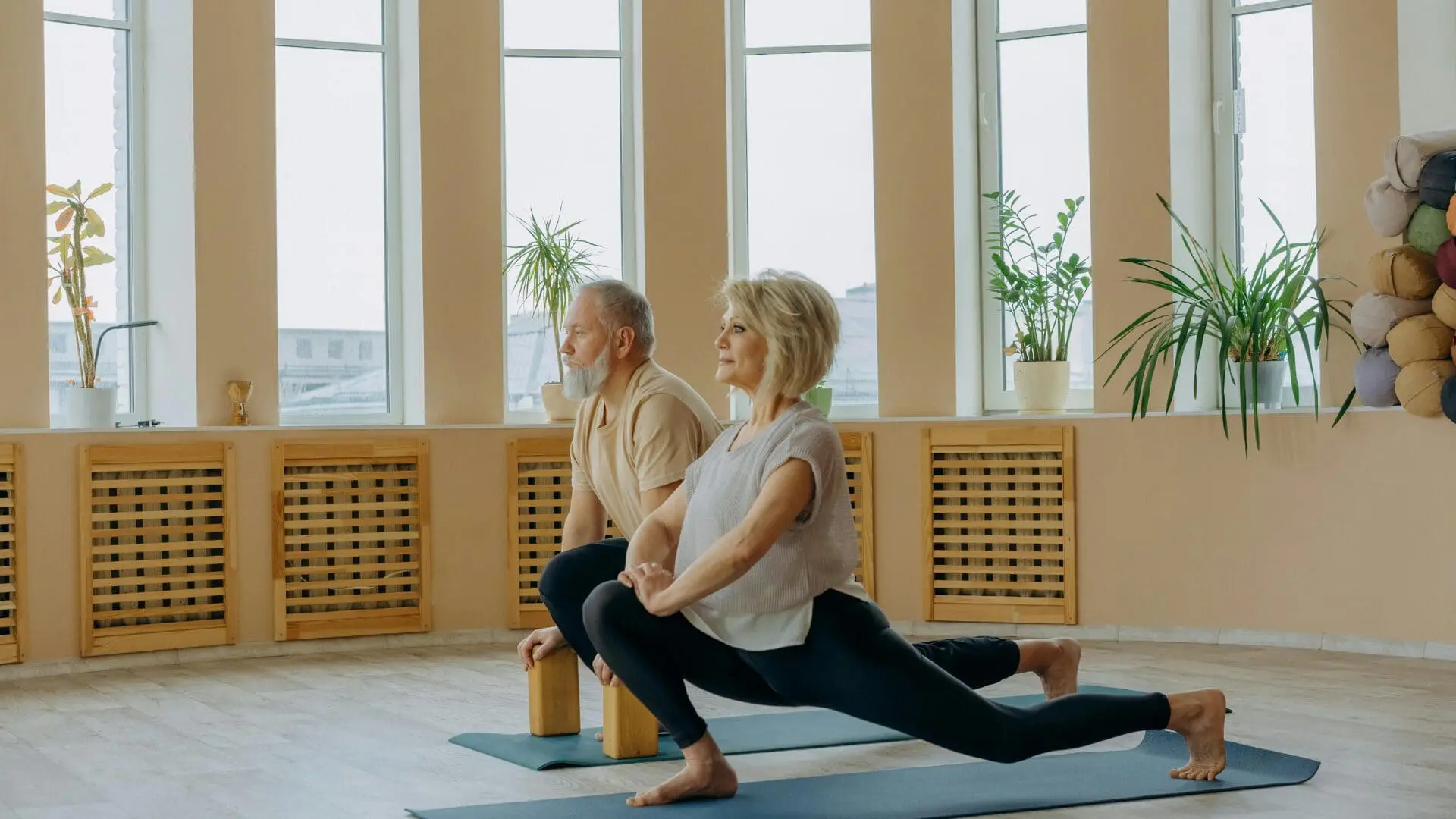
- Stretching or yoga
- Swimming
- Gardening
- Dancing
- Tai chi
- Light strength training
- Cycling
- Water aerobics
Physical routines are particularly important because inactivity can gradually increase after retirement without people noticing. Work often included natural movement throughout the day, even if it did not feel like exercise. Once retired, many adults spend longer periods sitting at home, driving less, or avoiding activity during colder months.
Adding movement into daily routines also creates a sense of accomplishment. Small wins matter. Completing a walk, attending a fitness class, or stretching each morning can create positive momentum that carries into the rest of the day. Importantly, routines should remain flexible enough to match changing energy levels and health conditions. Retirement is not about pushing the body beyond its limits. It is about supporting long-term health in a balanced and sustainable way.
For retirees looking for sustainable ways to stay active, The Best Low-Impact Exercises for Adults Over 60 provides practical movement ideas that support strength, mobility, and long-term health without overwhelming the body.
Staying Mentally Engaged
A strong retirement routine should also include activities that keep the mind active and engaged. Mental stimulation supports cognitive health, memory, focus, and emotional well-being. It also helps retirees continue growing and learning instead of feeling stagnant.
One of the great advantages of retirement is finally having time to explore interests that may have been postponed during busy working years. Many retirees rediscover hobbies they once loved or develop entirely new skills.
Mental engagement can come from many different activities, including:
- Reading books or articles
- Learning a language
- Taking online or community classes
- Playing music
- Doing puzzles or strategy games
- Writing or journaling
- Cooking new recipes
- Exploring history, art, or science topics
- Joining discussion groups or clubs
Learning does not stop with age. In many ways, retirement creates space for curiosity and creativity that busy schedules once limited. Routine plays an important role here because mental engagement often requires intention. Without structure, it becomes easy to spend long hours passively watching television or scrolling online. While relaxation is important, too much passive entertainment can leave people feeling mentally dull or disconnected over time.
Adding mentally stimulating activities into weekly routines creates balance. It reminds retirees that growth and discovery remain possible throughout life.
Continuing to learn and stay curious can play a major role in healthy aging, which is why How Lifelong Learning Keeps Your Brain Sharp After 60 is a valuable resource for retirees looking to stay mentally active and engaged.
We’re All In This Together
Building Social Connection Into Retirement
One of the biggest risks during retirement is social isolation. Work naturally provides interaction with coworkers, customers, clients, or teams. Once those relationships become less frequent, some retirees realize their social circles have become smaller than expected.
Maintaining social connection is essential for emotional and physical health. Research consistently shows that loneliness can affect stress levels, sleep quality, cognitive health, and overall well-being. Unfortunately, friendships often require more intentional effort in retirement. People may move away, travel frequently, or develop different schedules. Without regular routines, social interaction can slowly decrease.
This is why many retirees benefit from building social habits directly into their routines. These routines do not need to be elaborate. Small, consistent interactions can make a meaningful difference.
Examples might include:
- Weekly lunches with friends
- Morning walks with neighbors
- Volunteer activities
- Faith community involvement
- Hobby groups or classes
- Family dinners
- Phone calls with loved ones
- Community center programs
Social routines provide something important to look forward to. They also create accountability and encourage people to stay active and engaged with the world around them. Importantly, retirees should not wait for others to initiate connection. Building structure sometimes means taking small social risks and creating opportunities instead of waiting for them to appear naturally.
Many retirees discover that meaningful relationships become even more important with age, and When Retirement Feels Too Small: How to Reclaim Purpose, Connection, and Joy explores practical ways to rebuild connection and rediscover fulfillment after leaving the workforce.
Balancing Productivity and Rest
One challenge many retirees face is finding the right balance between staying active and allowing time for rest. Some people feel pressure to remain constantly productive, while others drift into excessive inactivity. Healthy routines help create balance between the two.
Retirement should include rest. After decades of responsibilities and obligations, slowing down can be healthy and necessary. Rest allows people to recover physically and emotionally. It creates space for reflection, enjoyment, and peace. At the same time, endless free time without direction can become emotionally draining. Many retirees feel better when their days include a mix of meaningful activity and relaxation.
A balanced routine might include:
- Physical movement
- Household responsibilities
- Creative or intellectual hobbies
- Social interaction
- Quiet personal time
- Recreation and entertainment
- Volunteer work or caregiving
- Time outdoors
The goal is not to stay busy simply to avoid stillness. Instead, routines should support a sense of rhythm that feels personally satisfying. Retirement routines also do not need to look the same every day. Some people prefer consistent schedules, while others enjoy more flexibility. The important thing is having enough structure to support well-being without creating unnecessary pressure.
Creating Purpose Beyond Work
Purpose is one of the most important parts of healthy aging. Retirement often creates an opportunity to redefine purpose in more personal and meaningful ways. During working years, purpose is frequently connected to careers, raising families, or financial responsibilities. Retirement invites people to ask deeper questions about how they want to spend their time and energy moving forward.
Purpose does not need to be grand or dramatic. In many cases, purpose grows from ordinary daily activities and relationships. Helping others, caring for loved ones, creating things, sharing wisdom, or contributing to a community can all provide meaning.
Routines help support purpose because they transform intentions into regular habits. Someone who values creativity may build writing or painting into their weekly schedule. Someone who values helping others may volunteer regularly. Someone focused on health may prioritize exercise and meal preparation.
Purpose also evolves over time. Retirement is not one fixed stage. Interests, priorities, and energy levels may shift throughout the years. Healthy routines remain flexible enough to grow alongside those changes. Importantly, purpose should feel personal rather than performative. Retirement is not about proving productivity to others. It is about creating a life that feels meaningful to the individual living it.
Retirement often opens the door to deeper reflection and personal growth, and Living Your Best Life After 60 Through Gerotranscendence offers an insightful perspective on finding meaning, wisdom, and purpose during later life.
Retirement Planning for Older Adults
Are you a little late to the retirement planning game? Get this comprehensive guide and get caught up!
Get the Guide!Avoiding Common Routine Pitfalls
While routines can be helpful, it is also important to avoid turning them into rigid rules. Healthy structure supports well-being without becoming restrictive or stressful. One common mistake is over-scheduling retirement. Some retirees fill every hour with obligations, appointments, or activities because they fear slowing down. Over time, this can create unnecessary stress and exhaustion.
Another challenge is becoming too isolated within routines. Staying home every day may feel comfortable initially, but isolation can quietly affect mood and motivation over time. Including occasional social interaction and outside activities helps maintain balance.
Perfectionism can also interfere with healthy routines. Missing a workout, sleeping in, or having an unproductive day does not mean a routine has failed. Retirement should allow flexibility and self-compassion. It is also important to adapt routines when life changes. Health conditions, caregiving responsibilities, relocations, or personal losses may require adjustments. Good routines evolve alongside real life rather than fighting against it.
The healthiest routines are supportive, realistic, and sustainable. They provide guidance without becoming rigid systems that create guilt or pressure.
Simple Ways to Start Building Structure
For retirees who feel overwhelmed by too much unstructured time, small changes often work better than dramatic lifestyle overhauls. Building structure gradually allows routines to feel natural and manageable.
One helpful starting point is identifying anchor points in the day. These are activities that happen consistently and help organize time around them.
Examples include:
- Waking up at a regular time
- Morning coffee or breakfast
- Daily walks
- Lunch with friends once a week
- Evening reading time
- Weekly volunteer commitments
- Exercise classes
- Family phone calls
From there, retirees can slowly build additional habits that support their goals and interests. It can also help to think about different areas of well-being, including physical health, mental engagement, relationships, creativity, and relaxation. A balanced routine often includes small habits from each area rather than focusing too heavily on only one.
Importantly, routines should reflect personal preferences. Some people enjoy quiet mornings and slow afternoons. Others prefer active schedules filled with hobbies and social events. There is no universal retirement routine that works for everyone. The best structure is the one that helps a person feel healthier, calmer, more connected, and more fulfilled.
Small routines can create a strong foundation for healthier aging, and Hobbies That Enrich Your Life After 60 shares simple yet meaningful activities that help retirees stay engaged, creative, and fulfilled.
Conclusion
Retirement changes the rhythm of life in significant ways. While the freedom can feel refreshing, the loss of structure can also leave people feeling uncertain or disconnected. This is why routines matter so much during this stage of life. Healthy routines provide stability without removing freedom. They support physical health, emotional well-being, social connection, and a sense of purpose. They also help retirees move through their days with greater intention and balance.
Importantly, routines do not need to be complicated or perfect. Small daily habits often have the greatest long-term impact. A regular walk, meaningful conversation, quiet morning ritual, or creative hobby can gradually shape a more fulfilling retirement experience.
Retirement is not simply about stopping work. It is about learning how to build a new rhythm for life. Thoughtful routines can help make that transition feel steadier, healthier, and more meaningful over time.
