

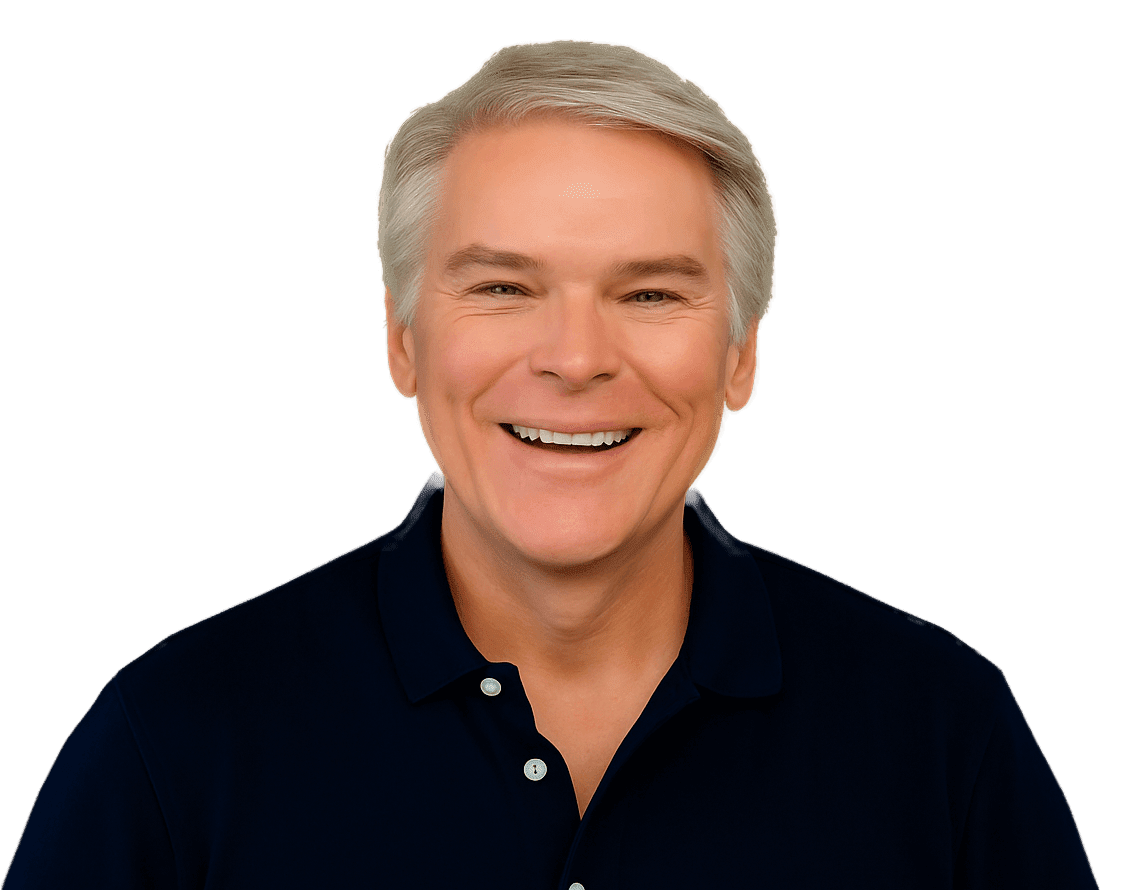
Seb Frey is a REALTOR® and founder of Team Sixty Plus, a curated network connecting older adults and their families with trusted professionals across California. With decades of experience helping homeowners 60+ navigate major life transitions—like downsizing, aging in place, or passing on a legacy—Seb brings deep market knowledge, a compassionate approach, and a commitment to simplifying complex decisions. When he’s not advising clients, he’s sharing expert insights on real estate, retirement strategies, and quality-of-life resources for the 60+ community.
Retirement looks different for everyone. For some people, it is a time to travel, spend more time with family, or finally enjoy hobbies that were difficult to prioritize during busy working years. For others, retirement also brings practical financial questions. Rising living costs, healthcare expenses, and longer life expectancy have made many older adults think carefully about how to maintain financial stability over time.
This is one reason the idea of passive income has become increasingly important. Passive income simply means earning money from sources that do not require constant daily work. While no income source is completely effortless, passive income can help create additional financial flexibility, reduce stress, and provide a greater sense of security during retirement.
The good news is that passive income opportunities are not limited to wealthy investors or business owners. Many older adults already have valuable skills, assets, life experience, or savings that can be used in thoughtful and manageable ways. The key is choosing approaches that fit your goals, comfort level, health, energy, and lifestyle.
In this article, we will explore practical ways to generate passive income during your golden years, along with important considerations to help you make informed decisions without taking unnecessary risks.
Understanding What Passive Income Really Means
One of the biggest misunderstandings about passive income is the belief that it is completely effortless. In reality, most passive income streams require some type of upfront investment. That investment could involve money, time, experience, or preparation.
For example, rental income may require managing a property or coordinating repairs. Dividend investments require careful financial planning and ongoing monitoring. Selling digital products online may involve setting up systems and learning new technology before income begins to arrive consistently.
This does not mean passive income is unrealistic. It simply means it is important to approach the idea with realistic expectations. Many successful passive income streams become easier to maintain over time, especially once systems are established and routines are in place.
For retirees, the best passive income opportunities are often the ones that are steady, manageable, and aligned with personal strengths. The goal is not to create another full-time job. Instead, the goal is to create additional financial support that fits comfortably into daily life.
If you are still exploring retirement finances more broadly, Creating a Financial Plan After 60: Where to Start offers a helpful foundation for understanding how income streams, savings, and long-term financial goals can work together during retirement.
Retirement Planning for Older Adults
Are you a little late to the retirement planning game? Get this comprehensive guide and get caught up!
Get the Guide!Why Passive Income Matters More in Retirement
For many people, retirement income traditionally came from pensions, Social Security benefits, and personal savings. While these sources still play an important role, economic changes have made retirement planning more complicated than it was for previous generations.
Healthcare costs continue to rise. Inflation affects everyday expenses such as groceries, utilities, and transportation. People are also living longer, which means retirement savings may need to last decades rather than just a few years.
Passive income can help provide additional breathing room. Even a modest extra income stream can reduce pressure on retirement savings and create more flexibility for unexpected expenses. Some retirees use passive income to cover travel, hobbies, or gifts for family members. Others simply appreciate the peace of mind that comes from having more than one source of income.
There is also an emotional benefit that many people do not talk about enough. Creating passive income can provide a sense of purpose and engagement. Many older adults enjoy staying mentally active, learning new things, or continuing to contribute their knowledge and experience in meaningful ways.
Many retirees also find it helpful to review How Much Do You Really Need to Retire Comfortably? for a clearer picture of how additional income streams can support both everyday expenses and long-term financial stability.
Dividend Stocks and Income Investments
One of the most common passive income strategies for retirees involves dividend-paying stocks and income-focused investments. Certain companies distribute a portion of their profits to shareholders through regular dividend payments, which can provide a steady source of income over time.
For retirees who already have investment accounts or retirement savings, dividend investing may feel familiar and manageable. Many well-established companies have long histories of paying reliable dividends, particularly in industries such as utilities, healthcare, consumer goods, and telecommunications.
However, it is important to approach investing carefully and thoughtfully. Higher dividend yields are not always safer. Sometimes unusually high yields can indicate financial instability within a company. Diversification remains important, especially during retirement when protecting savings often becomes a priority.
Many retirees choose to work with a trusted financial advisor to build a balanced income portfolio that matches their risk tolerance and long-term goals. Others prefer low-cost index funds or exchange-traded funds that focus on dividend-paying companies.
The most important thing is avoiding rushed decisions or investments that promise unrealistic returns. Slow and steady growth is often more sustainable and less stressful in retirement.
Readers interested in more conservative approaches to growing retirement savings may also appreciate Low-Risk Investment Strategies for Retirement, which explores balanced ways to generate income while protecting long-term financial security.
Rental Properties and Real Estate Income
Real estate has long been considered a popular source of passive income. For retirees who already own property, rental income can provide consistent monthly cash flow while the property itself may continue to appreciate in value over time.
Some older adults rent out a second home, a vacation property, or even a portion of their primary residence. Others downsize to a smaller home and use the remaining equity to invest in income-producing property.
That said, rental property ownership is not completely passive. Maintenance issues, tenant communication, property taxes, insurance, and occasional vacancies all require attention. Some retirees enjoy this level of involvement, while others find it stressful or physically demanding.
Property management companies can help reduce day-to-day responsibilities, although management fees will reduce overall profits. This option may still be worthwhile for retirees who prefer a more hands-off approach.
Before purchasing rental property, it is wise to carefully evaluate local housing markets, long-term maintenance costs, and personal energy levels. A rental property that becomes emotionally or financially overwhelming may create more stress than benefit.
For some retirees, simpler real estate investments such as Real Estate Investment Trusts (REITs) may offer an alternative way to earn income from real estate without directly managing property.
Turning Knowledge and Experience Into Income
One of the most overlooked retirement assets is personal experience. Older adults often possess decades of professional knowledge, practical skills, and life wisdom that younger generations genuinely value.
In today’s digital world, it has become easier than ever to turn that knowledge into income streams that continue generating revenue over time. Some retirees create online courses, write eBooks, record educational videos, or offer downloadable guides related to their areas of expertise.
A retired teacher might create educational resources for parents or homeschool families. A former accountant might write simple budgeting guides for retirees. Someone with gardening experience could create instructional videos or printable planting calendars. These projects usually require upfront work, but once completed, they may continue generating income for months or years with relatively minimal ongoing effort.
The process does not need to be highly technical or polished. Many people are simply looking for trustworthy, practical information from someone with real experience. Authenticity and clarity often matter more than perfection.
For retirees who enjoy writing, teaching, or mentoring, this type of passive income can feel especially meaningful because it allows them to continue helping others while also supporting their own financial goals.
Creating Digital Products
Digital products have become increasingly popular because they can often be sold repeatedly without needing physical inventory or shipping. This makes them attractive for retirees who want flexible income opportunities that can be managed from home.
Examples of digital products include:
- Printable planners
- Budget templates
- Meal planning guides
- Craft patterns
- Photography presets
- Educational worksheets
- Checklists and organizers
- Recipe collections
- Journals and trackers
Many retirees already have hobbies or interests that naturally lend themselves to digital products. Someone who enjoys sewing might sell patterns. A retired travel enthusiast could create travel planning templates. A former office manager may design organization systems or spreadsheets.
Platforms like Etsy and personal websites have made it easier for beginners to sell digital products without needing advanced technical skills. While building steady sales often takes time, digital products can eventually create ongoing income with relatively low maintenance.
It is important to remember that success usually comes gradually. Building trust, learning customer preferences, and improving products over time are often more important than trying to grow too quickly.

got
questions?
Peer-to-Peer Lending and Fixed-Income Options
Some retirees prefer passive income strategies that feel more stable and predictable than stocks or entrepreneurial ventures. Fixed-income investments, bonds, certificates of deposit, and peer-to-peer lending platforms may appeal to people who prioritize consistency and lower risk.
Certificates of deposit, often called CDs, offer fixed interest rates over specific time periods. While returns may not be extremely high, they can provide dependable income and preserve capital. Government bonds and treasury securities are another conservative option that many retirees consider. These investments generally offer lower risk, although returns can vary depending on interest rates and market conditions.
Peer-to-peer lending platforms allow individuals to lend money directly to borrowers in exchange for interest payments. While these platforms can sometimes offer higher returns, they also carry additional risk because borrowers may default on payments.
As with any financial strategy, understanding risk is essential. Retirees should avoid placing too much money into unfamiliar investments without fully understanding how they work.
Royalties and Creative Income Streams
Creative work can also become a meaningful source of passive income later in life. Many retirees rediscover artistic interests during retirement or finally have time to pursue creative projects they postponed during their working years.
Books, photography, music, art, and other creative works may generate royalty income over time. Self-publishing platforms now allow writers to publish books without traditional publishing companies. Photographers can license images through stock photography websites. Musicians may earn streaming royalties from recorded music.
Creative passive income usually grows slowly, and earnings can vary widely. However, for people who genuinely enjoy creative work, the process itself often feels rewarding regardless of financial outcomes.
This type of income stream can also provide emotional fulfillment alongside financial benefits. Retirement does not have to mean stepping away from creativity or personal growth. In many cases, it becomes an opportunity to explore those interests more deeply.
Downsizing and Simplifying Expenses
Sometimes the most effective financial strategy is not increasing income, but reducing unnecessary expenses. Downsizing to a smaller home, relocating to a lower-cost area, or simplifying lifestyle expenses can create financial flexibility that feels similar to earning additional income. Many retirees discover that maintaining large homes becomes physically exhausting and financially inefficient over time. Property taxes, insurance, utilities, and maintenance costs can quietly consume large portions of retirement income.
Moving to a smaller home or retirement-friendly community may lower monthly expenses while also reducing stress and upkeep responsibilities. Some retirees use the equity from selling a larger home to invest in income-producing assets that better support their retirement goals. Simplifying expenses does not mean sacrificing quality of life. In many cases, people find that reducing financial obligations creates more freedom and peace of mind.
Some retirees discover that reducing expenses can feel just as valuable as increasing income, which is why 5 Smart Tips for Downsizing Without the Stress can be a helpful companion resource during this stage of life.
Being Careful With “Too Good to Be True” Opportunities
Unfortunately, older adults are often targeted by scams and unrealistic investment schemes. Promises of guaranteed returns, quick wealth, or completely effortless passive income should always be approached with caution.
Retirement savings represent years of hard work and careful planning. Protecting those savings is just as important as growing them. Before investing money into unfamiliar opportunities, it is wise to research thoroughly, ask questions, and consult trusted professionals when needed.
Some warning signs include:
- Pressure to act quickly
- Guaranteed high returns
- Complex explanations that are difficult to understand
- Requests for large upfront payments
- Lack of transparency
- Unregistered investment products
Legitimate passive income opportunities generally involve patience, steady growth, and realistic expectations. Sustainable financial security rarely happens overnight.

Time to Downsize?
Discover the joy of letting go! Our guide to Downsizing helps you downsize with ease.
Choosing the Right Passive Income Strategy for You
Not every passive income idea is suitable for every retiree. Personal health, financial resources, personality, energy level, and comfort with technology all play important roles in determining what makes sense.
Some people prefer low-maintenance investments because they value simplicity and stability. Others enjoy creative projects or small business ventures that keep them mentally active and socially engaged.
It can be helpful to ask yourself a few practical questions before choosing a direction:
- How much time and energy do I realistically want to invest?
- Am I comfortable with financial risk?
- Do I prefer predictable income or growth potential?
- Do I enjoy learning new technology or systems?
- Do I want something completely hands-off or mildly engaging?
- What existing skills or experiences could I build upon?
There is no single correct answer. The best passive income strategy is usually the one that supports both financial needs and personal well-being.
The Emotional Side of Financial Independence
Money discussions during retirement often focus heavily on numbers, but emotional well-being matters too. Financial stress can affect sleep, relationships, and overall quality of life. On the other hand, even modest additional income can create a greater sense of control and confidence.
Many retirees appreciate the reassurance that comes from knowing they have multiple income sources rather than relying entirely on savings alone. Passive income may also help older adults maintain independence longer by covering household expenses, healthcare costs, or lifestyle needs without placing pressure on family members.
At the same time, balance is important. Retirement should not become another phase of constant hustle or pressure to maximize productivity. Passive income works best when it supports a meaningful and sustainable lifestyle rather than becoming a source of exhaustion or anxiety.
In many ways, the goal is not simply earning more money. The deeper goal is creating stability, flexibility, and peace of mind during a stage of life that deserves thoughtful enjoyment.
Conclusion
Generating passive income during your golden years is not about chasing quick wealth or trying to recreate a full-time career. It is about building additional layers of financial support in ways that feel realistic, manageable, and aligned with your personal goals.
For some retirees, passive income may come from investments or rental properties. For others, it may grow from creative work, digital products, or sharing valuable life experience with others. Even small additional income streams can make a meaningful difference over time.
The most important approach is staying thoughtful and patient. Retirement is a major life transition, and financial decisions made during this stage deserve careful consideration. There is value in moving slowly, asking questions, and choosing opportunities that support both financial stability and personal well-being.
Ultimately, passive income should serve your life, not consume it. The best retirement years are often the ones that balance financial security with health, purpose, relationships, and peace of mind. By approaching passive income thoughtfully, many older adults can create greater flexibility and confidence while continuing to enjoy the years ahead with intention and clarity.
