
Seb Frey is a REALTOR® and founder of Team Sixty Plus, a curated network connecting older adults and their families with trusted professionals across California. With decades of experience helping homeowners 60+ navigate major life transitions—like downsizing, aging in place, or passing on a legacy—Seb brings deep market knowledge, a compassionate approach, and a commitment to simplifying complex decisions. When he’s not advising clients, he’s sharing expert insights on real estate, retirement strategies, and quality-of-life resources for the 60+ community.
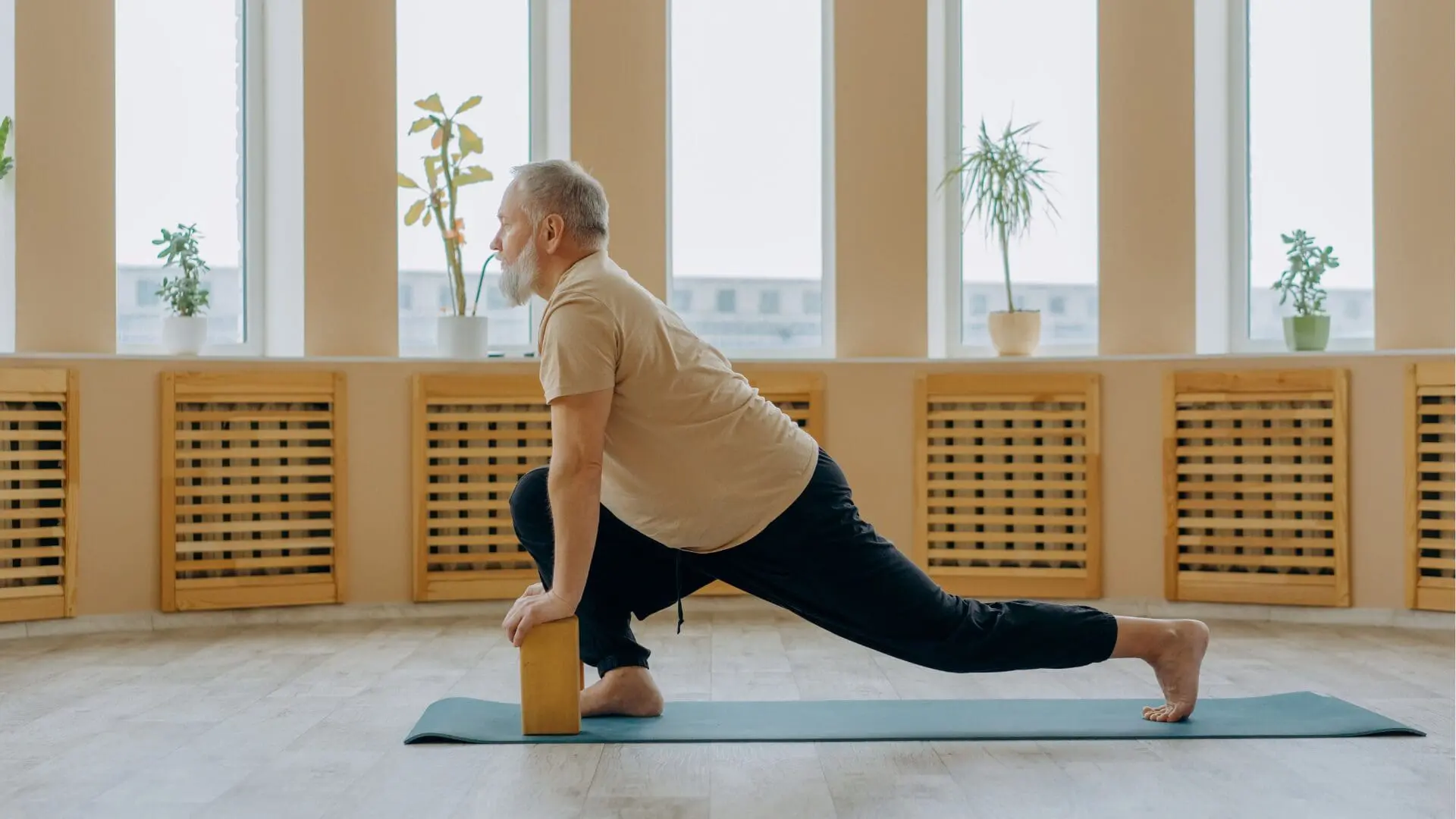
As we grow older, staying active becomes less about pushing ourselves to reach new fitness milestones and more about maintaining the freedom to enjoy everyday life. Simple activities like walking across the living room, reaching for something on a high shelf, getting out of a chair, or bending down to tie a shoe all depend on good balance and flexibility. These abilities often change gradually over time, making it easy to overlook small differences until they begin affecting daily routines.
The encouraging news is that improving balance and flexibility does not require expensive equipment, a gym membership, or intense exercise sessions. In fact, some of the most effective movements can be done comfortably at home with only a sturdy chair, enough space to move safely, and a few minutes each day. Small, consistent efforts often produce better long-term results than occasional strenuous workouts.
Why Balance and Flexibility Matter More Than Strength Alone
When people think about fitness, they often picture strength training or cardiovascular exercise. While both are valuable, balance and flexibility deserve just as much attention, especially as we age. Strong muscles are helpful, but they work best when joints can move comfortably and the body can respond quickly to changes in position.
Balance involves much more than standing on one foot. It depends on your muscles, joints, vision, inner ear, and nervous system all working together. As people get older, these systems naturally change, making balance exercises increasingly important. Practicing balance regularly helps train the body to react more effectively during everyday movements.
Flexibility is equally valuable because it allows your muscles and joints to move through a comfortable range of motion. Tight muscles can make ordinary tasks feel harder than they should. Reaching overhead, turning to look behind while driving, climbing stairs, or getting out of bed all become easier when your body remains flexible.
Perhaps most importantly, balance and flexibility work together. Flexible muscles allow smoother movement, while good balance helps control those movements safely. Improving both at the same time creates a strong foundation for staying active and independent.
Guide Your Aging Parents Through Their Later Years
Download our plain-spoken guide to helping your aging parents manage care, finances, the long-time family home, and estate.
Get the Guide!The Benefits of Home Workouts
Many people assume they need a fitness center to exercise effectively, but home workouts offer several advantages, especially for older adults. Exercising at home removes barriers like travel time, crowded facilities, or worrying about keeping up with others. Working out at home also allows you to move at your own pace. You can pause whenever needed, repeat exercises that feel helpful, or modify movements based on your comfort level. This creates a more relaxed environment where consistency becomes easier to maintain.
Another advantage is convenience. Even a 15- to 20-minute routine completed several times a week can produce meaningful improvements over time. Because home workouts fit more naturally into daily life, people are often more likely to continue them. Most importantly, exercising in familiar surroundings helps build confidence. As movements become easier inside the home, many people notice they also feel steadier while shopping, walking outdoors, climbing stairs, or participating in social activities.
If your goal is to stay active without putting unnecessary stress on your joints, pairing these routines with other gentle movement ideas can be even more effective. You may also enjoy The Best Low-Impact Exercises for Adults Over 60, which explores additional ways to build strength and mobility while protecting your body.
Safety Tips Before You Begin
Before starting any exercise routine, it is important to create a safe environment. While these workouts are gentle, taking a few precautions helps reduce the risk of injury and allows you to exercise with greater confidence. Choose a space with enough room to move freely. Remove rugs that could slip, electrical cords, or other tripping hazards. Good lighting also helps you see where you are stepping.
Wear supportive shoes with non-slip soles unless a healthcare provider recommends otherwise. Avoid exercising in socks on smooth floors because they can increase the risk of slipping. If you have dizziness, severe arthritis, recent surgery, heart conditions, or concerns about your balance, speak with your healthcare provider before beginning a new exercise program. They can recommend modifications that match your specific needs.
Keep a sturdy chair or countertop nearby during standing exercises. Having something within reach provides extra security and makes it easier to focus on proper movement rather than worrying about falling. Finally, listen to your body. Mild muscle fatigue is normal, but sharp pain, chest discomfort, severe dizziness, or shortness of breath are signs to stop exercising and seek medical guidance if needed.
If you’re planning to remain active at home for years to come, it’s also worth exploring Home Modifications That Make Aging in Place Easier, which highlights simple improvements that can make everyday movement safer and more comfortable.
We’re All In This Together
Begin Every Workout with a Gentle Warm-Up
Warming up prepares your muscles, joints, and circulation for movement. It also reduces stiffness and helps make exercise feel more comfortable. A proper warm-up does not need to be complicated or lengthy. Five to ten minutes is usually enough. Start by walking slowly around your home or marching gently in place. Swing your arms naturally and breathe comfortably. This helps increase blood flow throughout your body.
Next, perform shoulder rolls, slowly lifting your shoulders toward your ears before rolling them backward and downward. Repeat this several times before changing directions. Continue with gentle neck movements by slowly looking left and right without forcing the motion. Then lift one knee at a time while holding onto a chair if needed. Finish with easy ankle circles, rotating each foot in both directions to prepare your ankles for balance exercises. By warming up gradually, your body becomes ready for the exercises that follow.
Easy Balance Exercises You Can Do at Home
Improving balance is less about challenging yourself to difficult positions and more about practicing steady, controlled movement consistently.
Chair Sit-to-Stand
The sit-to-stand exercise strengthens the muscles used every day for getting up from chairs, couches, and beds. Sit near the front of a sturdy chair with both feet flat on the floor. Lean slightly forward, press through your feet, and stand up slowly without using your hands if possible. Pause for a moment before lowering yourself back into the chair with control. Aim for eight to twelve repetitions. If this feels difficult, begin with fewer repetitions and gradually build your strength over time.
Heel-to-Toe Walk
This exercise helps improve walking stability. Stand near a wall or countertop. Place one foot directly in front of the other so the heel of your front foot touches the toes of your back foot. Walk forward slowly in this straight line while keeping your eyes ahead rather than looking down constantly. Take eight to ten careful steps before turning around and repeating.
Single-Leg Stand
Standing on one leg helps strengthen the muscles that support balance. Hold onto the back of a sturdy chair. Slowly lift one foot a few inches off the floor while keeping your standing leg slightly bent. Hold for ten to twenty seconds before switching sides. As your confidence improves, you may gradually reduce how much pressure you place on the chair, but always prioritize safety over difficulty.
Side Leg Raises
Strong hip muscles contribute significantly to balance. Stand behind a chair and hold it lightly for support. Slowly lift one leg to the side while keeping your body upright. Avoid leaning your torso. Lower your leg with control before repeating. Complete eight to twelve repetitions on each side.
Marching in Place
Marching strengthens both balance and coordination. Stand tall near a countertop if needed. Lift one knee comfortably, then lower it before lifting the opposite knee. Continue marching slowly for one to two minutes while maintaining an upright posture. This simple exercise also gently raises your heart rate.
Gentle Flexibility Exercises for Everyday Movement
Flexibility improves when muscles are stretched gradually and consistently. Stretching should never be painful. Instead, each stretch should feel comfortable and controlled.
Shoulder Stretch
Reach one arm across your chest while using the opposite hand to gently support it. Hold for fifteen to thirty seconds before changing sides. This stretch helps reduce shoulder stiffness and improves reaching ability.
Chest Opening Stretch
Stand tall and gently clasp your hands behind your back if comfortable. Lift your chest slightly while drawing your shoulders backward. Hold the stretch while breathing naturally. This movement helps counteract the forward posture many people develop from sitting for long periods.
Hamstring Stretch
Sit on the edge of a chair with one leg extended and the heel resting on the floor. Keep your back straight as you lean forward slightly from your hips until you feel a gentle stretch along the back of your thigh. Hold before switching legs.
Calf Stretch
Stand facing a wall. Place both hands against it. Step one foot backward while keeping the heel flat on the floor. Bend the front knee until you feel a stretch in the back leg. Healthy calf muscles improve walking and stair climbing.
Gentle Spinal Twist
Sit comfortably in a chair. Slowly rotate your upper body to one side while holding the chair lightly for support. Keep your hips facing forward and avoid forcing the movement. Repeat on both sides to maintain comfortable spinal mobility.
Tap Into your Home Equity
Need to raise some cash to pay for home improvements, or anything else? Get our Guide on Creative Ways to Tap Into Home Equity
Get our Guide!Simple Core Exercises That Support Better Balance
A strong core helps stabilize nearly every movement the body performs. Fortunately, core exercises do not require difficult abdominal workouts.
Seated Knee Lifts
Sit upright in a sturdy chair. Slowly lift one knee several inches before lowering it. Alternate legs while keeping your posture tall. This strengthens the lower abdominal muscles without placing stress on the back.
Pelvic Tilts
Sit or lie comfortably with your knees bent. Gently tighten your abdominal muscles while tilting your pelvis slightly. Hold briefly before relaxing. This exercise improves awareness of core muscles that help stabilize posture.
Standing Weight Shifts
Stand with your feet shoulder-width apart while holding a chair if needed. Slowly shift your weight onto one foot before moving gently to the opposite side. Weight shifts improve stability during walking and everyday movements.
Putting Together a Simple Weekly Routine
One of the easiest ways to stay consistent is by creating a routine that feels realistic rather than overwhelming. Even short sessions performed regularly can produce meaningful improvements over time. A simple weekly schedule might look like this:
Monday
- Warm-up
- Balance exercises
- Gentle stretching
Tuesday
- Walking
- Flexibility exercises
- Relaxation breathing
Wednesday
- Balance exercises
- Core strengthening
- Stretching
Thursday
- Light walk
- Gentle flexibility routine
Friday
- Full balance workout
- Stretching
Saturday
- Leisure activities like gardening or walking
Sunday
- Rest or light stretching
This schedule can easily be adjusted based on your energy level, health needs, and personal preferences. Building a weekly workout schedule becomes much easier when you already have healthy daily habits. The Power of Routine: Building Structure in Retirement offers practical tips for creating routines that support both physical and mental well-being.
Everyday Habits That Naturally Improve Balance
Exercise is only one part of maintaining good balance and mobility. Everyday habits like walking regularly, practicing good posture, and staying active throughout the day help support steadier movement and greater confidence. Even short walks and simple daily tasks can strengthen coordination and reinforce the benefits of your exercise routine.
Taking care of your overall health is equally important. Drinking enough water, eating balanced meals, and getting quality sleep help your muscles and joints function properly while reducing fatigue that can affect balance and reaction time. These healthy habits work together to make everyday movement feel easier and safer.
Look for small opportunities to stay active during your normal routine. Standing up from a chair without using your hands, carrying light groceries, or reaching for household items are simple ways to build strength and stability naturally. Combined with regular exercise, these everyday movements can help improve balance, flexibility, and long-term independence.
You Need a Winning Strategy
When it comes to navigating the ocean of resources for older adults, it helps – a lot – to have someone who can show you the way. Book a call with a coach to save time, money, and no small amount of frustration.
Click Here to Book a CallStaying Motivated Without Feeling Pressured
Building a lasting exercise habit is often more successful when the focus shifts away from perfection. There will be days when you feel energetic and others when your body asks for a slower pace. Both experiences are normal. What matters most is maintaining the habit over time rather than worrying about completing every workout exactly as planned.
Many people find it helpful to connect exercise with an existing daily routine. Stretching after breakfast, practicing balance exercises before lunch, or taking a short walk after dinner can make movement feel like a natural part of the day instead of another task on a long list. Small routines are easier to remember and often become automatic over time.
Tracking your progress can also provide encouragement. You might notice that standing from a chair becomes easier, reaching overhead feels more comfortable, or walking on uneven sidewalks requires less concentration. These improvements may seem small at first, but together they represent meaningful gains in everyday function.
If possible, invite a friend, family member, or neighbor to join you. Exercising together adds conversation, accountability, and enjoyment. Even when you exercise alone, celebrating small milestones can help maintain motivation and remind you that every session contributes to your long-term health.
Motivation often comes from focusing on progress rather than perfection. If you need extra encouragement, Why a Growth Mindset Matters at Any Age explains how adopting the right mindset can help you stay consistent with healthy habits.
When to Adjust Your Routine
As your balance and flexibility improve, you may naturally feel ready for slightly greater challenges. Progress does not mean making workouts dramatically harder overnight. Instead, it means making thoughtful adjustments while continuing to prioritize safe movement.
You might gradually increase how long you hold a balance position, add a few more repetitions to strengthening exercises, or extend your stretching routine by several minutes. Some people also choose to incorporate light resistance bands or small hand weights after becoming comfortable with the basic movements.
At the same time, remember that some days require more caution than others. Illness, poor sleep, medication changes, or temporary aches can affect balance. On those days, reducing the intensity or focusing only on gentle stretching is perfectly reasonable. Listening to your body is an important part of exercising safely.
If you notice persistent pain, repeated dizziness, or increasing difficulty with movements that were previously comfortable, consider discussing your concerns with a healthcare professional or physical therapist. They can identify underlying issues and recommend exercises that match your current abilities.
As your fitness improves, remember that regular medical checkups can help ensure you’re exercising safely. What Seniors Should Know About Preventive Health Screenings explains why staying proactive about your health supports long-term mobility and independence.
Conclusion
Maintaining balance and flexibility is one of the most valuable investments you can make in your long-term health. These abilities support nearly every aspect of daily living, from walking confidently and climbing stairs to enjoying hobbies, traveling, and spending time with family. The goal is not to achieve perfect fitness but to continue moving comfortably, safely, and with confidence.
The best part is that meaningful improvements do not require complicated equipment or lengthy workouts. A handful of gentle exercises performed consistently at home can strengthen muscles, improve coordination, increase flexibility, and help reduce the risk of falls. Over time, these small efforts often lead to noticeable improvements in how everyday activities feel.
Remember that progress happens gradually. Some days you may feel stronger than others, and that is completely normal. What matters most is showing up consistently, respecting your body’s limits, and celebrating each step forward. No matter your age or current fitness level, it is never too late to begin moving with greater intention. By making balance and flexibility a regular part of your routine, you are supporting not only your physical health but also your independence, confidence, and overall quality of life for years to come.
