

Seb Frey is a REALTOR® and founder of Team Sixty Plus, a curated network connecting older adults and their families with trusted professionals across California. With decades of experience helping homeowners 60+ navigate major life transitions—like downsizing, aging in place, or passing on a legacy—Seb brings deep market knowledge, a compassionate approach, and a commitment to simplifying complex decisions. When he’s not advising clients, he’s sharing expert insights on real estate, retirement strategies, and quality-of-life resources for the 60+ community.
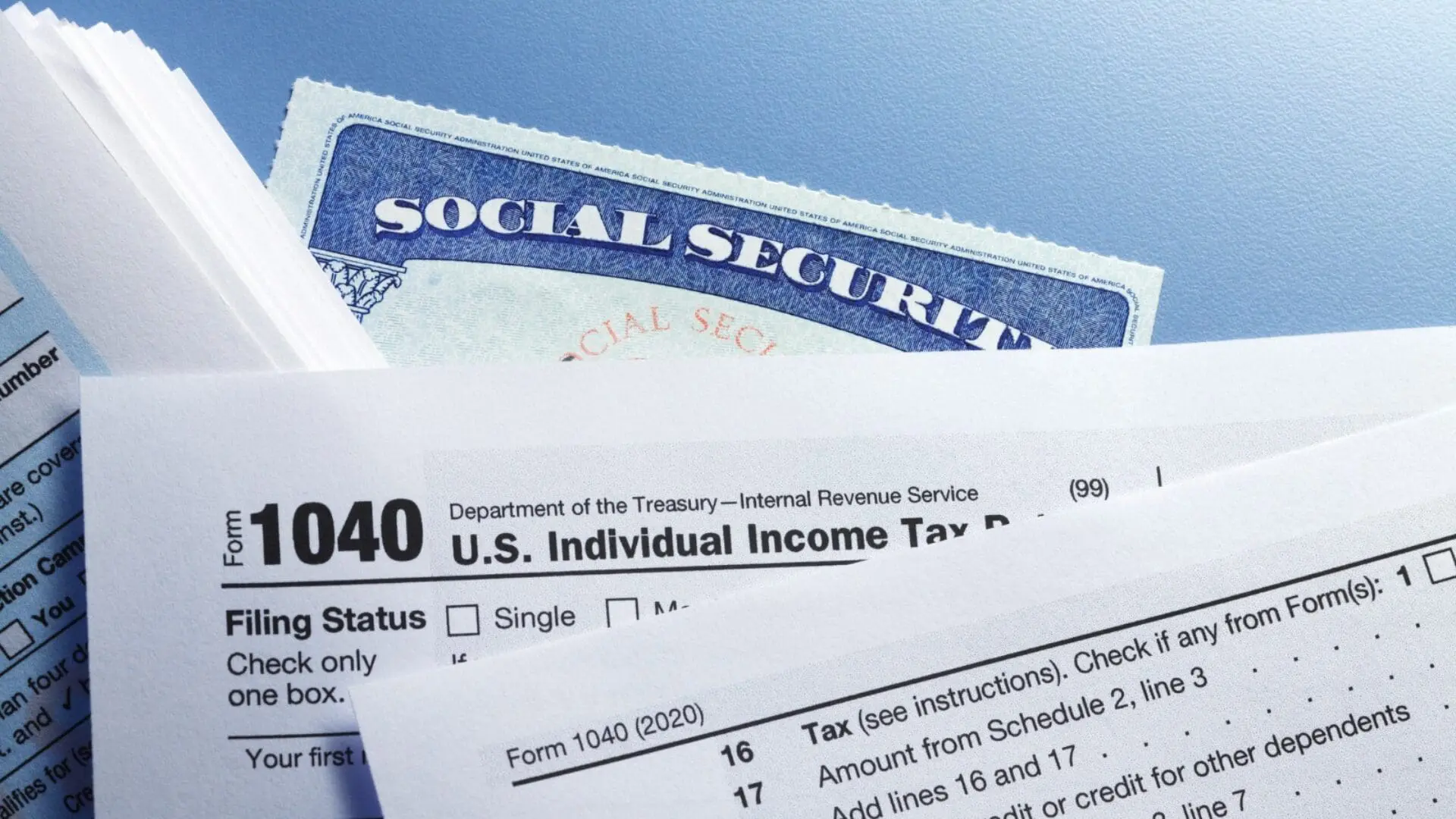
For many older adults, Social Security plays an important role in retirement income. After years of working, paying taxes, and contributing to the system, receiving Social Security benefits can provide a valuable source of financial stability. However, many people are surprised to learn that Social Security benefits can sometimes be subject to taxes. Understanding how taxes and Social Security work together can help you avoid unexpected bills, plan more effectively, and make informed financial decisions throughout retirement.
The relationship between taxes and Social Security is not always straightforward. Factors such as your total income, retirement savings withdrawals, pensions, and even part-time work can affect whether your benefits are taxed. While tax laws can change over time, understanding the basic principles can help you feel more confident about managing your finances. Whether you are already collecting benefits or preparing to retire soon, learning how these systems interact is an important part of retirement planning.
The good news is that you do not need to be a tax expert to understand the essentials. By becoming familiar with a few key concepts, you can better estimate your tax obligations, avoid surprises during tax season, and potentially reduce your tax burden. This guide will walk through the most important things to know about taxes and Social Security in a clear and practical way.
Understanding How Social Security Benefits Work
Before discussing taxes, it helps to understand the basics of Social Security benefits. Social Security is a federal program designed to provide income to eligible retirees, people with disabilities, and certain family members of eligible workers. The amount you receive is based largely on your earnings history and the age at which you begin collecting benefits.
Many people choose to start benefits as early as age 62, although doing so typically results in a reduced monthly payment. Others wait until their full retirement age or even later to receive larger monthly benefits. The timing of when you claim Social Security can have long-term effects on your retirement income and may also influence your overall tax situation.
For many retirees, Social Security serves as one piece of a larger retirement income strategy. Other income sources may include pensions, retirement accounts, investments, rental income, or part-time employment. Because Social Security often works alongside these other income streams, understanding how they interact is essential when evaluating potential tax obligations.
As retirement approaches, many people focus primarily on how much they will receive from Social Security. While that is certainly important, it is equally valuable to understand how your total financial picture may affect what portion of those benefits you ultimately keep after taxes.
If you are still learning the basics of the program, Social Security Explained: What You Need to Know in 2026 offers a helpful overview of how benefits are calculated, when to claim them, and what factors can affect your retirement income.
Are Social Security Benefits Taxable?
One of the most common questions retirees ask is whether Social Security benefits are taxable. The answer is that they may be taxable depending on your overall income. Not everyone pays taxes on Social Security benefits, but many retirees find that a portion of their benefits is included in their taxable income.
The federal government uses a formula that considers your combined income. This calculation generally includes your adjusted gross income, certain non-taxable interest income, and half of your Social Security benefits. Based on that total, a percentage of your Social Security benefits may become subject to federal income tax.
For some retirees, none of their Social Security benefits will be taxed. Others may find that up to 50 percent or even up to 85 percent of their benefits are considered taxable income. It is important to understand that this does not mean you lose 85 percent of your benefits to taxes. Instead, it means that up to 85 percent of your benefits may be included when calculating your taxable income.
This distinction is important because many people mistakenly assume that most of their Social Security payment will be taken away through taxation. In reality, the actual amount of tax owed depends on your overall income level and tax bracket.
What Income Counts Toward Taxation?
The amount of income you receive from sources outside Social Security plays a major role in determining whether your benefits are taxable. Retirement income can come from many places, and each source may affect your tax situation differently.
Common income sources that may influence Social Security taxation include:
- Traditional IRA withdrawals
- 401(k) withdrawals
- Pension payments
- Part-time employment earnings
- Interest income
- Dividend income
- Rental property income
- Capital gains from investments
When retirees begin withdrawing money from tax-deferred retirement accounts, they sometimes discover that these withdrawals increase their taxable income enough to trigger taxes on Social Security benefits. This can come as a surprise because they may have assumed that Social Security and retirement account withdrawals are separate issues.
Understanding how different income sources work together can help you create a more efficient retirement income strategy. Careful planning may reduce the likelihood of unexpectedly increasing the taxable portion of your benefits.
Maximizing Your Social Security
Many People Miss Out on $100,000+ In Social Secuirty Benefits! Don’t be one of them. Our Clear and Complete Guide Explains It All
Get the Guide!How Retirement Account Withdrawals Can Affect Taxes
Many retirees rely on retirement accounts to supplement their Social Security income. While these accounts can provide valuable financial support, withdrawals from certain retirement plans may increase your taxable income and affect your Social Security tax situation.
Traditional IRAs and traditional 401(k) plans are generally funded with pre-tax dollars. When you withdraw money from these accounts during retirement, the distributions are usually taxable. As a result, larger withdrawals may push your income higher and increase the percentage of Social Security benefits that become taxable.
On the other hand, qualified withdrawals from Roth IRAs are generally tax-free. Because Roth IRA withdrawals typically do not count as taxable income, they may have less impact on Social Security taxation. This distinction is one reason many retirees consider maintaining a mix of taxable and tax-free income sources.
Retirement planning is often about flexibility. Having multiple income options may allow you to manage your withdrawals more strategically and potentially reduce your overall tax burden over time. While every situation is different, understanding the tax characteristics of your retirement accounts can be an important part of long-term planning.
Retirement account withdrawals can have a significant impact on your tax situation. For a deeper look at strategies that may help preserve more of your retirement income, see How to Minimize Taxes on Your Retirement Income.
Working While Receiving Social Security
Retirement does not always mean stopping work completely. Many older adults continue working part-time, pursue consulting opportunities, or start small businesses after retiring from their primary careers. While working can provide additional income and personal fulfillment, it can also affect taxes and Social Security.
Employment income generally increases your overall taxable income. As earnings rise, a larger portion of your Social Security benefits may become subject to taxation. This does not necessarily mean working is a bad idea, but it is something worth considering when evaluating your financial situation.
For individuals who claim Social Security before reaching full retirement age, there may also be earnings limits that temporarily affect benefit payments. Once full retirement age is reached, these earnings limits no longer apply, although income taxes may still be relevant.
Many retirees find that continued employment provides benefits beyond income. Staying active, maintaining social connections, and pursuing meaningful work can contribute positively to overall well-being. The key is understanding how earned income fits into your broader financial picture.
State Taxes and Social Security
Federal taxation often receives the most attention, but state taxes are another important consideration. Depending on where you live, your state may have different rules regarding Social Security benefits and retirement income.
Many states do not tax Social Security benefits at all. Others provide partial exemptions or income-based exclusions. A smaller number of states may tax some portion of Social Security benefits under certain circumstances. Because state tax laws can change over time, it is important to stay informed about the rules where you live.
For retirees considering relocation, tax treatment may become one factor among many when evaluating potential destinations. Climate, healthcare access, proximity to family, housing costs, and community resources often carry greater weight, but taxes can still influence long-term financial planning.
Understanding both federal and state tax obligations can provide a more complete picture of your retirement finances. Looking at only one side of the equation may lead to inaccurate expectations about future income and expenses.
Retirement Planning for Older Adults
Are you a little late to the retirement planning game? Get this comprehensive guide and get caught up!
Get the Guide!Required Minimum Distributions and Their Impact
As retirees grow older, required minimum distributions (RMDs) become an important part of retirement planning. These are mandatory withdrawals that must be taken from certain retirement accounts after reaching a specified age.
Because RMDs are generally taxable, they can increase your overall income. In some cases, larger RMDs may cause more of your Social Security benefits to become taxable as well. This interaction often surprises retirees who have accumulated substantial retirement savings over many years.
Planning ahead for RMDs can help reduce future tax challenges. Some retirees explore strategies such as Roth conversions before RMDs begin, while others work with financial professionals to create withdrawal plans that spread income more evenly across retirement years.
The goal is not necessarily to eliminate taxes entirely. Instead, effective planning often focuses on creating predictable income and avoiding unnecessary tax surprises that could disrupt retirement budgets.
Required minimum distributions are just one piece of a larger retirement income strategy. Readers looking to create a more balanced long-term approach may benefit from Creating a Financial Plan After 60: Where to Start.
Common Tax Mistakes Retirees Should Avoid
Taxes during retirement can be more complicated than many people expect. While mistakes happen, being aware of common pitfalls can help you make more informed decisions.
One common mistake is assuming that Social Security benefits are always tax-free. Another is overlooking the impact of retirement account withdrawals on taxable income. Some retirees also fail to account for required minimum distributions until they are required to take them.
Other frequent mistakes include:
- Waiting until tax season to estimate tax liability
- Taking large retirement account withdrawals without considering tax consequences
- Ignoring state tax rules
- Failing to adjust tax withholding when income changes
- Overlooking the tax impact of investment gains
Being proactive can often make tax planning much easier. Small adjustments made throughout the year may help reduce stress when tax season arrives.
Strategies That May Help Reduce Tax Burdens
While taxes are a normal part of retirement, there are several strategies that may help retirees manage their overall tax obligations. The right approach depends on individual circumstances, income sources, and long-term goals.
One strategy involves diversifying retirement income sources. Having access to both taxable and tax-free accounts may provide greater flexibility when deciding where to draw income each year. This flexibility can sometimes help control taxable income levels.
Another approach involves thoughtful timing of retirement account withdrawals. Rather than taking large distributions in a single year, some retirees spread withdrawals over time to avoid unnecessary spikes in taxable income. Others explore charitable giving strategies that align with their financial and personal goals.
It is important to remember that tax planning is not about finding shortcuts or avoiding responsibilities. Instead, it involves understanding the rules and making informed decisions that support your long-term financial well-being.
Tax planning often works best when viewed as part of a broader retirement investment strategy. Low-Risk Investment Strategies for Retirement offers additional ideas for managing income while maintaining financial stability.

Everyone Needs a Little Help Sometimes
There’s so much to know when it comes to lifestyle choices for Older Adults, it’s hard to know even where to begin. One way is to simply click on the button below and let one of our coaches give some guidance – at no cost to you.
Get Help NowWhy Annual Tax Reviews Matter
Retirement finances rarely remain exactly the same from year to year. Investment income changes, required distributions begin, healthcare expenses fluctuate, and family circumstances evolve. Because of these changes, reviewing your tax situation annually can be extremely beneficial.
An annual review allows you to assess income sources, estimate potential tax obligations, and identify opportunities for adjustments before the end of the year. Waiting until tax season often limits the number of options available to improve your situation.
Even retirees with relatively simple finances can benefit from periodically reviewing their plans. Small changes in income may affect Social Security taxation, healthcare costs, or other aspects of retirement planning. Staying informed can help prevent surprises and support better decision-making.
Many people find peace of mind in understanding where they stand financially. Rather than worrying about unknown tax consequences, regular reviews create greater clarity and confidence.
Regular financial reviews become even more important as retirement progresses. Staying informed about changing benefits can also help, and What the 2026 Social Security COLA Means for Boomer Homeowners provides useful context on how annual adjustments may affect retirement planning.
Working With a Tax or Financial Professional
While many retirees successfully manage their own finances, there are times when professional guidance can be valuable. Tax laws change, retirement income strategies can become complex, and individual circumstances often require personalized advice.
A qualified tax professional or financial planner can help you understand how Social Security, retirement accounts, investments, and other income sources work together. They may also identify planning opportunities that are easy to overlook when handling everything on your own.
Seeking professional guidance does not mean giving up control of your finances. Instead, it can provide additional knowledge and perspective that supports informed decision-making. Many retirees view professional advice as an investment in long-term financial confidence.
The goal is not to create a complicated financial plan. Rather, it is to ensure that your decisions align with your needs, priorities, and retirement goals.
Conclusion
Taxes and Social Security are closely connected parts of retirement planning. While the rules may seem complicated at first, understanding the basics can help you make more informed decisions and avoid unexpected surprises. Knowing how income from retirement accounts, investments, employment, and other sources affects Social Security taxation can provide valuable clarity as you navigate retirement.
The most effective approach is often one that combines awareness, planning, and flexibility. Retirement is not simply about maximizing income. It is also about understanding how different financial decisions work together and how they affect your overall quality of life. By taking the time to learn about taxes and Social Security, you can create a stronger foundation for financial confidence and peace of mind.
No two retirement journeys look exactly alike. Your income sources, goals, and circumstances are unique. However, a basic understanding of how taxes and Social Security interact can help you make thoughtful choices that support both your financial well-being and your long-term retirement goals.
