

Seb Frey is a REALTOR® and founder of Team Sixty Plus, a curated network connecting older adults and their families with trusted professionals across California. With decades of experience helping homeowners 60+ navigate major life transitions—like downsizing, aging in place, or passing on a legacy—Seb brings deep market knowledge, a compassionate approach, and a commitment to simplifying complex decisions. When he’s not advising clients, he’s sharing expert insights on real estate, retirement strategies, and quality-of-life resources for the 60+ community.
A Universal Journey into the “Fragile Years”
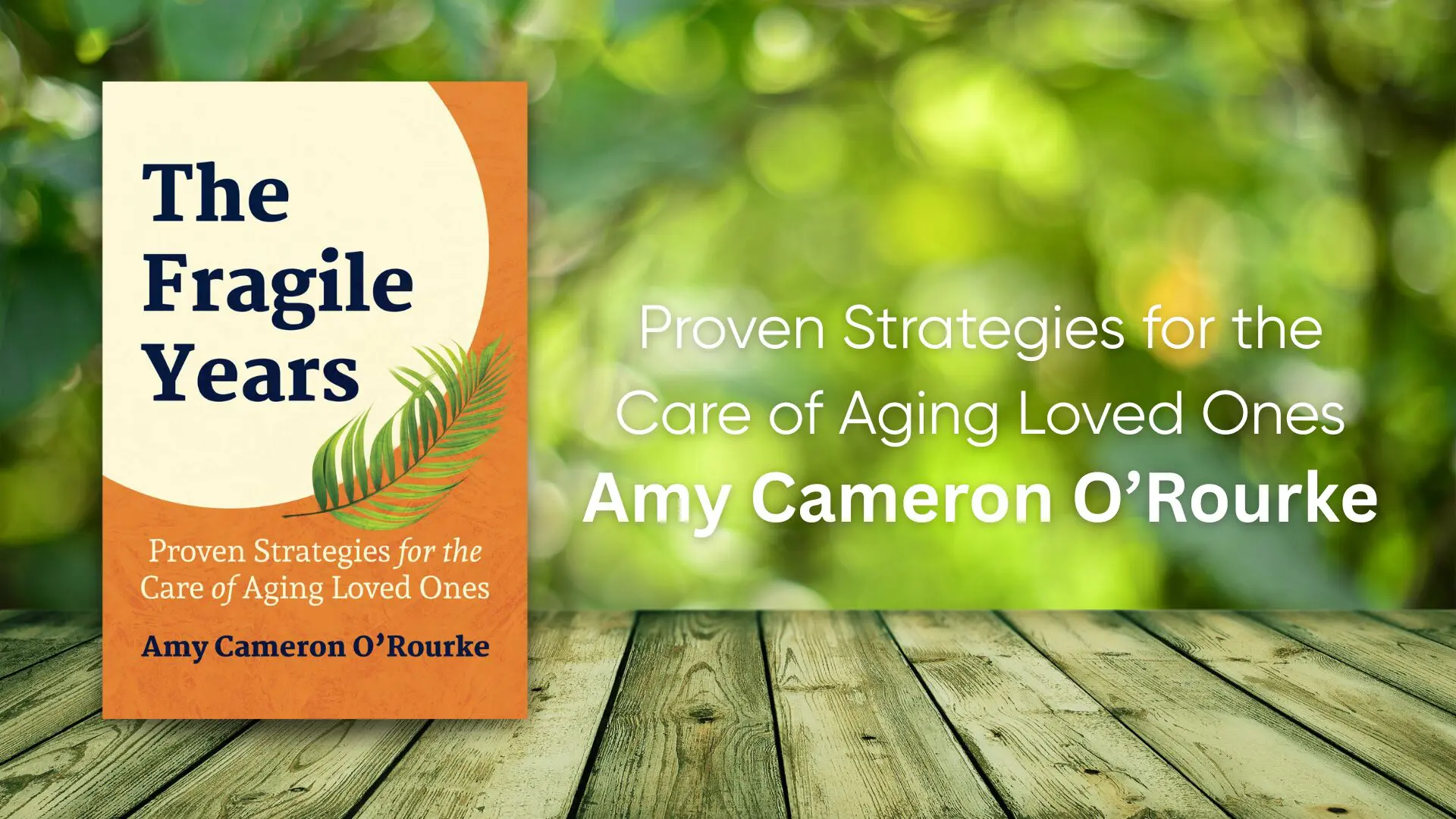
Aging isn’t just a biological process, it’s a deeply emotional, social, and financial journey that affects entire families. Whether you’re an adult child suddenly thrust into the role of caregiver or someone anticipating this season of life, Amy Cameron O’Rourke’s The Fragile Years offers both practical strategies and heartfelt understanding.
Published by Post Hill Press, this book isn’t merely a manual, it’s a roadmap for one of the most complex transitions in life: helping our parents (or other loved ones) move gracefully through their later years. O’Rourke, a veteran care management professional with over 40 years of experience, breaks down what she calls the “fragile years”, the period when aging adults begin to lose independence but still strive to hold onto dignity and purpose.
If you’ve ever asked yourself:
- Should Mom stay at home or move into assisted living?
- Is Dad getting all the Medicare benefits he deserves?
- How do I balance compassion with financial reality?
- How do we talk about end-of-life care without breaking down?
…then this book will feel like a lifeline.
Author Background: Decades of Experience, Grounded in Compassion
Before diving into the lessons, it’s helpful to understand who Amy Cameron O’Rourke is. She’s the founder of The Cameron Group, a Florida-based care management company, and she has personally helped thousands of families navigate aging-related decisions. Her insights are grounded in decades of hands-on work, not theory. That authenticity gives The Fragile Years a credibility that many caregiving books lack.
O’Rourke’s background in both healthcare and human relationships shines through in her tone. She writes not as a distant expert but as a compassionate guide who understands the confusion, guilt, and grief that families face. She shares both clinical wisdom and personal stories, making the book feel at once professional and deeply human.
Family Guide for Aging in Place
For Families with Older Adults who are looking to help with a Parent with Aging in Place!
Get the GuideWhat Are “The Fragile Years”?
One of the most powerful contributions of this book is the term itself: “The Fragile Years.” O’Rourke defines this as the period in an older adult’s life when independence is still present, but vulnerability is unmistakable. These years are characterized by:
- Frequent hospital visits or chronic illnesses
- Declines in physical or cognitive ability
- Emotional stress caused by loss of independence
- Difficult decisions about living arrangements, finances, and medical care
The fragility is both physical and emotional, and O’Rourke captures that duality perfectly. Her framing helps readers see that fragility isn’t weakness, it’s a natural phase of life that requires respect, patience, and structure.
Structure of the Book
The Fragile Years is divided into several clear, easy-to-navigate sections, each focusing on a different stage of care or type of decision. Here’s a brief overview:
- Recognizing the Fragile Years – How to know when they’ve begun.
- The Family’s Emotional Journey – Understanding denial, guilt, and the emotional complexity of caregiving.
- Health Care Realities – How to deal with doctors, hospitalizations, and long-term care decisions.
- Financial Navigation – Managing costs, insurance, Medicare/Medicaid, and long-term financial sustainability.
- Living Options – The pros and cons of home care, assisted living, and nursing homes.
- Maintaining Dignity and Connection – Keeping the focus on the person, not just the patient.
- Preparing for the End – Conversations and decisions around hospice, end-of-life care, and legacy.
Each section blends personal anecdotes, practical advice, and checklists. The writing is warm but clear, making even heavy topics, like end-of-life planning, feel approachable rather than clinical.
Key Themes and Insights
1. Recognizing the Shift from Independence to Fragility
One of O’Rourke’s first lessons is that families often miss the signs of “the fragile years” because they happen gradually. She offers indicators such as:
- Repeated hospitalizations
- Increased confusion or forgetfulness
- Noticeable loss of mobility
- Withdrawal from social life
- Poor management of finances or medication
She urges families not to ignore these signs out of fear or denial. Recognizing them early allows for proactive planning, avoiding crisis-driven decisions later.
2. Balancing Compassion with Realism
A standout quality of the book is its balance between empathy and practicality. O’Rourke doesn’t sugarcoat the challenges, financial strain, sibling disagreements, caregiver burnout, but she consistently guides readers toward emotionally intelligent choices.
She emphasizes “loving realism”: caring deeply while also facing facts. For instance, she advises families to discuss finances openly before a crisis occurs, and to involve aging loved ones in decision-making rather than making choices for them.
“It’s not about taking control,” she writes. “It’s about creating a circle of support that respects their autonomy while preparing for their needs.”
3. Navigating the Healthcare Maze
Anyone who has tried to coordinate care across multiple specialists, hospitals, and insurance systems knows how overwhelming it can be. O’Rourke simplifies this process by:
- Explaining how Medicare and Medicaid differ
- Discussing long-term care insurance options
- Offering sample scripts for communicating with doctors
- Highlighting common pitfalls, like assuming rehab centers provide long-term care
She also stresses the importance of having a healthcare advocate, someone who can accompany the older adult to appointments, take notes, and ensure continuity of care.
4. Understanding Emotional Dynamics in Families
Aging doesn’t just affect the person growing older, it affects everyone around them. O’Rourke devotes entire chapters to family conflict, guilt, and role reversal (children becoming caregivers to their parents).
She identifies typical patterns, such as:
- The “Denier” – insists nothing is wrong
- The “Martyr” – takes on too much, often burning out
- The “Absent One” – emotionally or physically distant
Her advice is to approach family caregiving as a team effort, grounded in honesty and empathy. She offers strategies for holding family meetings, setting boundaries, and involving neutral third parties when needed (e.g., care managers or mediators).
Many adult children step into caregiving roles without realizing the toll it takes, or that financial help may be possible. Learn more in How to Get Paid to Care for an Older Adult Family Member (2025 Guide).
5. Financial and Legal Preparedness
O’Rourke’s financial advice is grounded in realism. She walks readers through the actual costs of aging care, sometimes $50,000 to $100,000 per year for assisted living, and the importance of early planning.
She provides actionable steps:
- Review long-term care insurance policies annually
- Understand Medicare’s coverage limits (and myths)
- Explore Veterans Affairs (VA) benefits for eligible elders
- Consult an elder law attorney to set up powers of attorney, advance directives, and estate plans
The author doesn’t shy away from discussing economic disparities, acknowledging that many families struggle to afford high-quality care. She includes low-cost and community-based alternatives, such as PACE programs (Program of All-Inclusive Care for the Elderly) and Area Agency on Aging resources.
Home equity can be a powerful tool in funding long-term care or improving quality of life. For real-world examples, read Unlocking Home Equity for Seniors: How Older Adults Can Thrive Financially.
Tap Into your Home Equity
Need to raise some cash to pay for home improvements, or anything else? Get our Guide on Creative Ways to Tap Into Home Equity
Get our Guide!Wondering if a reverse mortgage might help you or a loved one? Check out A Quick Guide on Reverse Mortgages for Seasoned Homeowners.
Case Studies: Real Lives, Real Lessons
Throughout the book, O’Rourke includes short case studies drawn from her decades of experience. For example:
- Mary and Her Daughter Sue: Mary resisted moving into assisted living even after multiple falls. Sue struggled with guilt but eventually helped her mother transition to a facility that offered safety and social engagement. Within months, Mary was thriving.
- Robert’s Financial Spiral: After ignoring early signs of dementia, Robert’s family faced a financial crisis when he could no longer manage his money. The story illustrates why early intervention is crucial.
These vignettes ground the book’s lessons in reality, making the advice tangible. Readers will see themselves and their loved ones reflected in these stories.
Strengths of the Book
✅ 1. Compassionate Yet Honest Tone
O’Rourke strikes a rare balance, her writing is empathetic without being sentimental. She acknowledges the pain and loss inherent in aging, but she consistently focuses on empowerment, not pity.
✅ 2. Practical Frameworks
Her step-by-step guides, sample questions, and decision frameworks make this more than just a book, it’s a reference tool. Readers can return to it at different stages as needs evolve.
✅ 3. Holistic Approach
Unlike books that focus solely on medical or financial aspects, The Fragile Years addresses emotional, spiritual, and social well-being. O’Rourke views aging as a full human experience, not just a decline.
✅ 4. Accessibility
The language is clear and conversational, avoiding jargon. Even complex topics like Medicaid eligibility are explained in plain English.
Potential Weaknesses
While the book is strong overall, a few readers might find:
- A U.S.-centric perspective: Some guidance, especially on Medicare and Medicaid, is specific to the American healthcare system.
- Limited diversity of experiences: While O’Rourke draws on many cases, more discussion on cultural differences in caregiving would strengthen the book’s universality.
- Few quantitative tools: Those seeking spreadsheets or planning templates may need supplemental resources.
However, these are minor issues compared to the book’s overall depth and usefulness.
Key Takeaways: What You’ll Learn
Here are some of the most valuable lessons from The Fragile Years:
- Start conversations early – The earlier you talk about wishes, finances, and care preferences, the smoother the path will be.
- Plan for flexibility – Needs will change. Build care plans that can evolve.
- Preserve dignity – Even small choices, what to wear, what to eat, help maintain autonomy.
- Understand the system – Learn how healthcare, insurance, and benefits interact before a crisis hits.
- Seek help – Use care managers, support groups, and professional resources.
- Embrace acceptance – The “fragile years” are not just about loss; they’re an opportunity to deepen family connection and compassion.
Who Should Read This Book
This book is ideal for:
- Adult children caring for aging parents
- Spouses or partners of older adults with chronic illnesses
- Healthcare or social work professionals seeking a human-centered caregiving model
- Anyone over 50 planning ahead for their own later years
It’s also a valuable resource for financial planners, therapists, clergy, and senior living administrators who interact with families in transition.
Statistics That Reinforce Its Relevance
To appreciate how urgent this topic is, consider a few national trends:
- By 2030, 1 in 5 Americans will be over 65.
- Nearly 70% of those will require some form of long-term care.
- The average annual cost of assisted living exceeds $60,000, while nursing home care can surpass $100,000.
- Family caregivers collectively provide over 34 billion hours of unpaid care each year, valued at more than $470 billion (AARP, 2023).
The Fragile Years equips readers with tools to navigate this growing societal challenge with grace and foresight.
The Fragile Years reminds readers to use every available resource. For more programs that could help, read Are You Missing Out on These Senior Benefits?.
Memorable Quotes
A few standout lines capture O’Rourke’s philosophy:
“Aging well doesn’t mean avoiding frailty, it means meeting it with compassion, planning, and dignity.”
“Your role is not to fix everything. It’s to walk beside your loved one as they redefine what independence means.”
“When families unite around shared values instead of fear, even the hardest transitions become sacred.”
These quotes reflect why the book resonates so deeply, it’s as much about how to love through aging as it is about logistics.
Retirement Planning for Older Adults
Are you a little late to the retirement planning game? Get this comprehensive guide and get caught up!
Get the Guide!Conclusion: A Gentle, Powerful Call to Action
The Fragile Years is more than a caregiving guide, it’s an invitation to transform how we think about aging itself. Amy Cameron O’Rourke challenges us to replace fear and denial with understanding and preparation. Her blend of professional expertise and heartfelt storytelling makes the subject accessible, even uplifting.
If you are caring for an aging parent, or preparing for your own later years, this book will give you both clarity and comfort. It reminds us that fragility doesn’t diminish humanity; it illuminates it.
In a world where aging is often seen as decline, The Fragile Years offers a new narrative: one of dignity, grace, and love that endures even in life’s most delicate stages.
Final Thought
This book isn’t just for caregivers, it’s for anyone who values compassion, connection, and the courage to face life’s most human chapter with open eyes and an open heart. It’s a reminder that the “fragile years” can also be profoundly meaningful years.