

Seb Frey is a REALTOR® and founder of Team Sixty Plus, a curated network connecting older adults and their families with trusted professionals across California. With decades of experience helping homeowners 60+ navigate major life transitions—like downsizing, aging in place, or passing on a legacy—Seb brings deep market knowledge, a compassionate approach, and a commitment to simplifying complex decisions. When he’s not advising clients, he’s sharing expert insights on real estate, retirement strategies, and quality-of-life resources for the 60+ community.
Most people think about longevity in terms of diet, exercise, medical care, or genetics. Those things certainly matter. But there is another factor that quietly shapes daily health and quality of life: the home environment.
The spaces we live in influence far more than comfort or appearance. They affect sleep, movement, stress levels, safety, social connection, independence, and even mood. Over time, small habits created by our surroundings can either support long-term well-being or slowly work against it.
For older adults especially, the home often becomes the center of daily life. Many people spend more time indoors as they age, whether by choice, retirement, mobility limitations, caregiving responsibilities, or simple lifestyle changes. That means the design and condition of a home can have a lasting impact on physical and emotional health.
The good news is that creating a healthier home does not require a major renovation or expensive upgrades. In many cases, small practical changes can make daily life easier, safer, and more supportive of healthy aging.
This is not about turning a home into a medical facility or chasing perfection. It is about creating an environment that quietly helps you feel better, move more easily, think more clearly, and stay connected to the life you want to live.
The Home as a Daily Health Partner
People often underestimate how much their surroundings shape their routines. A cluttered room may discourage movement. Poor lighting may strain the eyes and increase fall risks. A noisy bedroom can quietly reduce sleep quality night after night. Even the location of frequently used items can affect how much energy someone uses throughout the day.
At the same time, supportive environments can encourage healthier habits naturally. A comfortable chair near a sunny window may encourage reading or relaxation. Clear walking paths make movement easier and safer. Accessible kitchens encourage home cooking instead of relying on processed meals or takeout.
Longevity is rarely built through dramatic changes alone. It is usually shaped through small daily patterns repeated over many years. The home either supports those patterns or makes them harder.
That is why creating a healthier living environment matters. It removes friction from daily life and helps preserve energy for the things that truly matter.
Readers exploring how home environments affect long-term well-being may also find How to Safely Age in Place: A Practical Guide helpful, especially for understanding how small home adjustments can support comfort, safety, and independence over time.
Guide Your Aging Parents Through Their Later Years
Download our plain-spoken guide to helping your aging parents manage care, finances, the long-time family home, and estate.
Get the Guide!Why Safety Is About More Than Preventing Falls
When people hear the phrase “aging safely at home,” they often think only about grab bars, walkers, or medical alert systems. While those tools can certainly play an important role, home safety extends far beyond preventing major accidents or emergencies. A healthy and supportive home environment should also help people move comfortably, maintain confidence, and continue participating in everyday life without unnecessary stress or difficulty. Safety is not only about avoiding injury, but also about preserving independence, routine, and peace of mind over time.
A stressful or physically difficult home environment can gradually affect both confidence and quality of life in subtle ways. For example, someone who struggles with steep stairs may slowly begin avoiding certain areas of the home altogether. Poor lighting may make evening activities feel uncomfortable or unsafe, while hard-to-reach cabinets and crowded spaces can discourage cooking, cleaning, or completing simple daily tasks. Over time, these small frustrations may quietly reduce activity levels, social engagement, and overall independence without people fully realizing the impact.
Fortunately, simple home improvements often create meaningful changes in comfort and daily function. Practical adjustments may include:
- Better lighting in hallways and bathrooms
- Removing loose rugs or exposed cords
- Installing railings where needed
- Rearranging furniture for easier movement
- Keeping commonly used items within easy reach
- Using non-slip mats in wet areas
These changes may sound minor, but together they can significantly reduce both physical strain and mental stress. When people feel safer moving through their home, they are often more confident completing daily routines, staying active, and maintaining independence. A well-designed environment can help everyday tasks feel easier rather than exhausting or risky.
Importantly, safer homes also support emotional well-being and long-term independence. Many older adults strongly prefer remaining in familiar surroundings where they feel comfortable, connected, and emotionally grounded rather than moving into assisted living or care facilities earlier than necessary. A home that adapts thoughtfully to changing needs can make that possible for much longer. In many cases, the goal is not dramatic renovation, but creating a space that continues to support comfort, dignity, and confidence throughout different stages of life.
For a deeper look at practical ways to reduce risks at home while maintaining independence, Top 10 Things to Do to Reduce the Risk of Falling in Your Home offers simple and realistic strategies older adults and families can apply right away.

Time to Downsize?
Discover the joy of letting go! Our guide to Downsizing helps you downsize with ease.
Lighting Has a Bigger Impact Than Many Realize
Lighting affects much more than simple visibility inside a home. It can influence mood, sleep quality, energy levels, balance, and even cognitive function over time. As people age, the eyes naturally require more light to see clearly and process visual details comfortably. Spaces that once felt warm and familiar may slowly become harder to navigate, while shadows and dim corners can increase confusion or make depth perception more difficult, especially around stairs, hallways, and uneven flooring.
Natural light also plays an important role in supporting healthy circadian rhythms, which help regulate the body’s sleep and wake cycles. Limited exposure to daylight may contribute to poor sleep, lower daytime energy, and even feelings of isolation or low mood. Spending more time near windows, opening curtains during the day, or trimming outdoor plants that block sunlight are simple ways to bring more natural light into the home. Even small adjustments like these can make a space feel more open, calming, and energizing throughout the day.
Fortunately, improving lighting does not need to involve a major renovation or expensive upgrades. Replacing dim bulbs with brighter, softer lighting in kitchens, bathrooms, and entryways can immediately improve comfort and visibility. Layered lighting is also especially helpful because it creates a more balanced and functional environment. Instead of relying only on a single overhead fixture, combining floor lamps, table lamps, reading lights, and under-cabinet lighting can reduce shadows and make everyday activities easier and less tiring.
Thoughtful night time lighting can also improve safety while supporting a calmer evening routine. Softer lighting in the evening may help the body naturally prepare for sleep, while motion-sensor night lights in hallways, bathrooms, or bedrooms can reduce fall risks and make nighttime movement feel less stressful. These changes may seem small at first, but they often have a meaningful impact on daily comfort, confidence, and overall well-being.
Many of these small environmental improvements connect closely with the ideas discussed in Home Modifications That Make Aging in Place Easier, which explores how thoughtful changes inside the home can improve both comfort and daily function.
Air Quality Matters More Indoors Than Outdoors for Many People
People are often concerned about outdoor pollution, but indoor air quality can be just as important, especially for individuals who spend a large portion of their time inside the home. Everyday factors such as dust, mold, pet dander, poor ventilation, smoke residue, and strong chemical cleaners can quietly affect breathing, comfort, and overall well-being. Older adults may be particularly sensitive to these issues, especially those living with asthma, allergies, or other respiratory conditions. Over time, poor indoor air quality may also contribute to disrupted sleep, fatigue, headaches, or increased irritation in the eyes, throat, and lungs.
Fortunately, improving indoor air quality does not require creating a perfectly controlled environment or making expensive upgrades. In many cases, small and consistent habits can make a meaningful difference over time. Opening windows regularly when weather allows can improve airflow and help reduce stale indoor air. Replacing HVAC filters on schedule, vacuuming carpets and upholstery, and cleaning soft surfaces can also reduce dust buildup and support a fresher, healthier living space.
Many people also benefit from limiting harsh chemical products inside the home. Strong fragrances from candles, air fresheners, cleaning sprays, or scented detergents may irritate the lungs or trigger headaches for some individuals, even when the products are commonly used. Choosing gentler, low-fragrance alternatives can help create a calmer and more comfortable indoor environment. While indoor plants may also add a soothing atmosphere and a sense of freshness, they work best as a complement to proper ventilation and regular cleaning rather than a replacement for them.
Humidity levels are another important part of maintaining indoor comfort and air quality. Very dry air can irritate the skin, nose, and throat, while excess moisture may encourage mold growth and create a damp, uncomfortable environment. Using a humidifier or dehumidifier when needed can help maintain balanced humidity levels throughout the home. These small adjustments often support easier breathing, better sleep, improved comfort, and a greater sense of overall well-being in daily life.
The Bedroom and the Quality of Rest
Sleep often becomes even more important with age, not less. Quality rest supports memory, mood, immune health, physical recovery, and steady energy levels throughout the day. However, many homes unintentionally interfere with healthy sleep habits without people fully realizing it. Bedrooms that are too warm, noisy, cluttered, or overly bright can make it more difficult to fall asleep and stay asleep consistently, while late-night television or excessive screen use may overstimulate the brain and delay rest.
Creating a more restful bedroom environment often begins with simplicity and comfort rather than dramatic changes. Comfortable bedding, cooler room temperatures, softer lighting, reduced noise, and darker sleeping conditions can all help support deeper and more consistent rest. Some individuals benefit from blackout curtains that block outside light or white noise machines that reduce distracting sounds, while others simply sleep better after removing unnecessary clutter and distractions from the room. Even small adjustments can help create a space that feels calmer and more supportive at the end of the day.
It can also be helpful to think of the bedroom primarily as a place for rest rather than stimulation or stress. Work materials, stressful paperwork, bright electronics, or constant notifications may make it harder for the mind to fully relax before sleep. Keeping these items in another area of the home can support a more peaceful environment and create a clearer separation between activity and rest. Over time, this mental association can help the body naturally settle into a healthier nighttime rhythm.
Small bedtime routines often play an important role as well. Gentle lighting in the evening, reading a book, stretching, practicing slow breathing, or listening to calming music may help signal to the body that it is time to unwind. Better sleep rarely comes from one dramatic solution or quick fix. More often, it improves through small environmental and behavioral adjustments that work together consistently over time, creating a bedroom that supports comfort, relaxation, and overall well-being.
Readers interested in improving sleep quality as part of healthy aging may also appreciate Why Sleep Hygiene Is Critical for Seniors (And How to Improve It), which explains how simple nighttime habits and bedroom adjustments can support deeper and more consistent rest.
Kitchens Can Encourage Healthier Habits
The kitchen plays a much larger role in long-term health than many people realize. A difficult, cluttered, or poorly organized kitchen can quietly discourage regular cooking, especially for older adults who may already feel tired, overwhelmed, or physically limited at the end of the day. When preparing healthy meals feels inconvenient or exhausting, people are more likely to rely on processed foods, skip meals, or choose less nutritious options simply because they are faster and easier. Over time, these small daily habits can affect energy levels, overall nutrition, and long-term well-being.
Creating a more supportive kitchen environment does not necessarily require expensive renovations or a complete redesign. In many cases, thoughtful organization and accessibility make the biggest difference. Keeping frequently used dishes, cookware, utensils, and ingredients within easy reach can reduce unnecessary strain on the back, shoulders, and knees. Good lighting over counters and cooking areas also improves visibility, safety, and comfort, while clear countertops can make meal preparation feel less stressful and more manageable.
Simple systems can also make healthy eating easier to maintain consistently. Some people find it helpful to prepare ingredients in advance, portion snacks ahead of time, or store healthy foods where they are easy to see and access. Fresh fruit placed on the counter, pre-cut vegetables in clear containers, or easy-to-reach pantry staples may encourage better food choices without requiring extra effort. These small environmental cues often support healthier routines naturally and consistently over time.
Comfort and physical support inside the kitchen matter as well. For someone who struggles with standing for long periods, a sturdy chair or supportive stool can make cooking feel less tiring and more approachable. Small adjustments like anti-fatigue mats, lightweight cookware, or easier-to-grip kitchen tools may also improve comfort and confidence during daily tasks. The goal is not perfection or elaborate home-cooked meals every day. It is simply creating a kitchen environment that makes healthy habits feel easier, more comfortable, and more sustainable over time.
Clutter Quietly Drains Energy
Clutter affects people differently, but excessive disorganization often creates stress in ways that are easy to overlook. Crowded spaces can increase fall risks, make cleaning more difficult, and create frustration during simple daily routines like finding keys, preparing meals, or moving comfortably from room to room. Constant visual clutter may also contribute to feelings of overwhelm, distraction, or mental fatigue, especially when the home no longer feels calm or easy to manage. Over time, a disorganized environment can quietly affect both physical comfort and emotional well-being.
At the same time, this does not mean every home should look minimalist, perfectly styled, or completely free of personal belongings. Collections, family photos, books, keepsakes, and meaningful objects are often part of what makes a home feel warm, personal, and comforting. The goal is not to remove personality from a space or create unrealistic standards of organization. Instead, the focus is on functionality and creating an environment that feels supportive rather than exhausting.
A helpful way to approach decluttering is by asking simple practical questions. Can you move easily and safely through the space without obstacles? Can you find important items without stress or frustration? Does the environment help you feel calm and comfortable, or does it leave you feeling mentally drained? These questions often matter more than whether a room appears perfectly neat from the outside.
Decluttering can also be deeply emotional, especially for older adults who have spent decades building a life inside their home. Many possessions carry memories, stories, or connections to important life experiences, which is why the process should never feel rushed, harsh, or judgmental. Starting small is often the most effective and sustainable approach. Organizing one drawer, one shelf, or one corner at a time can create noticeable improvements without becoming emotionally or physically overwhelming.
In many cases, the greatest benefit of decluttering is not simply appearance. It is the sense of peace, clarity, and ease that comes from living in a space that feels manageable and supportive. Even small changes can make daily life feel calmer, safer, and less stressful over time.
You Need a Winning Strategy
When it comes to navigating the ocean of resources for older adults, it helps – a lot – to have someone who can show you the way. Book a call with a coach to save time, money, and no small amount of frustration.
Click Here to Book a CallSocial Connection Starts at Home Too
Longevity is not only about physical health. Emotional well-being, meaningful relationships, and social connection also play an important role in maintaining overall quality of life as people age. The home environment can quietly influence these areas more than many people realize. A space that feels welcoming, comfortable, and functional often makes it easier to stay connected with friends, family, and the surrounding community.
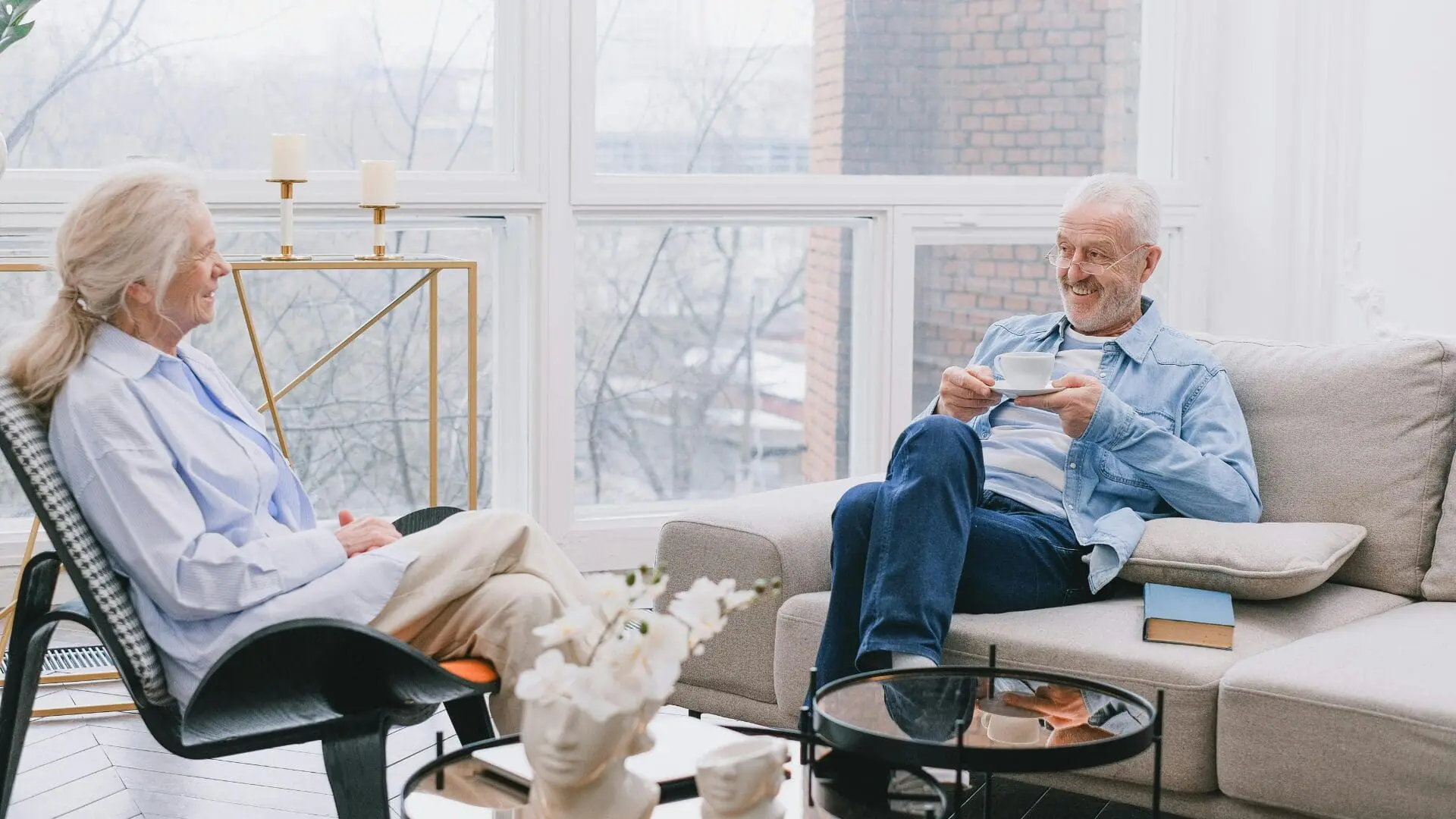
Simple features inside the home can encourage more regular interaction and connection. Comfortable seating areas naturally invite conversation and shared time together, while accessible entryways can make visits easier and less stressful for guests of all ages. Even small outdoor spaces such as patios, balconies, or gardens may create opportunities for relaxation, fresh air, and meaningful moments with others. These everyday spaces often become the setting for conversations, family visits, or quiet companionship that supports emotional well-being over time.
On the other hand, homes that feel difficult to manage or embarrassing because of clutter, maintenance issues, or disrepair may gradually lead some people to withdraw socially. Invitations may become less frequent, or individuals may avoid hosting others altogether because the process feels overwhelming or stressful. Over time, this kind of isolation can quietly affect both mental and physical health. While a home alone cannot solve loneliness, it can either encourage connection and comfort or unintentionally create barriers that make social interaction feel harder.
Fortunately, small adjustments can sometimes make a meaningful difference. Improving lighting, simplifying crowded spaces, or creating a cozy and functional sitting area may help hosting visitors feel less stressful and more enjoyable again. Technology also plays an increasingly important role in supporting connection, especially for older adults who may face mobility challenges or live far from loved ones. Reliable internet access, easy-to-use devices, voice assistants, or larger screens for video calls can help people stay connected to family, friendships, hobbies, and support networks even when in-person visits are not always possible.
A healthy home supports more than daily routines and physical safety. It also supports conversation, belonging, comfort, and the relationships that help people feel connected and emotionally supported throughout life.
Outdoor Spaces Matter More Than We Think
Even modest access to outdoor spaces can have a meaningful impact on overall well-being. A small patio, balcony, porch, garden, or even a quiet sitting area outside the home can provide opportunities for fresh air, sunlight, and gentle daily movement. Spending time outdoors has been associated with lower stress levels, improved mood, and a greater sense of calm for many people. These simple moments outside often help break up long periods indoors and create a stronger connection to daily rhythms, weather, and the surrounding environment.
Outdoor spaces do not need to be large, expensive, or carefully designed to feel beneficial. In many cases, small and practical touches are enough to encourage regular use. A comfortable chair, shaded seating, a few plants, or safe and level walking paths can make outdoor areas feel more inviting and relaxing. When outdoor spaces are easy to access and comfortable to use, people are often more likely to spend time outside consistently rather than viewing it as an effort or inconvenience.
Gardening can also provide several physical and emotional benefits, especially for older adults. It combines light movement, sensory stimulation, routine, and connection with nature in a way that feels purposeful and calming. Watering plants, trimming herbs, or caring for a few flowers in containers may create small moments of enjoyment and accomplishment throughout the week. Even very simple gardening activities can support mental engagement and provide a comforting sense of routine and care.
Safe outdoor access is equally important when it comes to encouraging mobility and independence. Stable entryways, secure railings, non-slip surfaces, and easy-to-navigate pathways may help people feel more confident stepping outside regularly rather than remaining indoors for long periods. Over time, these small daily interactions with the outside world often contribute to a greater sense of balance, energy, and emotional well-being. A healthy home is not only about what happens indoors, but also about how easily it supports connection with the world outside.
Technology Can Support Longevity When Used Thoughtfully
Technology can sometimes feel overwhelming, especially as new devices and systems continue to appear at a rapid pace. However, certain forms of technology can genuinely support safer, healthier, and more comfortable living, particularly for older adults who want to maintain independence at home. The most helpful tools are often the ones that quietly simplify everyday routines rather than adding more complexity or stress. In many cases, small practical solutions can make a meaningful difference in daily life.
Simple examples include:
- Video doorbells for added security
- Smart lighting systems
- Medication reminders
- Voice assistants for hands-free help
- Automatic thermostats
- Fall detection devices
- Video calling platforms for social connection
The goal is not to transform a home into a highly automated or overly technical environment. In fact, too much complexity can sometimes create frustration, confusion, or unnecessary dependence on systems that are difficult to manage. Helpful technology should feel supportive and intuitive rather than overwhelming. When devices are easy to understand and reliable to use, they are far more likely to improve comfort and confidence over time.
For many older adults, the best solutions are often the simplest ones. Devices with large buttons, clear instructions, readable displays, and dependable functionality tend to work better than systems packed with endless settings and features. A straightforward medication reminder, voice assistant, or automatic light may provide more practical value than a complicated setup that requires constant troubleshooting. Technology should adapt to the individual using it, not force the individual to constantly adapt to the technology.
Most importantly, supportive technology should encourage independence rather than create additional stress or confusion. The right tools can help people stay connected, feel safer, manage daily routines more easily, and remain confident in their own homes. When used thoughtfully, technology becomes less about convenience alone and more about improving quality of life in small but meaningful ways.
Emotional Comfort Matters Too
A healthy home is not only about physical safety or practical design. It should also feel emotionally supportive and comforting to the people who live there. Homes often carry years of memories, routines, traditions, and personal meaning that shape how people feel on a daily basis. Familiar spaces can provide reassurance and stability during periods of stress, change, or uncertainty, while environments that feel neglected, chaotic, or isolating may gradually affect emotional well-being over time.
Creating emotional comfort inside a home often comes through small and deeply personal touches rather than major changes or expensive upgrades. Family photos, favorite books, meaningful artwork, music, soft blankets, or familiar scents can all help create a stronger sense of calm, belonging, and identity. These details may seem simple, but they often make a space feel more grounding and emotionally reassuring. A home that reflects a person’s personality, history, and interests tends to feel warmer and more comforting than one designed only for appearance or function.
Emotional well-being is also closely connected to feeling comfortable and confident within the home environment. Spaces that are easy to navigate, relaxing to spend time in, and supportive of daily routines often help reduce stress and create a greater sense of peace. Small adjustments such as improving lighting, organizing meaningful belongings, creating cozy seating areas, or reducing unnecessary distractions may have a surprisingly positive effect on mood and emotional comfort. These changes are not about perfection, but about creating a space that feels supportive and manageable.
It is also important to recognize that personal needs naturally change over time. A home that worked well twenty years ago may no longer fully support someone’s current lifestyle, physical needs, or daily routines. Making adjustments does not represent failure or loss. Instead, it reflects the reality that people continue to grow, adapt, and move through different stages of life. Thoughtfully adapting a home over time can help preserve dignity, independence, comfort, and emotional well-being for many years to come.
Small Movement Opportunities Add Up
Many people assume exercise only happens in gyms, fitness studios, or structured workout classes. However, daily movement throughout the home also plays an important role in maintaining long-term health, especially as people age. The way a home is arranged can either encourage regular movement or unintentionally promote long periods of inactivity. Small opportunities to move throughout the day often contribute more to long-term mobility and strength than people realize.
Homes that support gentle and consistent movement can help maintain balance, flexibility, endurance, and overall independence over time. Comfortable walking paths, inviting outdoor spaces, accessible stairs with sturdy railings, and open areas for stretching or hobbies may naturally encourage people to stay more active during everyday routines. Even simple environmental details, such as keeping frequently used items within walking distance or creating pleasant spaces to spend time in, can encourage more natural movement throughout the day.
Long periods of sitting can gradually reduce strength, flexibility, and mobility, particularly for older adults. Over time, inactivity may also contribute to stiffness, lower energy levels, and increased difficulty performing everyday tasks. Creating regular reasons to move, even in very small ways, can help support physical function and confidence. These movements do not need to feel intense or highly structured to provide benefits.
Daily activities such as light gardening, cooking meals, organizing the home, walking from room to room, or completing simple household tasks all contribute to meaningful movement. Hobbies that involve standing, stretching, or using the hands can also support coordination and mental engagement at the same time. The goal is not to turn every home into a fitness space or create pressure around exercise. Instead, it is about creating an environment that naturally supports movement, comfort, and healthy daily habits in realistic and sustainable ways.
The connection between gentle daily movement and healthy aging is also explored in Walking for Health: How Many Steps Should Seniors Aim For?, which looks at how consistent everyday activity can support mobility, balance, and long-term wellness.
Join the Discussion!
Financial Stress and Home Maintenance
A healthy home should not only support physical comfort and emotional well-being, but also remain financially manageable over time. As people age, large homes with heavy maintenance demands can sometimes become physically exhausting, emotionally stressful, and financially draining. Constant repairs, rising utility costs, ongoing yard work, or large amounts of unused space may gradually create more pressure than comfort. What once felt practical during earlier stages of life may eventually become difficult to maintain in a sustainable way.
For some individuals, downsizing to a smaller and more manageable home creates a greater sense of freedom, simplicity, and relief. A smaller space may reduce maintenance responsibilities, lower expenses, and make daily living feel less overwhelming. For others, remaining in a familiar home while making thoughtful modifications may be the better choice. Adding safety features, simplifying certain areas, or adapting the home to changing needs can often allow people to continue living comfortably in a place that holds personal meaning and memories. There is no single solution that works for everyone.
The most important factor is being honest about what feels sustainable both physically and financially. A longevity-supporting home is not necessarily the largest, newest, or most impressive property. In many cases, it is the home that feels easiest to maintain, safest to navigate, and most aligned with a person’s daily routines, energy levels, and long-term goals. Comfort, practicality, and peace of mind often become more valuable than excess space or appearance over time.
Reducing unnecessary financial pressure can also positively affect emotional well-being and overall quality of life. Lower housing stress may allow more energy, time, and financial flexibility for relationships, hobbies, travel, healthcare, or meaningful experiences. A home that feels financially manageable often creates a stronger sense of stability and freedom, allowing people to focus more fully on the parts of life that truly support long-term happiness and well-being..
For older adults considering whether their current home still fits their long-term lifestyle and financial goals, Is It Time to Downsize? Here’s How to Know offers thoughtful guidance on recognizing when a simpler living environment may create greater comfort and peace of mind over time.
Longevity Is Built Through Daily Life
When people think about longevity, the focus is often placed only on adding more years to life. But true longevity is also about preserving the quality of those years and maintaining the ability to live with comfort, independence, connection, and dignity over time. The home environment plays a much larger role in this than many people realize. It quietly influences daily routines, sleep, movement, stress levels, emotional well-being, and overall comfort in ways that gradually accumulate over the years.
A healthy home supports far more than physical safety alone. It can encourage movement, provide restful sleep, reduce stress, support social connection, and create a stronger sense of stability and peace of mind. Small environmental details often shape everyday experiences in subtle but meaningful ways. A brighter room may encourage activity, a safer walking path may improve confidence, and a comfortable chair near natural light may create opportunities for rest and reflection. These simple experiences can have a lasting impact on overall well-being.
Importantly, improving a home does not need to happen all at once or involve expensive renovations. Small and thoughtful adjustments are often the most realistic and sustainable approach. One brighter hallway light, one cleared walking path, one comfortable chair near a sunny window, or one safer bathroom setup may seem minor on their own. However, over time, these changes work together to create an environment that feels easier, calmer, and more supportive for healthy aging.
The goal is not perfection or creating a flawless home. It is about building a living environment that works with you instead of against you as needs change throughout life. A supportive home helps people maintain independence, confidence, and daily comfort while allowing more energy to be focused on relationships, hobbies, health, and meaningful experiences. In many ways, the healthiest homes are not necessarily the most impressive ones, but the ones that quietly make everyday life feel safer, simpler, and more manageable over time.
Conclusion
Our homes influence us every day, often in ways we barely notice. They affect how we sleep, move, eat, think, connect, and recover from stress. Over time, these small daily experiences shape overall well-being far more than many people realize.
For older adults especially, creating a supportive home environment can make a meaningful difference in maintaining independence and quality of life. But these ideas are valuable for people of all ages. Healthy living is not only about dramatic lifestyle changes. It is also about the quiet systems and surroundings that support everyday habits.
The encouraging part is that meaningful improvements are often simple and practical. Better lighting, safer walkways, calmer bedrooms, cleaner air, reduced clutter, and spaces that encourage connection all contribute to a healthier life over time.
A home does not need to be perfect to support longevity. It simply needs to help people live more comfortably, safely, and intentionally in the season of life they are in now.
