

Seb Frey is a REALTOR® and founder of Team Sixty Plus, a curated network connecting older adults and their families with trusted professionals across California. With decades of experience helping homeowners 60+ navigate major life transitions—like downsizing, aging in place, or passing on a legacy—Seb brings deep market knowledge, a compassionate approach, and a commitment to simplifying complex decisions. When he’s not advising clients, he’s sharing expert insights on real estate, retirement strategies, and quality-of-life resources for the 60+ community.
When it comes to planning for a parent’s care during illness, emergencies, or end-of-life, few things are more valuable than having the right documents prepared ahead of time. Unfortunately, most families delay this discussion until it’s too late—leaving loved ones scrambling in crisis without the legal authority or clear direction to make decisions.
This guide is designed to help adult children and aging parents hold a successful family meeting. You’ll learn what documents you need, why they matter, and where to get them. It’s organized by priority so you can tackle the most important items first, with a clear and compassionate roadmap.
1. Start with Legal Decision-Making Authority (Must-Have)
Durable Power of Attorney (Financial)
Purpose: Allows a trusted person to make financial decisions on behalf of the parent if they become incapacitated.
Without this, banks and financial institutions will not talk to you—even if you’re the child.
Key Actions:
- Choose a trusted agent (often a child, but doesn’t have to be)
- Clearly outline the powers granted
- Sign in front of a notary
Where to Get It:
- Pre-made forms at Nolo.com
- State Bar Association websites (e.g. calbar.ca.gov)
- Elder law attorneys (recommended if the situation is complex)
Durable Power of Attorney for Health Care / Advance Health Care Directive
Purpose: Empowers someone to make medical decisions when your parent cannot.
This is not the same as a Do Not Resuscitate (DNR) or living will.
What It Covers:
- Health care decisions
- Access to medical records (HIPAA authorization)
- End-of-life preferences
Where to Get It:
- California’s standard form: https://med.stanford.edu/content/dam/sm/palliativecare/documents/ENG-PREPARE-Advance-Directive.pdf
- Health care providers may also supply forms
2. Plan for Medical Emergencies (Must-Have)
HIPAA Authorization Form
Purpose: Allows medical providers to share health information with authorized family members.
Without this, even a spouse or child can be left in the dark.
Where to Get It:
- Included in many health care directives
- Or download separate forms from major hospital systems (e.g. Stanford Health, Kaiser Permanente)
POLST (Physician Orders for Life-Sustaining Treatment)
Purpose: A medical order that outlines a person’s wishes about CPR, intubation, feeding tubes, etc.
Best For: Elderly or seriously ill individuals who want to avoid aggressive medical interventions.
Where to Get It:
- Through a doctor, nurse practitioner, or hospital
- More info: https://capolst.org
3. Protect the Estate (Highly Important)
Will
Purpose: Distributes property after death and names guardians for minor children (if applicable).
Without a will, the state decides who gets what—a process called intestate succession.
Minimum Requirements:
- Must be signed
- Usually needs two witnesses (not named in the will)
Where to Get It:
- DIY kits at LegalZoom, Trust & Will
- Local attorneys
Retirement Planning for Older Adults
Are you a little late to the retirement planning game? Get this comprehensive guide and get caught up!
Get the Guide!Living Trust
Purpose: Avoids probate by transferring ownership of assets into a revocable trust.
Key Benefits:
- Avoids court involvement after death
- Keeps finances private
- Allows quicker distribution to heirs
What You Need:
To create and fund a living trust (also called a revocable trust), you’ll need to gather specific documents related to your assets and your intentions. Here’s what you’ll need, broken into categories:
1. Documents Needed to Create the Trust
These are foundational for your attorney or online service to draft the trust document itself:
- Full legal names and addresses of the grantors (the people creating the trust)
- Names of one or more trustees (often the grantor initially, plus successor trustee(s))
- Names and relationships of all beneficiaries
- Instructions for distribution (who gets what and when)
2. Real Estate Documents
For each property to be transferred into the trust:
- Current property deed(s) (grant deed or warranty deed)
- Preliminary title report (optional, but helpful)
- Mortgage information (lender may require notice or approval)
- Property tax statement and assessor’s parcel number (APN)
You’ll need to draft and record a new deed transferring the property to the trust.
3. Bank & Investment Accounts
You typically gather:
- Most recent account statements
- Account numbers
- Bank or brokerage contact information
You’ll need to contact each institution to retitle the account in the name of the trust or designate the trust as a pay-on-death (POD) or transfer-on-death (TOD) beneficiary (if retitling isn’t possible).
4. Retirement Accounts (IRA, 401k, etc.)
- Most recent account statements
- Current beneficiary designations
⚠️ These are not retitled into the trust, but your trust may be named as a beneficiary, especially for contingent (secondary) designation. Talk to a financial advisor or estate attorney to avoid unintended tax consequences.
5. Vehicles
- Vehicle title (pink slip)
You can either:
- Retitle the car in the name of the trust (not always recommended), or
- Leave it out and use a pour-over will to direct it to the trust upon death
6. Business Interests
For LLCs, corporations, or partnerships:
- Operating agreements or stock certificates
- Shareholder or member agreements
- Business valuation or buy-sell agreement
Transferring business interests to a trust may require an amendment or approval from other owners.
7. Other Assets to Include (if applicable)
- Timeshares
- Royalties
- Intellectual property (e.g., copyrights, patents)
- Promissory notes or private loans
- Collectibles with value (art, jewelry—include with a personal property assignment)
8. Supporting Legal Document
You should also have (or create alongside the trust):
- Pour-over will – directs any un-transferred assets into the trust at death
- Durable power of attorney – for financial decisions if incapacitated
- Advance health care directive – for medical decisions and end-of-life care
How to Organize It All
Store in a labeled binder or secure digital folder:
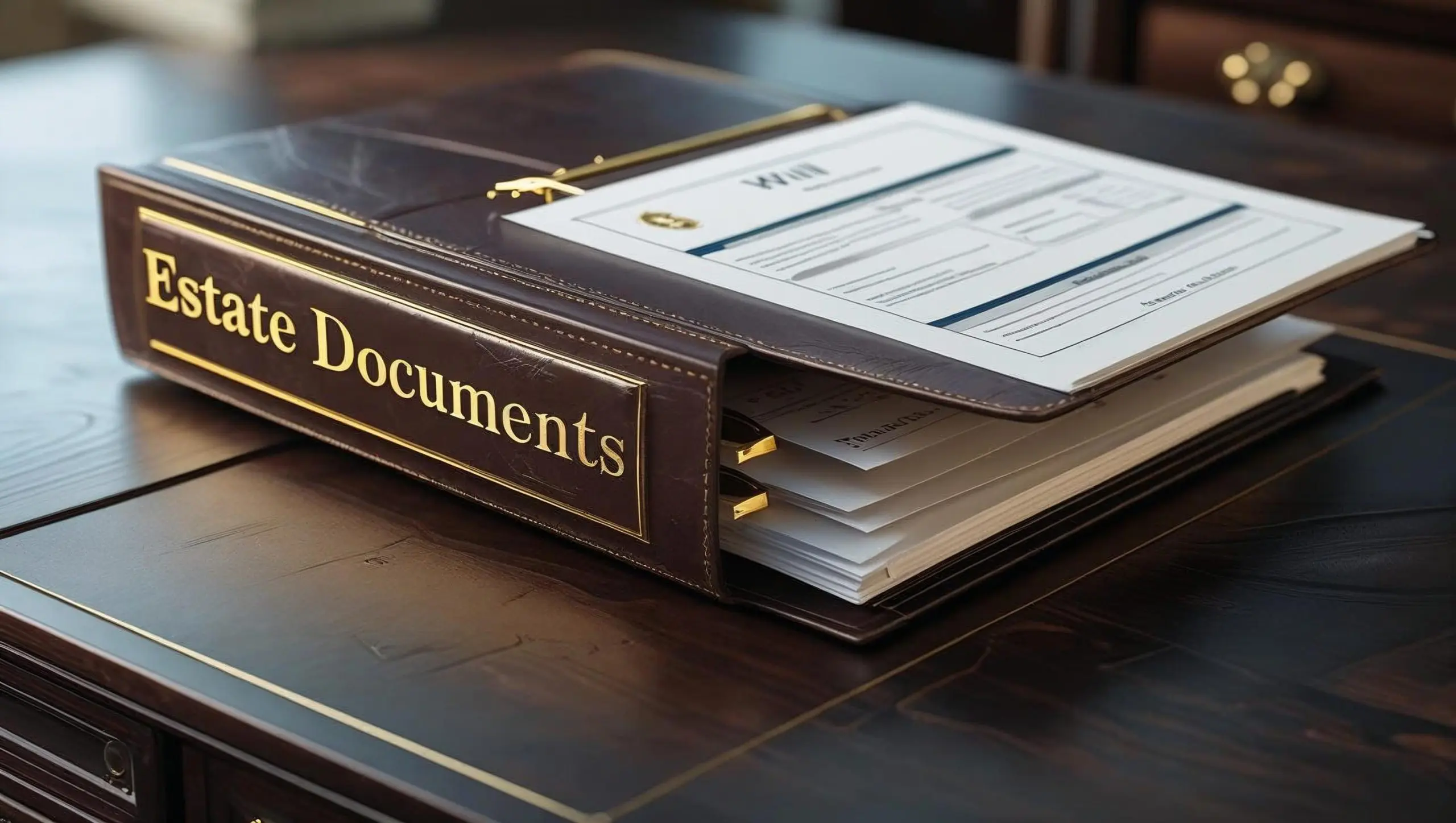
- Signed copy of the trust document
- Schedule of assets in the trust
- Copies of property deeds, account confirmations, etc.
- Contact info for your attorney and trustee(s)
Would you like a downloadable checklist version of this?
Where to Get It:
- Estate planning attorneys (strongly recommended)
- Trust & Will for simpler estates
Medicare Made Simple
Medicare can be complicated – so let us break it down for you! Get our quick and easy guide, Medicare Made Simple!
Get the Guide!4. Organize Insurance and Financial Accounts (Very Important)
Life Insurance Policies
- Locate all policies and update beneficiaries
- Make sure someone knows how to claim them
Long-Term Care Insurance
- Gather the policy
- Understand benefit triggers
- Know how and when to file a claim
Bank and Investment Accounts
- List all institutions and account numbers
- Note how each account is titled (individual, joint, in trust?)
- Add Transfer-on-Death (TOD) designations if applicable
Retirement Accounts (IRA, 401k, etc.)
- Confirm beneficiaries are up to date
- Print copies of current statements
Real Estate
- Identify all properties owned
- Look at current deeds and ownership structure
- Consider if the home should be titled in a trust
5. Secure Personal Identification and Records (Important)
Vital Records:
- Birth certificate
- Social Security card
- Medicare card
- Driver’s license or state ID
- Marriage/divorce certificates
Why It Matters: These are needed for applying for benefits, insurance claims, or when accessing retirement accounts.
Military Records (DD-214)
Purpose: Required for burial in a VA cemetery and certain veteran’s benefits
Where to Get It:
6. Final Arrangements (Helpful, But Not Urgent)
Funeral and Burial Instructions
- Prepaid burial or cremation plans
- Preferred funeral home
- Obituary wishes
- List of people to notify
Why It Helps: Avoids family stress and guesswork during a difficult time.
Legacy Letters or Ethical Wills
- Letters to children or grandchildren
- Personal messages or life lessons
Not legally binding, but emotionally meaningful.

Everyone Needs a Little Help Sometimes
There’s so much to know when it comes to lifestyle choices for Older Adults, it’s hard to know even where to begin. One way is to simply click on the button below and let one of our coaches give some guidance – at no cost to you.
Get Help Now7. Digital Accounts and Passwords (Nice to Have)
Password Manager or Digital Vault
- Record logins for banking, insurance, email, utilities, etc.
- Tools like LastPass, 1Password, or a secure spreadsheet
Bonus Tip: Include instructions for accessing cell phones or computers
8. Where to Store It All
Once you have the documents, store them in a secure and accessible place. Make sure multiple people know where to find them in an emergency.
Recommended Storage:
- Fireproof safe at home
- Secure cloud storage (e.g. Dropbox, Google Drive)
- With your estate attorney (if applicable)
- A binder labeled “Family Emergency File”
Bonus: Include a checklist of all documents with dates last updated.
9. How to Hold the Family Meeting
Tone is everything. This isn’t about death and fear—it’s about peace of mind and protecting family.
Meeting Tips:
- Invite all adult children and key decision-makers
- Be honest, but calm and reassuring
- Focus on the benefits: control, clarity, less stress
- Follow a checklist (use this article as a guide)
- Assign follow-up tasks and set deadlines
Final Thoughts
Taking care of this paperwork is one of the greatest gifts your parents can give you. It saves heartache, conflict, and confusion during the times you need clarity and unity most.
Start with the essentials: powers of attorney, health directives, and a simple will or trust. Then build from there. You don’t need to finish it all in one weekend. But you do need to start.
If you’d like a printable checklist or help locating the right forms or professionals, reach out to a local elder law attorney, estate planner, or trusted family advisor.
Preparing now means peace later—for everyone.
Download a Printable Copy of this Checklist
