

Seb Frey is a REALTOR® and founder of Team Sixty Plus, a curated network connecting older adults and their families with trusted professionals across California. With decades of experience helping homeowners 60+ navigate major life transitions—like downsizing, aging in place, or passing on a legacy—Seb brings deep market knowledge, a compassionate approach, and a commitment to simplifying complex decisions. When he’s not advising clients, he’s sharing expert insights on real estate, retirement strategies, and quality-of-life resources for the 60+ community.
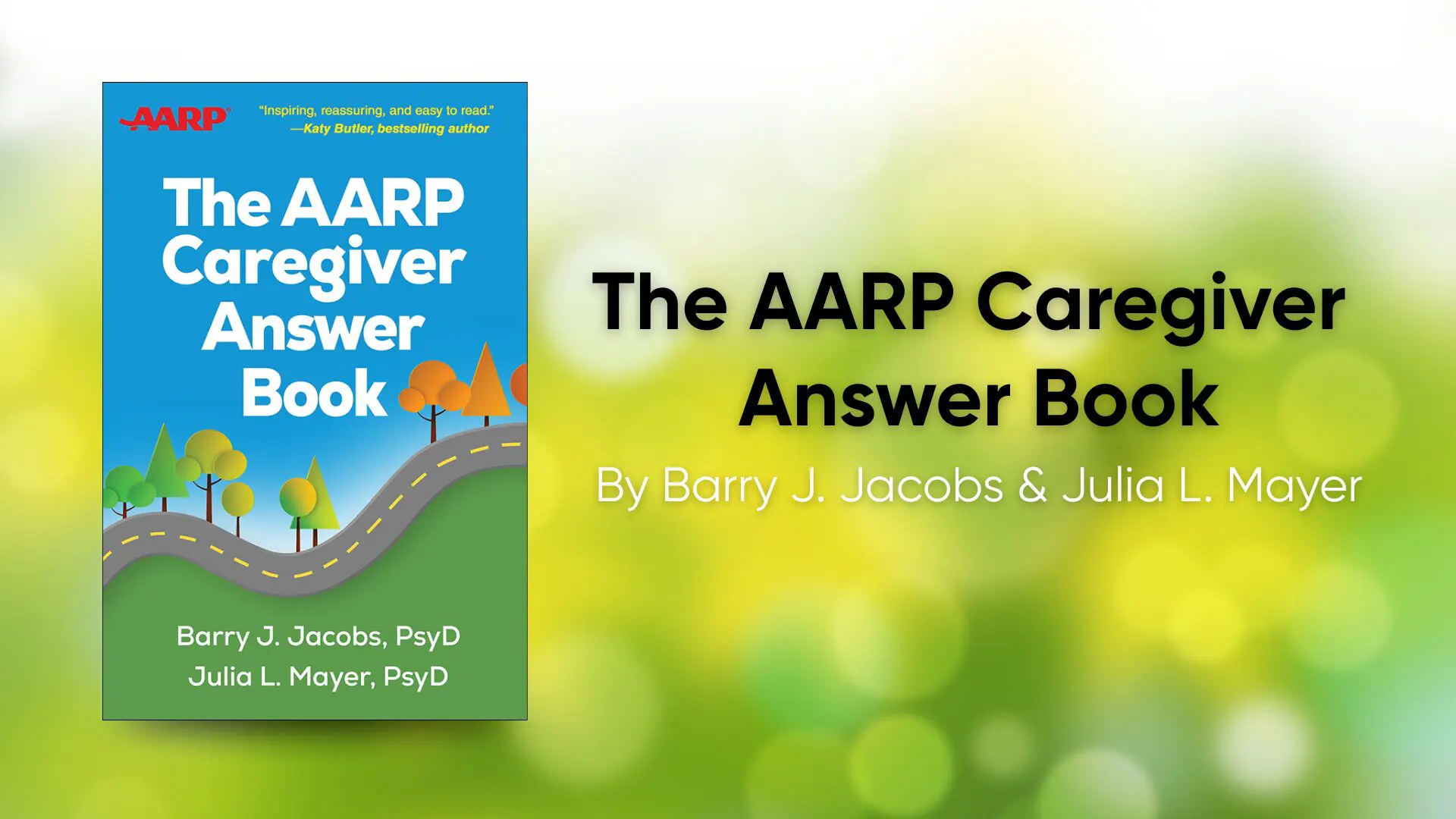
Caring for a loved one, whether a parent, partner or friend, can be deeply rewarding, but it also often becomes physically, emotionally and financially demanding. For the millions who step into the role of unpaid family caregiver each year, what they often need is clear guidance, honest reflection, and practical tools. That is exactly the promise of The AARP Caregiver Answer Book by Barry J. Jacobs and Julia L. Mayer.
In this review, I’ll walk you through what the book offers, its structure, strengths and weaknesses and help you decide whether it might be a fit for you or someone you care about. My hope is to give a full, easy-to-read evaluation, with enough detail so you can judge its usefulness in your caregiving journey.
Retirement Planning for Older Adults
Are you a little late to the retirement planning game? Get this comprehensive guide and get caught up!
Get the Guide!What the Book Is About
At its core, this book is a question-and-answer guide for caregivers. According to the publisher and book descriptions:
- It is written in a Q&A format, making it “easy to navigate” and aimed at assisting those providing unpaid care to family, friends or neighbors.
- It addresses major caregiving questions: “How do I coordinate the care my loved one needs? How can I get other relatives to pitch in? Who pays for all this?”
- The authors, husband and wife psychologists, draw from both professional experience (clinicians working with caregivers) and their personal roles as caregivers themselves.
- The book’s Table of Contents (in brief) covers topics such as:
- Welcome to caregiving
- Assessing your situation
- Taking care of yourself, too
- Communicating with dignity
- Caring for a parent
- Caring for a partner
- Caring for someone with cognitive impairment
- Day-to-day caregiving at home
- Caregiving in a facility and from a distance
- The high cost of caregiving
- Collaborating with siblings and oth
- Partnering with helping professionals
- When the end is in sight, and afterward
So, the book intends to serve as a kind of handbook, not just for the initial shock of “I’m now a caregiver” but throughout the long arc of caregiving.
Who Should Read It
If you’re wondering whether this book is for you, here are some situations where it might be especially helpful:
- You’ve recently become a caregiver (for a parent, spouse or friend) and feel unsure about what to expect.
- You’ve been caregiving for a while and are facing new challenges, perhaps sibling conflict, distance caregiving, or caring for someone with dementia.
- You want accessible guidance, not overly academic, but more than just anecdotes. You want practical tools, insights and validation.
- You’re part of a broader caregiving network and want something to share (with siblings, adult children, friends) to promote conversation.
It may be less useful if you:
- Only need a very narrow niche topic (e.g., just how to navigate Medicaid in your country) and the primary focus is policy rather than emotional coping.
- Prefer deep, academic-level research on caregiving rather than a broad “what you want to know” style format.
- Are seeking quick tips only and are not ready to engage with the emotional, relational and strategic challenges of caregiving.
Many family caregivers discover that preparing early makes all the difference when a loved one’s needs increase. For guidance on recognizing when that time has come, see How to Know When Your Parents Need to Move Into Assisted Living.
What I Liked
From my reading and reviews I encountered, these are the key strengths of the book:
1. Very Practical and Accessible
The Q&A format helps in making topics digestible. Many reviewers say the questions feel very real, grounded in daily life. For example:
“The questions and answers are so very real, heartfelt, and honest. I love the term ‘care receiver’; the emphasis on the dignity of that person resonates deeply.”
Sections such as “Taking Care of Yourself, Too” acknowledge the often-ignored reality of caregiver burnout. The authors even include an excerpt that addresses caregivers saying, “I don’t have any time for myself.” AARP
2. Broad Scope – From Self, to Family, to Finances
Rather than focusing only on medical tasks or only on emotional coping, it covers a wide spectrum:
- Assessing the caregiving situation
- Daily caregiving tasks
- Communication (within family, with professionals)
- Money, cost of care, collaborating with siblings
- Distance & facility caregiving
- End-of-life issues and what comes after
This makes the book valuable for someone who anticipates their caregiving role may shift over time.
3. Authorship Credibility & Empathy
The authors bring both professional expertise and personal caregiving experience. That dual lens helps anchor their advice in practical reality. As one review puts it:
“Having cared for my husband during his 12-year journey with dementia, I could tell immediately that the authors of this book have been in the trenches.”
That kind of acknowledgement, “we’ve been there”, helps because caregiving is rarely just technical. It’s deeply emotional.
4. Usefulness as a Reference Book
Because of the format, reviewers say you’ll “return to it at every step of the journey.” It’s not just a book to read once, but one you might keep on your shelf and pull open when a new challenge arises (e.g., sibling dynamics, paying for care, hiring aides, etc).
The emphasis on realistic, compassionate caregiving echoes one of our most-read guides. For a deeper look at balancing emotional, financial, and physical caregiving challenges, read Everything You Need To Know About Long-Term Care Insurance.
Key Content Highlights & Examples
Here are some standout areas with example takeaways that illustrate what the book delivers:
Self-Care for the Caregiver
One of the early chapters (Chapter 3: Taking Care of Yourself, Too) tackles a question many avoid: “People tell me to remember self‐care. What do they mean by that, and why does it matter?”
Takeaways:
- Self-care isn’t optional. Even if the person you’re caring for has more obvious needs, neglecting your own well-being is risky over the long view.
- Time-management techniques and small tweaks (rather than major lifestyle overhaul) may be more realistic.
- The authors normalise feelings of guilt and exhaustion, making it feel okay to admit: “I’m overwhelmed.”
Communication and Family Dynamics
Communication and managing relationships, both with the person you are caring for and with other family members, gets its own chapter.
Takeaways:
- The term “care receiver” (used by the authors) underscores the dignity of the person being cared for, which sets a tone of respect and relationship, not just “task.”
- The book explores how to get siblings or adult children engaged (or re-engaged) in caregiving, which is a frequent real-world issue.
Financial and Structural Concerns
In Chapter 10: The High Cost of Caregiving, the book addresses the complex intersection of finances and care.
Takeaways:
- Caregiving often involves hidden costs: time off work, travel, home modifications, hired aides, etc.
- The authors encourage early conversations about budget, insurance, long-term care options, and realistic expectations.
- The book doesn’t replace a financial planner, but it helps you ask the right questions and spot red flags.
The book’s advice on anticipating financial strain pairs well with broader planning resources. Learn how to prepare for major expenses and protect your assets in Upgrade Your Legacy: Why a Living Trust Matters.
Caring for Someone with Cognitive Impairment
Chapter 7 tackles one of the hardest caregiving situations: when the loved one has dementia or other cognitive decline.
Takeaways:
- The authors address how to align care with preserving dignity and autonomy wherever possible.
- They also help readers anticipate the changing nature of caregiving, what worked early on may not work later.
- Practical tips, like effective communication when memory is impaired, deciding when to transition out of the home, and when to seek professional help, are covered.
End-of-Life & Afterward
Chapter 13: When the End is in Sight, and Afterward does something many caregiving books avoid: it talks about what happens after the primary caregiving role ends.
Takeaways:
- It acknowledges grief, relief, guilt, and changing identity (the “caregiver” role ends but the emotional journey continues).
- It encourages preparation, not just for medical/logistical end-of-life issues but for your own life after caregiving: “What happens to you?”
The realities of dementia care require patience, compassion, and structure. For more on understanding and supporting loved ones through memory loss, visit How to Recognize Early Signs of Dementia in Your Parents.
Tap Into your Home Equity
Need to raise some cash to pay for home improvements, or anything else? Get our Guide on Creative Ways to Tap Into Home Equity
Get our Guide!Anecdotes and How They Help
While the book is structured around Q&A, there are anecdotal references and stories that bring the guidance to life. For example:
- The excerpt in AARP’s online piece begins with a caregiver‘s comment: “I don’t have any time for myself. My husband has Parkinson’s disease, and our youngest son has autism…” and how the authors respond to that real-life statement.
- Reviewers mention that the tone of the book makes you feel “validated” by seeing your own thoughts or questions reflected in the text.
These stories, short as they may be, help the book move beyond “how‐to” into “I know what this feels like”, and for many caregivers that is comforting in itself.
Real-World Impact: Why It Matters
Some statistics and context help clarify why a book like this is timely:
- According to sources referenced in the book’s description (and consistent with broader caregiving research), millions of individuals in the U.S. become unpaid family caregivers annually.
- Caregiving burden often includes emotional stress, physical fatigue, financial strain and social isolation. Many caregivers report feeling unprepared.
- Having a resource that helps you ask the right questions early can make a difference in both the quality of care for the loved one and the well-being of the caregiver.
In short: caregiving isn’t a side-effect of aging, it has become a major role many adults assume, often without training. A guidebook that takes into account the full spectrum of caregiving tasks, decisions and emotions is a real benefit.
My Overall Verdict
The AARP Caregiver Answer Book is a strong recommendation for adult readers who are caring for, or expecting to care for, a loved one. It bridges the practical and emotional in a readable, accessible way.
What it does well:
- Offers clear structure and navigable format (ideal for when you need to look up a question).
- Balances realistic portrayal of caregiving’s difficulty with hopeful, constructive tools.
- Covers wide territory so it stays relevant as your caregiving journey evolves.
- Written by authors with credible expertise and lived experience.
What to keep in mind:
- It is anchored in the U.S. care-system context; if you are outside the U.S., expect to adapt some advice.
- It is broad rather than ultra-specialised; you may need additional resources for highly technical, legal or medical issues.
- The emotional honesty is a plus, but also means the book doesn’t sugar-coat what caregiving can cost.
While the book offers broad guidance, pairing it with real-world examples and planning tools makes it even more effective.
You can build on its lessons by reading The Family Meeting Guide to Emergency Planning: Essential Paperwork for Aging Parents.
Everyone Needs a Little Help Sometimes
There’s so much to know when it comes to lifestyle choices for Older Adults, it’s hard to know even where to begin. One way is to simply click on the button below and let one of our coaches give some guidance – at no cost to you.
Get Help NowFinal Thoughts & Encouragement
If you find yourself in the midst of caregiving, or know that it’s coming, this book can become a trusted companion. You won’t read it once and forget it. Instead, it’s something to revisit when new questions pop up: “How do I have this conversation with siblings?” “When should we consider moving Mom to assisted living?” “What about my own health?”
I encourage you to do the following:
- Read with a highlighter or bookmark: mark those questions that hit home and return to the relevant sections.
- Share with your caregiving team (siblings, spouse, friends): using it as a common reference can help smooth difficult conversations.
- Keep it handy: whether as a physical copy or eBook, so when a crisis or decision point arises, you don’t have to hunt for guidance.
- Use it as a starting point, not the final word: combine its insights with local services, financial/legal advisors and support networks.
In conclusion: caregiving is challenging, but you don’t have to go it alone, or feel like you have to figure everything out from scratch. The AARP Caregiver Answer Book offers a wise and compassionate roadmap through a demanding journey.
Caregiving is one of the most demanding and meaningful roles we can take on. To discover how self-care fits into that journey, check out How to Stay Positive and Motivated as You Age.