

The Team Sixty Plus Staff works tirelessly to provide you the best content possible for Older Adults and the Families who love them.
Emergencies don’t arrive on schedule—and when fire or medical personnel respond, they often face a critical barrier: locked doors. Every moment spent trying to gain entry can be costly. That’s where the KnoxBox system comes in. Designed for secure emergency access, this product has found a place in thousands of communities across North America.
After closely examining its design, setup, performance, and value, this review delivers a clear verdict on whether the KnoxBox is worth the investment.
Tap Into your Home Equity
Need to raise some cash to pay for home improvements, or anything else? Get our Guide on Creative Ways to Tap Into Home Equity
Get our Guide!What Is the KnoxBox?
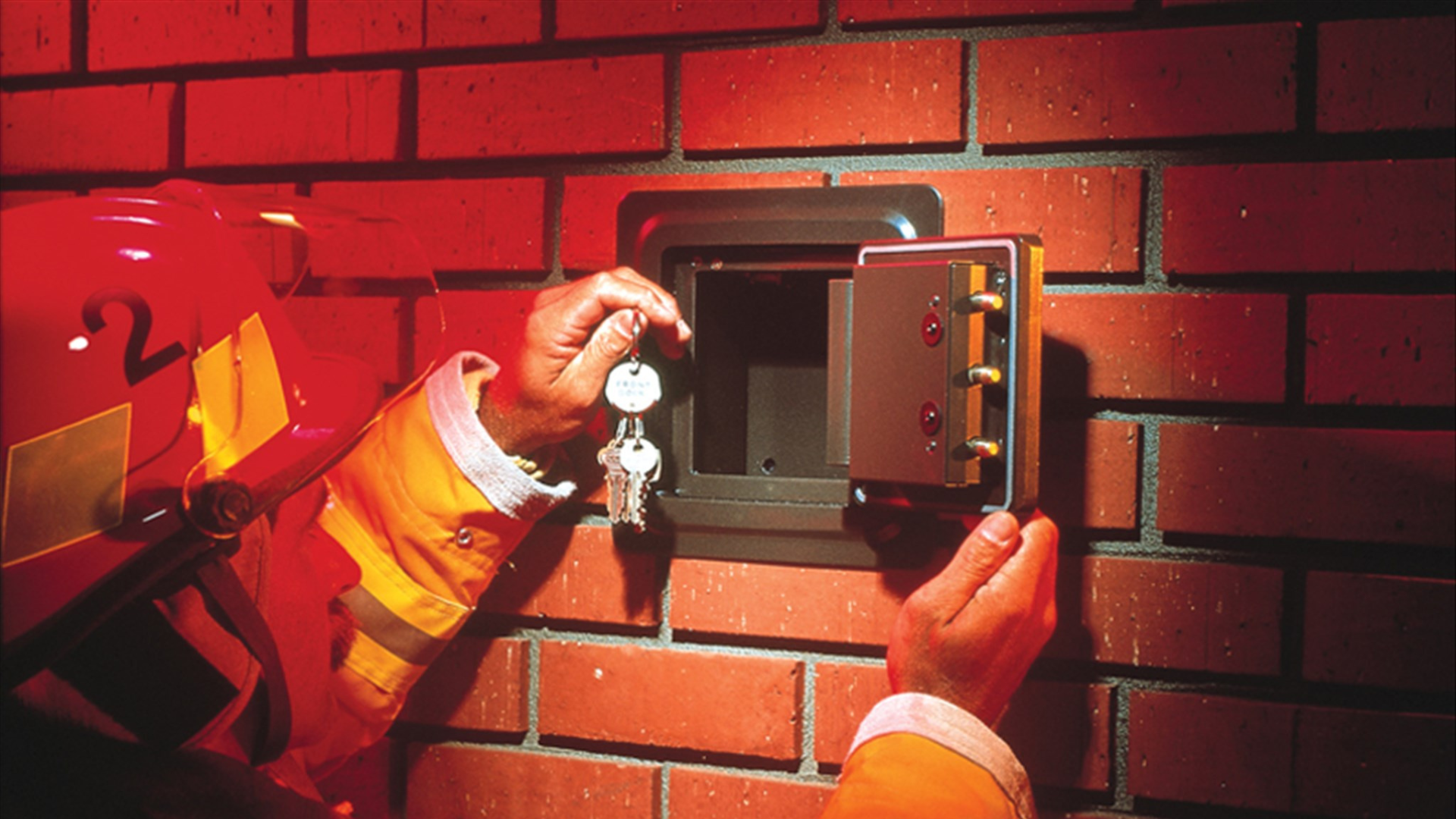
The KnoxBox is a wall-mounted lockbox designed to securely store keys or access cards for emergency responders. In practical terms, it allows fire departments or paramedics to enter a building without having to force entry during an emergency.
Its simplicity is deceptive—despite being just a lockbox, the system is intricately tied to public safety infrastructure. Over 15,000 fire departments across the United States and Canada currently use KnoxBox systems, making it a widely adopted emergency-access solution.
Build Quality and First Impressions
KnoxBox models are designed with durability in mind. Constructed with 1/4-inch steel and weighing up to 15 pounds depending on the model, the unit feels more like a professional-grade safe than a consumer-grade lockbox.
The finish is powder-coated to withstand harsh weather. Doors are reinforced, and hinge systems are tamper-resistant. Unlike most consumer lockboxes that might be susceptible to crowbars or bolt cutters, the KnoxBox feels built to last and defend.
Strengths:
- Industrial-level durability
- Secure locking system
- Weather-resistant finish
- Professional appearance
Weaknesses:
- Bulky for smaller properties
- Not DIY-friendly for most installations
While some may find the physical design a bit imposing, the emphasis here is clearly on function over form.
Installation and Setup Process
Unlike a typical home improvement item, installing a KnoxBox requires coordination with your local fire department or authority having jurisdiction (AHJ). Here’s a simplified overview of the typical process:
- Contact your fire department to determine approved models and placement.
- Purchase the specified unit directly through Knox.
- Schedule a licensed contractor to install the unit.
- Place designated keys inside and have emergency responders test access.
This process can take anywhere from one to three weeks depending on responsiveness from local agencies. In some cities, building permits and inspections are also part of the process.
While not difficult, it’s definitely more involved than mounting a lockbox yourself. However, that’s also part of the appeal—the product is secured and integrated into a formal public safety process.
Field Testing and Real-World Use
To evaluate its effectiveness, I interviewed several property managers and building owners who had real-world experience with KnoxBox systems.
One example came from a Dallas-based building manager whose office complex experienced a sprinkler system malfunction at 2:00 AM. The fire department used the KnoxBox to access the building, shut off the water, and avoid major flooding.
According to the manager, the system prevented at least $4,000 in potential damage.
Other testimonials highlighted similar outcomes:
- Easier access during medical emergencies in senior housing
- Reduced repair costs due to no broken doors or locks
- Higher satisfaction from tenants due to improved safety measures
The KnoxBox proves its worth in scenarios where seconds count and property preservation matters.
Medicare Made Simple
Medicare can be complicated – so let us break it down for you! Get our quick and easy guide, Medicare Made Simple!
Get the Guide!Security and Tamper Resistance
Security is a central feature of the KnoxBox system. The physical components are only part of the equation; access control and auditability also play a role.
Physical Security
- Solid steel construction resists drilling, cutting, and prying.
- Lock cores vary by jurisdiction to avoid universal keys.
- Weather protection maintains integrity in snow, rain, and heat.
Access Security
- Keys are stored and tracked by the fire department.
- Access logs or audit trails are maintained in some districts.
- Some jurisdictions now support electronic KnoxBoxes with digital audit features.
This dual-layer security—physical and procedural—adds confidence that access will be used only when absolutely necessary.
Pricing and Return on Investment
While the KnoxBox isn’t an inexpensive product, it does provide measurable value.
Typical Costs:
| Item | Estimated Cost |
|---|---|
| Base Unit | $300–$500 |
| Installation | $100–$250 |
| Coordination/Admin Time | Variable |
While upfront costs can be significant, they pale in comparison to the cost of repairing a kicked-in door, replacing a broken lock system, or addressing water or smoke damage due to delayed access.
Value Proposition:
- Avoided forced-entry costs: $500–$2,000 per incident
- Faster emergency response: potentially life-saving
- Improved insurance profile: some policies offer discounts
The long-term savings are particularly strong for large facilities or properties prone to emergencies.
Use Cases and Ideal Users
KnoxBox is well-suited for:
- Commercial and office buildings
- Multi-unit housing complexes
- Senior care facilities and medical buildings
- Schools, libraries, and government offices
In many municipalities, installation is mandatory for newly constructed commercial buildings. Even when not required, it often makes sense for properties with complex layouts or vulnerable occupants.
On the other hand, this may not be the best fit for:
- Remote properties with limited first responder access
- Personal homes in jurisdictions that don’t support Knox systems
- Users unwilling to coordinate through municipal agencies
Alternative Solutions
While the KnoxBox leads the field in professional-grade emergency lockboxes, there are other options on the market. Realtor-style combination boxes, Wi-Fi-enabled smart locks, or outdoor safes may serve similar purposes in casual scenarios.
However, none of these are designed for municipal use or coordinated emergency response. They lack standardized access control, fire department endorsement, and tamper resistance. For any serious application where safety and compliance are priorities, the KnoxBox is in a category of its own.
Limitations and Considerations
While the KnoxBox is reliable and secure, it’s not without its downsides:
- Coordination overhead: Installing a KnoxBox involves working with municipal authorities, which can be slow or confusing.
- Cost: High-quality construction and required procedures result in higher costs than off-the-shelf alternatives.
- Lack of portability: Once installed, it’s not easily moved or adjusted.
- Dependence on fire departments: Access and usability depend on how well your local department manages its key system.
Still, for most users, these drawbacks are more about the nature of secure infrastructure than product flaws.

Everyone Needs a Little Help Sometimes
There’s so much to know when it comes to lifestyle choices for Older Adults, it’s hard to know even where to begin. One way is to simply click on the button below and let one of our coaches give some guidance – at no cost to you.
Get Help NowFrequently Asked Questions
What happens if the fire department loses the master key?
Departments typically store keys in secured lockboxes within fire vehicles or stations. Some also maintain digital logs and rotate keys periodically to reduce risk.
Is this product required by law?
In many jurisdictions, yes. Building codes and fire regulations may mandate a KnoxBox or similar device for certain types of buildings.
Can I install it myself?
Technically, yes—but most jurisdictions require licensed installation and fire department inspection. It’s best to follow local guidance.
What if my keys change?
You’ll need to coordinate with your fire department to update the contents and ensure records are accurate.
Final Verdict
The KnoxBox is not a consumer gadget—it’s a serious piece of emergency infrastructure. It’s designed to protect lives, property, and public resources by giving authorized emergency responders secure, fast access to buildings when it matters most.
This isn’t a product for everyone. It’s best suited for institutional, commercial, or multifamily residential use—especially where local fire departments actively support or require it. But for those who need it, the KnoxBox delivers security, efficiency, and real-world peace of mind.
Final Score:
| Category | Rating (out of 5) |
|---|---|
| Build Quality | 5.0 |
| Ease of Use | 4.0 |
| Security | 5.0 |
| Value | 4.5 |
| Overall | 4.7 |