

Seb Frey is a REALTOR® and founder of Team Sixty Plus, a curated network connecting older adults and their families with trusted professionals across California. With decades of experience helping homeowners 60+ navigate major life transitions—like downsizing, aging in place, or passing on a legacy—Seb brings deep market knowledge, a compassionate approach, and a commitment to simplifying complex decisions. When he’s not advising clients, he’s sharing expert insights on real estate, retirement strategies, and quality-of-life resources for the 60+ community.
For many people, the idea of growing older at home feels both comforting and practical. Home is where routines are familiar, memories are built, and daily life feels more manageable. As we age, however, our needs can shift in subtle but important ways. Tasks that once felt effortless, climbing stairs, reaching for items, stepping into the shower, can gradually become more challenging.
Aging in place is not just about staying in the same house. It is about making thoughtful adjustments so that the home continues to support safety, independence, and comfort over time. These changes do not need to be overwhelming or expensive. In many cases, small, well-considered modifications can make a meaningful difference.
Understanding What Aging in Place Really Means
Aging in place is often described as staying in your own home as you grow older, rather than moving to assisted living or another care setting. But in practice, it is less about location and more about function.
A home that works well at age 40 may not work the same way at 70 or 80. Vision may change. Balance may not feel as steady. Strength and mobility can shift. These changes do not happen overnight, but they do influence how a person interacts with their environment.
The key idea behind home modification is simple: adapt the environment instead of forcing the person to adapt to it. When a home supports everyday activities, walking safely, bathing comfortably, preparing meals without strain, it allows older adults to maintain independence longer. It also reduces the risk of falls, injuries, and unnecessary stress.
Planning early can make the process much smoother and less overwhelming over time. Instead of reacting to a problem after it happens, thoughtful preparation allows changes to be made gradually and with intention. This gives you time to consider what adjustments will best support comfort, safety, and independence without feeling rushed. Small, proactive updates can help a home evolve naturally while remaining familiar and easy to navigate.
For a deeper look at how to approach this thoughtfully, you may find this guide on How to Safely Age in Place: A Practical Guide helpful in understanding the bigger picture.
Starting with Safety: Reducing Fall Risks
Falls are one of the most common concerns for older adults, and many of them happen at home. The good news is that many of these risks can be reduced with straightforward, practical changes. One of the first areas to look at is flooring, as loose rugs, uneven surfaces, and cluttered walkways can easily lead to trips. Securing rugs with non-slip backing or removing them altogether, along with keeping pathways clear, especially in hallways and living areas, can make everyday movement safer and more predictable.
Lighting also plays a major role in preventing falls. Dim or uneven lighting can make it harder to notice obstacles or changes in floor level, increasing the risk of missteps. Adding brighter bulbs in key areas like entryways, staircases, and bathrooms can significantly improve visibility. Motion-sensor lights or night lights are especially helpful during nighttime, allowing for safer movement without the need to search for switches in the dark.
Stairs deserve special attention, as they present a higher risk for falls if not properly supported. Installing sturdy handrails on both sides provides better balance and stability. If stairs are frequently used, ensuring they are well-lit and that the edges are clearly marked can help reduce the chance of slips or missed steps.
While each of these adjustments may seem small on its own, together they create a safer and more supportive home environment. By making these thoughtful changes, older adults can move with greater confidence, maintain independence, and reduce the likelihood of preventable injuries.
For additional practical steps, explore these Top 10 Things to Do to Reduce the Risk of Falling in Your Home to further improve everyday safety.
Family Guide for Aging in Place
For Families with Older Adults who are looking to help with a Parent with Aging in Place!
Get the GuideBathroom Modifications for Comfort and Stability
The bathroom is one of the most important areas to address when planning for aging in place, as it is also one of the most common locations for slips and falls due to water and smooth surfaces. A practical starting point is the shower or bathtub, since stepping over a high tub wall can become more difficult over time. Converting to a walk-in shower or installing a low-threshold entry can make access safer and more manageable, while adding non-slip mats or textured flooring helps reduce the risk of slipping.
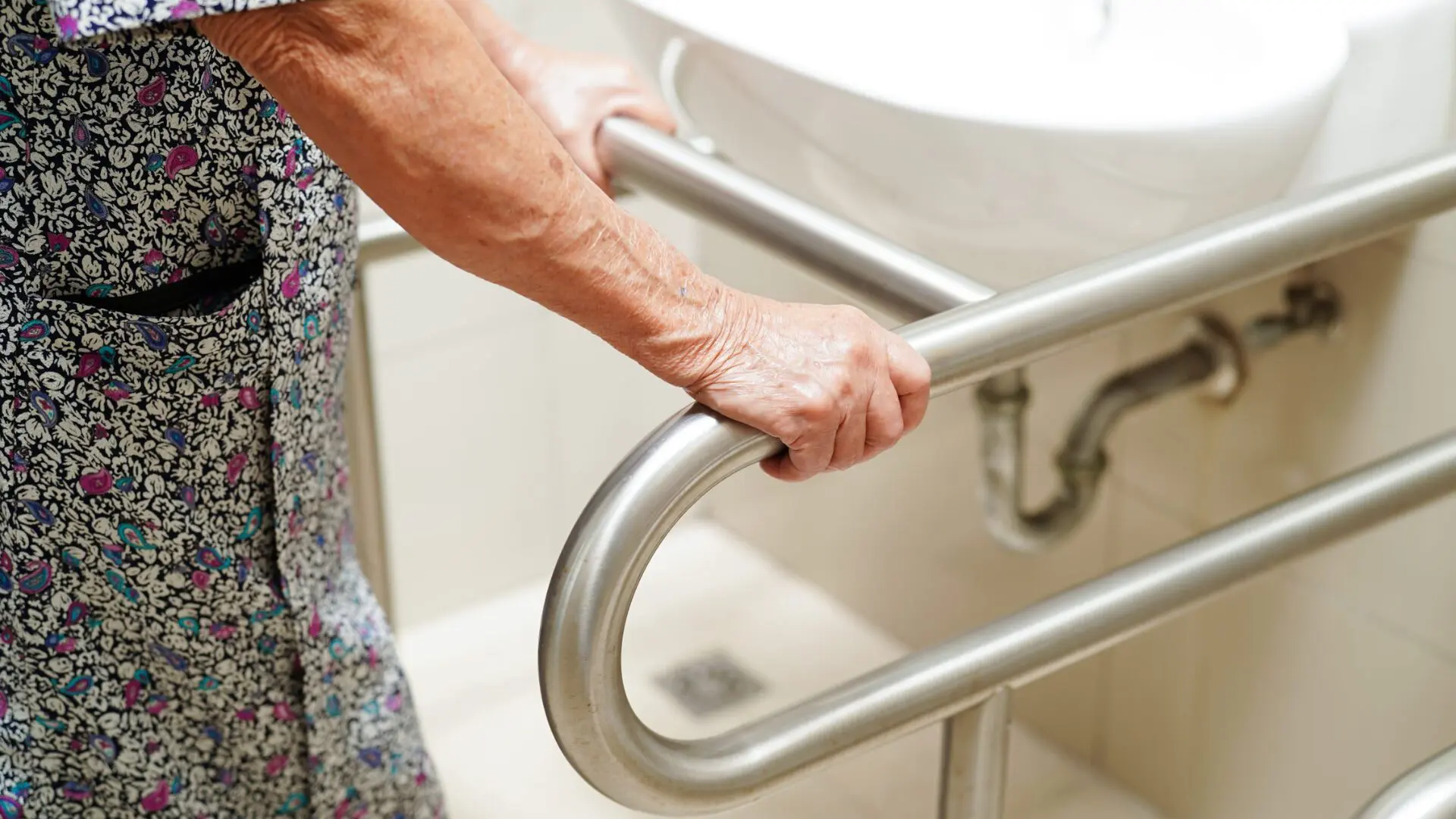
Another key improvement involves adding properly installed grab bars in strategic areas such as near the toilet, shower, and bathtub. These provide reliable support during movement and help reduce strain on joints, especially when sitting down or standing up. It is important that grab bars are securely anchored to handle body weight, ensuring both safety and confidence in daily use.
Comfort can also be improved by incorporating a shower seat or bench, allowing individuals to sit while bathing rather than stand for extended periods. This simple addition can reduce fatigue and make the experience feel more relaxed and controlled. In the toilet area, a raised toilet seat or comfort-height toilet can make sitting and standing easier, minimizing unnecessary strain on the knees and hips.
While each of these updates may seem like a small adjustment on its own, together they create a bathroom that is safer, more comfortable, and easier to use every day. Thoughtful modifications in this space can significantly reduce risk while supporting independence and overall well-being.
If you are looking for simple upgrades that make a big difference, this resource on The 5 Least Expensive Yet Most Impactful Aging-in-Place Home Modifications offers useful ideas.
Making the Kitchen More Accessible
The kitchen is often the heart of the home, and maintaining independence here plays an important role in both nutrition and daily satisfaction. One common challenge is reaching for items stored in high cabinets or low shelves, which can lead to strain or imbalance. Rearranging frequently used items so they are within easy reach, ideally between waist and shoulder height, can make everyday tasks safer and more comfortable.
Storage solutions can also make a meaningful difference. Pull-out shelves and drawers allow items to be accessed without bending deeply or reaching far into cabinets, while features like lazy Susans or rotating trays help make corner spaces more practical and accessible. These small changes reduce physical effort and make the kitchen easier to navigate.
Appliance placement is another important consideration. Positioning a microwave at counter height instead of above the stove helps avoid lifting hot items overhead, reducing the risk of spills or burns. Similarly, lever-style faucet handles are easier to use than traditional knobs, especially for those with arthritis or reduced hand strength, making simple tasks like washing dishes less taxing.
Good lighting is essential for both safety and ease of use. Adding task lighting under cabinets can improve visibility when preparing food, helping prevent mistakes or accidents. While these adjustments may seem simple, together they create a kitchen that supports confidence, independence, and a more enjoyable daily routine.
Improving Mobility Throughout the Home
As mobility changes over time, the layout of the home becomes increasingly important in supporting comfort and independence. One of the most effective long-term strategies is creating a living space that functions primarily on one level. If possible, having a bedroom, bathroom, and kitchen on the same floor can reduce the need to use stairs regularly and make daily routines more manageable.
Planning for accessibility in advance can also help avoid more complex renovations later. Doorways and hallways should be wide enough to accommodate walkers or other mobility aids if they become necessary, even if they are not needed right now. Making these adjustments early allows the home to adapt more easily as needs evolve.
Flooring is another key factor in safe movement throughout the home. Surfaces should be smooth and consistent between rooms to reduce tripping hazards, and transitions between different flooring types should be as seamless as possible. In addition, thoughtful furniture arrangement, leaving enough space to move freely in commonly used areas—can help prevent accidents and improve overall flow.
If steps are unavoidable, adding features such as ramps or stairlifts can provide additional support and make multi-level homes more accessible. While each of these changes may seem gradual, together they create a home environment that is easier to navigate, safer to move through, and better suited for maintaining independence over time.
Entryways and Outdoor Access
Getting in and out of the home safely is just as important as moving around inside, especially as mobility and balance change over time. Entryways are often the first place where challenges appear, particularly when steps are involved. Installing a ramp or adding sturdy handrails on both sides of the steps can make entry and exit more manageable, while ensuring that outdoor surfaces are slip-resistant helps reduce the risk of falls in wet or uneven conditions.
Lighting plays a key role in making entrances safer and easier to navigate. Well-lit entry points improve visibility during the evening or early morning hours, helping to prevent missteps. Motion-sensor lights can be a convenient addition, automatically providing illumination without the need to fumble for switches in the dark.
Door hardware is another simple but important detail to consider. Lever-style handles are generally easier to use than traditional round knobs, particularly for individuals with limited grip strength or joint discomfort. For those using mobility aids, widening doorways or ensuring thresholds are low and smooth can also make a noticeable difference in ease of access.
Together, these adjustments create an entrance that feels safer, more welcoming, and easier to use on a daily basis. A well-designed entryway sets the tone for the rest of the home, supporting confidence and independence from the moment someone arrives or leaves.

Time to Downsize?
Discover the joy of letting go! Our guide to Downsizing helps you downsize with ease.
Bedroom Adjustments for Better Rest and Safety
The bedroom should be a place of rest, but it also needs to support safe movement, especially during the night when visibility and balance may be reduced. One important factor to consider is bed height, as a bed that is too high or too low can make getting in and out more difficult. Ideally, when sitting on the edge of the bed, feet should rest flat on the floor to provide stability and reduce strain.
Lighting is another key element in creating a safe bedroom environment. Placing a lamp or light switch within easy reach of the bed can minimize the need to move in the dark, while night lights along the path to the bathroom can help guide movement and prevent missteps. These small additions can make nighttime routines feel more manageable and less stressful.
Keeping essential items such as glasses, medications, or a phone within arm’s reach also adds convenience and reduces unnecessary movement during the night. For those who need extra support, bed rails can offer added stability when getting in and out of bed, helping to prevent slips or loss of balance.
When thoughtfully arranged, the bedroom can provide both comfort and safety. These simple adjustments not only reduce nighttime risks but also contribute to better sleep, greater confidence, and an overall sense of ease and peace of mind.
Smart Home Features That Support Independence
Technology can play a helpful role in making aging in place easier, especially when it is used thoughtfully and with simplicity in mind. Tools like smart lighting systems can be controlled by voice or through easy-to-reach switches, reducing the need to move around in the dark. Automated thermostats can also help maintain a comfortable indoor environment without requiring frequent manual adjustments.
Safety-focused technology can provide added peace of mind. Video doorbells and home security systems allow residents to see who is at the door without needing to rush, which can be especially helpful for those with limited mobility. These features not only improve convenience but also help create a greater sense of control and security within the home.
Medical alert systems are another valuable option, offering a quick and reliable way to call for help in case of a fall or emergency. This can be reassuring not only for the individual using the device but also for family members who may be concerned about their well-being. Many of these systems are designed to be worn comfortably and used with minimal effort.
While technology offers many benefits, it is important to choose options that feel intuitive and easy to use. The goal is to simplify daily routines and provide support, not add complexity or frustration. When selected carefully, technology can become a quiet but powerful part of maintaining independence and confidence at home.
You can also explore how modern tools are shaping safer homes in Connected Home Living: How Technology is Transforming Senior Care and Aging in Place.
Planning Ahead: Small Changes Add Up
One of the most helpful approaches to aging in place is making changes gradually, rather than trying to update everything all at once. Starting with the most commonly used areas, such as the bathroom and kitchen, can provide the greatest immediate benefit, as these are spaces where safety and ease of use matter most on a daily basis. Focusing on these key areas first allows for meaningful improvements without feeling overwhelming.
Over time, additional adjustments can be made as needs evolve. This step-by-step approach helps the home adapt naturally, making each change feel manageable and intentional rather than rushed. It also allows time to evaluate what works well and what might need further improvement, creating a more thoughtful and personalized living environment.
Taking a fresh look at the home can also be valuable. Walking through each space and noticing where extra effort is required or where movement feels less stable can help identify areas that may benefit from simple updates. Sometimes, small observations can lead to meaningful improvements in comfort and safety.
Involving family members or professionals can provide added perspective and support throughout the process. Their input can help identify solutions that might not be immediately obvious, making it easier to plan ahead with confidence. By approaching changes gradually and thoughtfully, aging in place becomes a more sustainable and less stressful experience.
If you are considering a broader transition, this article on Is It Time to Downsize? Here’s How to Know can help you think through your next steps.
Balancing Function with Comfort
While safety and accessibility are important, it is equally important that the home continues to feel warm, familiar, and personal. Modifications do not have to feel clinical or institutional, as many accessibility features today are designed to blend seamlessly with modern interiors. For example, grab bars and other supportive elements are available in a variety of styles and finishes that can match existing fixtures, allowing safety improvements without disrupting the overall look of the space.
The goal is to create a home that supports both function and comfort, where practical changes enhance daily life without taking away from personal style. A well-adapted home should still reflect individual routines, preferences, and the small details that make it uniquely yours. When modifications are thoughtfully integrated, they can feel like a natural extension of the space rather than an obvious adjustment.
Maintaining familiar surroundings also plays an important role in emotional well-being. Being able to stay in a place filled with memories can provide a strong sense of continuity and stability, especially during times of change. When a home remains both safe and comforting, it supports not just physical independence, but also a deeper sense of ease, identity, and peace of mind.
For a thoughtful approach to simplifying your space while keeping what matters most, consider reading The KonMari Method for Downsizing: A Mindful and Joyful Way to Simplify Your Life.

Everyone Needs a Little Help Sometimes
There’s so much to know when it comes to lifestyle choices for Older Adults, it’s hard to know even where to begin. One way is to simply click on the button below and let one of our coaches give some guidance – at no cost to you.
Get Help NowWhen to Seek Professional Guidance
While many home modifications can be done independently, some changes may benefit from professional input to ensure both safety and effectiveness. Occupational therapists, for example, can assess how a person moves through their home and suggest practical, personalized adjustments that support daily routines. Contractors who specialize in accessible design can also help ensure that installations, such as grab bars, ramps, or wider doorways, are done correctly and built to last.
Seeking guidance does not mean giving up independence; in many cases, it is simply a way to make more informed and confident decisions. Professionals can offer insights that might not be immediately obvious, helping to prioritize changes that will have the greatest impact on comfort and safety. This can also prevent costly mistakes or the need for future rework.
Even a brief consultation can provide valuable clarity, especially when planning ahead. It allows individuals and families to better understand their options and approach modifications with a clear sense of direction. With the right support, the process becomes less uncertain and more focused on creating a home that truly meets evolving needs.
Conclusion
Aging in place is not about resisting change, but about making thoughtful adjustments so daily life stays safe, comfortable, and manageable. It means allowing your home to adapt as your needs change, while still keeping the sense of familiarity that makes it feel like home.
Home modifications, whether small or more significant, play an important role in this process. Simple changes like improving lighting, reducing fall risks, and making bathrooms or kitchens easier to use can make everyday tasks feel safer and more manageable.
What matters most is not perfection, but progress. Even small updates can make a real difference over time. By making changes gradually and with intention, you can create a home that continues to support your needs now and in the years ahead.
