
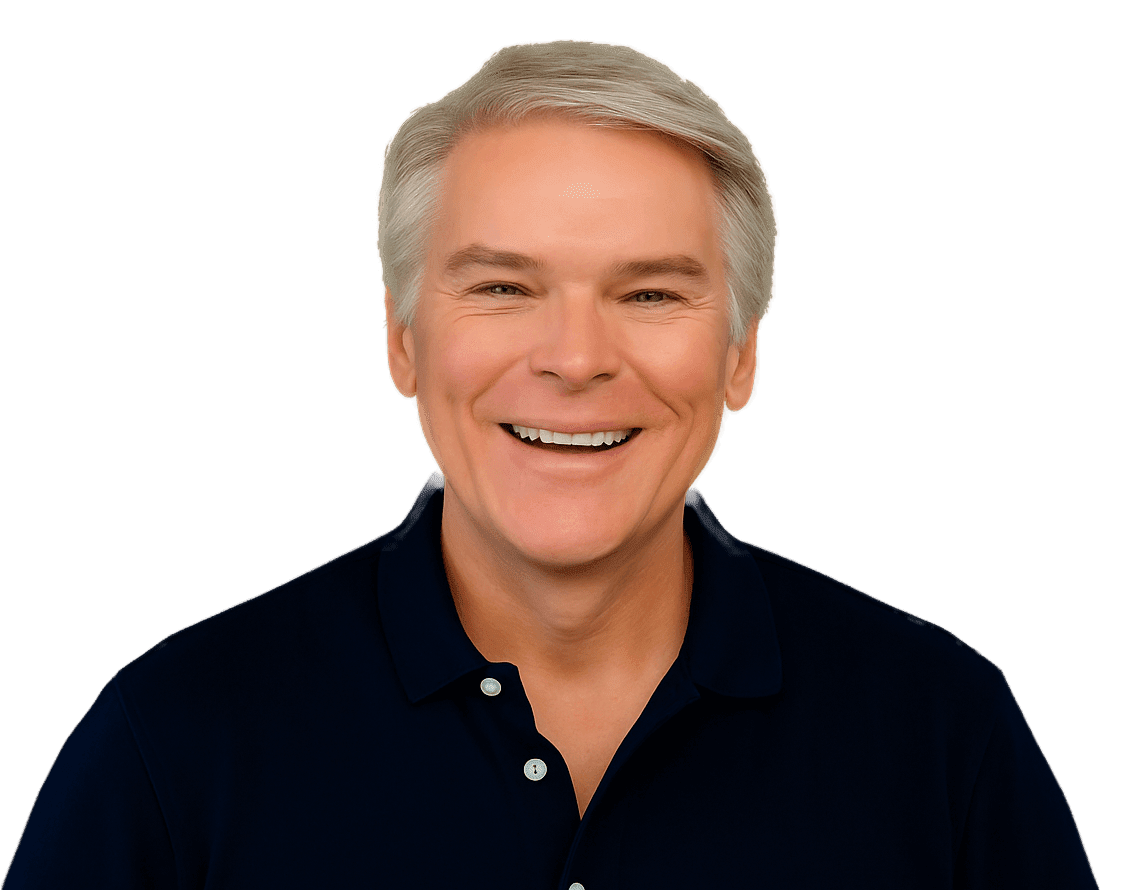
Seb Frey is a REALTOR® and founder of Team Sixty Plus, a curated network connecting older adults and their families with trusted professionals across California. With decades of experience helping homeowners 60+ navigate major life transitions—like downsizing, aging in place, or passing on a legacy—Seb brings deep market knowledge, a compassionate approach, and a commitment to simplifying complex decisions. When he’s not advising clients, he’s sharing expert insights on real estate, retirement strategies, and quality-of-life resources for the 60+ community.
Reaching your 60s often brings a meaningful shift in how you spend your time. Responsibilities that once filled your days, career demands, raising a family, or managing a busy household, may begin to ease. In their place, there is an opportunity to explore interests that bring a deeper sense of fulfillment, enjoyment, and balance.
Hobbies are not simply ways to pass time. They can support mental clarity, physical health, emotional well-being, and a renewed sense of purpose. For many people, this stage of life offers the freedom to rediscover old passions or try something entirely new. Whether you are recently retired, semi-retired, or simply looking to enrich your daily routine, the right hobbies can make a meaningful difference.
Why Hobbies Matter More After 60
As life changes, so does the role of daily structure. Without the built-in rhythm of a full-time job or caregiving responsibilities, it becomes more important to intentionally shape how your time is spent.
Hobbies provide structure without pressure. They give your day a sense of direction while allowing flexibility. This balance is important for maintaining both independence and a sense of purpose.
- Mental stimulation: Learning new skills or engaging in creative tasks helps keep the mind active.
- Physical movement: Many hobbies encourage gentle, consistent activity that supports mobility and strength.
- Social connection: Shared interests can naturally lead to friendships and community involvement.
- Emotional well-being: Having something to look forward to each day can improve overall mood and outlook.
The value of hobbies is not in how productive they are, but in how they make you feel. The goal is not achievement, it is engagement.
As you begin shaping a more intentional daily rhythm, it can also help to explore ideas in Creating a Fulfilling Lifestyle After Retirement, which offers practical ways to build structure and meaning into this stage of life.
Creative Hobbies That Encourage Expression
Writing, Journaling, and Storytelling
Writing is one of the most accessible and rewarding hobbies you can take up at any age. It does not require special equipment, and it can be done at your own pace. Many people over 60 find value in reflecting on their life experiences through journaling or memoir writing. This process can bring clarity, perspective, and even a sense of closure to certain chapters of life.
You might consider:
- Keeping a daily journal to capture thoughts and observations
- Writing short stories or essays based on personal experiences
- Starting a blog to share insights with others
The key is consistency rather than perfection. Even a few sentences a day can become meaningful over time.
Painting, Drawing, and Crafts
Creative hobbies like painting, sketching, knitting, or woodworking allow you to express yourself without relying on words. These activities can be both calming and engaging, offering a sense of accomplishment as you see your progress.
You do not need formal training to begin. Many community centers and online platforms offer beginner-friendly classes that guide you step by step.
Working with your hands also has cognitive benefits. It encourages focus, coordination, and patience, all of which support long-term mental health.
We’re All In This Together
Physical Hobbies That Support Health
Walking and Light Exercise
Walking is one of the simplest and most effective hobbies for maintaining physical health. It requires no special skills, can be adjusted to your pace, and can be done almost anywhere.
A regular walking routine can help:
- Improve cardiovascular health
- Maintain joint flexibility
- Support balance and coordination
- Reduce stress and improve mood
Many people find that walking becomes more enjoyable when paired with something else, such as listening to music or exploring new areas.
If you’re considering adding more movement to your routine, Walking for Health: How Many Steps Should Seniors Aim For? provides helpful guidance on building a safe and sustainable walking habit.
Gardening
Gardening combines gentle physical activity with a strong sense of purpose. Whether you are tending to flowers, vegetables, or small indoor plants, the process of caring for something over time can be deeply satisfying.
Gardening encourages movement like bending, reaching, and walking, while also providing a connection to nature. Even a small balcony or window space can be enough to start.
The pace of gardening also teaches patience. Growth happens gradually, and that rhythm can be calming in a world that often feels rushed.
Social Hobbies That Build Connection
Joining Clubs or Community Groups
Social connection becomes increasingly important as life changes. Hobbies can provide a natural way to meet people who share similar interests, without the pressure of forced interaction.
Consider joining:
- Book clubs
- Hobby groups (such as photography or crafts)
- Local classes or workshops
- Volunteer organizations
These settings create opportunities for conversation and shared experiences. Over time, they can lead to meaningful friendships.
or those looking to expand social connections while staying engaged, 10 Best Jobs for Seniors Looking to Stay Active also highlights opportunities that combine purpose, interaction, and daily structure.
Volunteering
Volunteering is a unique kind of hobby. It combines personal fulfillment with a sense of contribution to others. Many people find that giving their time and skills creates a deeper sense of purpose than purely recreational activities.
There are many ways to get involved:
- Mentoring younger generations
- Helping at local community centers
- Supporting charitable organizations
- Participating in outreach programs
The benefit of volunteering is not just in helping others, it also reinforces your own sense of value and connection.
Lifelong Learning as a Hobby
Taking Classes or Learning New Skills
Learning does not stop after formal education ends. In fact, later life can be one of the best times to explore subjects purely out of interest.
You might choose to learn:
- A new language
- Basic computer or technology skills
- History, art, or literature
- Music or instruments
Many universities, libraries, and online platforms offer courses designed specifically for older adults. These programs are often structured to be supportive and flexible.
Learning something new can be both stimulating and rewarding. It keeps the mind engaged and opens doors to new perspectives.
Exploring new subjects can feel more approachable with guidance from Top Free Online Courses for Older Adults, which outlines accessible learning options designed for flexibility and ease.
Technology and Digital Hobbies
Technology may feel unfamiliar at first, but it can offer valuable opportunities for connection and creativity. Once you become comfortable with the basics, you may find that digital hobbies expand your options significantly.
Examples include:
- Photo editing
- Creating digital art
- Participating in online communities
- Managing a personal blog or website
The key is to approach technology with patience. Learning step by step, without pressure, can make the process much more manageable.
As you ease into digital activities, Easy Digital Skills So Anyone Can Work From Home can serve as a practical starting point for building confidence with everyday technology.
Retirement Planning for Older Adults
Are you a little late to the retirement planning game? Get this comprehensive guide and get caught up!
Get the Guide!Hobbies That Encourage Reflection and Mindfulness
Reading
Reading is a timeless hobby that can be adapted to any interest or energy level. Whether you prefer fiction, non-fiction, or audiobooks, reading allows you to explore new ideas and perspectives.
It can also serve as a quiet, reflective activity that balances more active parts of your day.
Regular reading can:
- Improve concentration
- Expand knowledge
- Provide mental relaxation
Joining a book club can add a social element, turning reading into a shared experience.
Meditation and Quiet Practices
Practices like meditation, breathing exercises, or simply spending quiet time in nature can support emotional well-being.
These activities do not require complex techniques. Even a few minutes of quiet reflection each day can help reduce stress and improve focus.
Mindfulness-based hobbies encourage you to slow down and pay attention to the present moment. This can be especially valuable during periods of transition.
Travel and Exploration as a Hobby
Exploring Locally
Travel does not always mean long-distance trips. Exploring your local area can be just as enriching, often with less stress and expense.
You might:
- Visit nearby parks or historical sites
- Try new local restaurants or cafes
- Attend community events or exhibitions
Seeing familiar places with fresh eyes can bring a renewed sense of curiosity and appreciation.
Meaningful Travel
If you enjoy traveling farther, consider trips that align with your interests. This could include cultural experiences, nature-focused travel, or visiting places that hold personal significance.
Travel at this stage of life often shifts from fast-paced itineraries to more thoughtful, relaxed experiences. The focus becomes less about checking off destinations and more about enjoying the journey.
Choosing the Right Hobby for You
With so many options available, it can be difficult to know where to start. The best approach is to focus on what feels natural rather than what seems impressive or productive.
Here are a few questions to guide your decision:
- What activities have you enjoyed in the past?
- Do you prefer being active, creative, social, or reflective?
- How much time and energy do you want to commit?
- Do you want something structured or flexible?
It is also important to give yourself permission to try something without committing long-term. Not every hobby will be a perfect fit, and that is part of the process.
If you’re also reflecting on broader life transitions, When Retirement Feels Too Small: How to Reclaim Purpose, Connection, and Joy offers a thoughtful perspective on aligning your time with what truly matters.
Overcoming Common Barriers
“I’m Not Good at It”
This is one of the most common concerns. Many people hesitate to start a new hobby because they feel they lack skill or experience.
It helps to shift your perspective. The purpose of a hobby is not to be good at it, it is to enjoy the process. Skill often develops naturally over time.
“I Don’t Have the Energy”
Energy levels can vary, and it is important to choose hobbies that match your current capacity. Some days may be more active, while others may call for quieter activities.
Having a mix of options allows you to adjust based on how you feel.
“It’s Too Late to Start”
It is never too late to begin something new. In fact, many people find that starting later in life brings a different kind of satisfaction. There is less pressure to achieve and more freedom to explore.
Join the Discussion!
Creating a Sustainable Routine
Once you find hobbies that interest you, the next step is to integrate them into your daily or weekly routine.
Consistency is more important than intensity. It is better to spend a small amount of time regularly than to overcommit and feel overwhelmed.
You might:
- Set aside specific times during the week
- Combine hobbies (such as walking while listening to audiobooks)
- Keep your setup simple and accessible
Over time, these activities can become a natural part of your lifestyle.
The Deeper Value of Hobbies After 60
Hobbies after 60 are not simply about passing the time. They offer a more personal way to stay engaged with life, creating space for continued growth, meaningful connection, and thoughtful reflection on where you have been and where you want to go next. Rather than feeling like time is something to fill, hobbies can help it feel purposeful and well spent. Over time, this can lead to a greater sense of balance and satisfaction in everyday life.
They also allow you to define your time on your own terms. Instead of being guided by obligations or routines set by others, you can choose activities that reflect your interests, values, and current pace. This freedom can be both refreshing and empowering, especially after years of structured responsibilities. It gives you the ability to shape your days in a way that feels right for you.
This shift can bring a sense of independence and fulfillment that is both quiet and meaningful. It is not about doing more, but about choosing what truly matters. As you settle into hobbies that feel natural and enjoyable, you may notice a stronger sense of contentment in your daily life. In many ways, this is where hobbies offer their greatest value, not in productivity, but in helping you feel more connected to how you live your time.
Conclusion
Hobbies after 60 are not about filling time, they are about enriching it in a way that feels meaningful and sustainable. They offer a way to stay engaged with the world while also giving you space to enjoy your own pace. Through hobbies, you can maintain a sense of purpose and continue growing in ways that feel natural rather than forced. Over time, they can become an important part of how you experience each day.
The most important step is simply to begin. You do not need a detailed plan or a perfect idea, starting with something small or familiar is often enough. It could be revisiting an old interest or trying something new that sparks your curiosity. What matters most is allowing yourself to explore without pressure or expectation, giving yourself room to learn as you go.
Over time, these small choices can lead to a more balanced, connected, and fulfilling daily life. As hobbies become part of your routine, they can bring a steady sense of rhythm and enjoyment to your days. You may also find that they open doors to new experiences and connections you did not expect. In many ways, this stage of life becomes less about doing more, and more about experiencing more of what truly matters.
