

Seb Frey is a REALTOR® and founder of Team Sixty Plus, a curated network connecting older adults and their families with trusted professionals across California. With decades of experience helping homeowners 60+ navigate major life transitions—like downsizing, aging in place, or passing on a legacy—Seb brings deep market knowledge, a compassionate approach, and a commitment to simplifying complex decisions. When he’s not advising clients, he’s sharing expert insights on real estate, retirement strategies, and quality-of-life resources for the 60+ community.
Aging is a natural part of life, but how we experience it can vary greatly. For many people, later years bring both opportunities and challenges, changes in health, shifts in identity, and a deeper reflection on meaning and purpose. In this stage of life, emotional and mental well-being become just as important as physical health.
Faith and meditation can play a quiet but powerful role in supporting healthy aging. They do not require perfection or a specific belief system. Instead, they offer simple ways to find calm, stay grounded, and maintain a sense of connection, to oneself, to others, and, for many, to something greater.
Understanding Healthy Aging Beyond the Physical
When people think about aging well, the focus often centers on physical health, staying active, eating well, and managing medical conditions. While these are essential, they represent only one part of the picture. Healthy aging also includes how we feel emotionally and mentally as we move through later life. A balanced approach considers not just the body, but also the mind and inner sense of well-being.
Emotional stability, mental clarity, and a sense of purpose play a significant role in shaping everyday experiences as we age. It is not uncommon for individuals to face feelings of loneliness, uncertainty, or loss during this stage. Life transitions such as retirement, the passing of loved ones, or changes in independence can bring both reflection and emotional strain. Without the right support, these experiences can affect overall quality of life.
This is where faith and meditation can offer steady and meaningful support. While they do not remove life’s challenges, they can help individuals respond with greater calm and perspective. Faith can provide a sense of continuity and purpose, offering reassurance during times of change. Meditation, in turn, creates a quiet space to process thoughts and emotions, helping to reduce stress and improve focus.
Aging well is not only about maintaining physical health, but also about nurturing emotional and mental resilience. Faith and meditation provide simple yet effective ways to support this balance, encouraging a more grounded and thoughtful approach to life’s later years. By making space for reflection and inner calm, individuals can experience aging with greater clarity, peace, and a renewed sense of purpose.
A more complete view of aging also includes mental sharpness, this is explored further in The Science of Staying Sharp: How to Keep Your Brain Young After 60, which looks at simple ways to support long-term cognitive health.
Guide Your Aging Parents Through Their Later Years
Download our plain-spoken guide to helping your aging parents manage care, finances, the long-time family home, and estate.
Get the Guide!What Faith Means in Later Life
Faith can mean different things to different people. For some, it is rooted in organized religion and long-standing traditions that have been part of their lives for many years. For others, it may be more personal, connected to individual values, time spent in nature, or a quiet sense of spirituality without a formal structure. Regardless of how it is defined, faith often becomes more meaningful with age, as people begin to reflect more deeply on their experiences and beliefs.
In later life, faith tends to shift from being about rules or routines to becoming more reflective and personal. Many older adults find themselves asking important questions about purpose, legacy, and connection. These reflections are a natural part of aging and can lead to a greater sense of clarity and acceptance. Faith can provide a steady framework for exploring these thoughts, helping individuals make sense of their journey and the life they have lived.
Faith can also offer comfort during times of uncertainty. Facing health concerns, changes in independence, or major life transitions can feel overwhelming, but a sense of belief can provide reassurance and stability. It reminds individuals that they are not alone in their experiences, even during difficult moments. This quiet sense of support can help ease worry and encourage a more grounded response to life’s challenges.
Connection through faith communities can further strengthen this sense of support. Attending services, participating in small groups, or simply maintaining relationships with others who share similar beliefs can reduce feelings of isolation. At the same time, personal practices such as prayer, reading spiritual texts, or quiet reflection can be just as meaningful for those who prefer a more private approach. What matters most is not how faith is practiced, but how it helps foster a sense of peace, connection, and emotional well-being.
For those reflecting on deeper meaning in this stage of life, Exploring Spirituality After Retirement: A Journey to Meaning, Peace, and Connection offers a thoughtful look at how personal beliefs can evolve over time.
The Role of Meditation in Everyday Life
Meditation is often misunderstood as something complicated or time-consuming, but in reality, it can be very simple and accessible. At its core, meditation is about paying attention to the present moment. This might involve focusing on the breath, gently observing thoughts, or simply sitting quietly without distraction. There is no need to completely clear the mind; instead, the practice encourages noticing thoughts as they come and go without becoming overwhelmed by them.
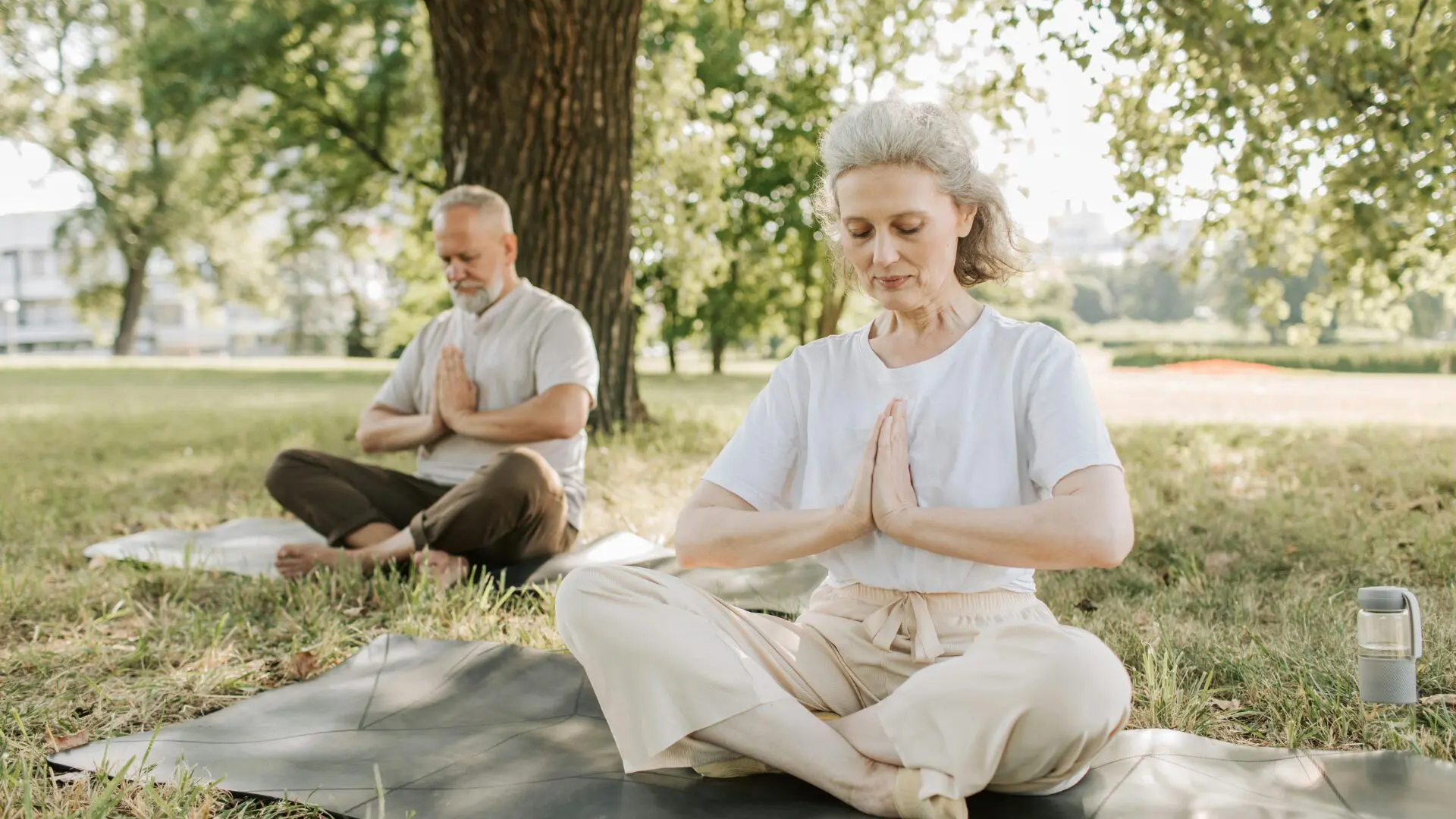
For seniors, meditation can be especially helpful in managing stress and maintaining emotional balance. It does not require special equipment or a strict routine, making it easy to adapt to different lifestyles and energy levels. Meditation can be practiced while sitting comfortably, lying down, or even during a slow, mindful walk. This flexibility allows individuals to incorporate it into their daily lives in a way that feels natural and sustainable.
Regular meditation can support:
- A calmer response to stress
- Improved focus and clarity
- Better emotional regulation
- A sense of relaxation and ease
Even just a few minutes of meditation each day can make a meaningful difference. As the practice becomes more familiar, it often feels less like a task and more like a quiet pause that supports overall well-being. This gentle approach can help individuals move through daily life with greater clarity, patience, and a deeper sense of calm.
Simple daily practices like mindfulness can also support , as discussed in How Lifelong Learning Keeps Your Brain Sharp After 60, which highlights the value of staying mentally engaged.
Maximizing Your Social Security
Many People Miss Out on $100,000+ In Social Secuirty Benefits! Don’t be one of them. Our Clear and Complete Guide Explains It All
Get the Guide!How Faith and Meditation Work Together
Faith and meditation are often seen as separate practices, but they can complement each other in meaningful and practical ways. Faith provides a sense of direction, purpose, and understanding, especially during times of change or uncertainty. Meditation, on the other hand, offers a way to slow down and become more present within that framework. When combined, they create space for reflection, acceptance, and a deeper sense of inner peace.
In daily life, these practices can be gently woven together. For example, someone might begin the day with a short prayer, a passage from a spiritual text, or a moment of gratitude. This can be followed by a few minutes of quiet breathing or mindful awareness. This simple routine helps set a calm and steady tone, allowing both the mind and spirit to feel more grounded before the day begins.
Meditation can also deepen one’s experience of faith by creating moments of stillness and clarity. When the mind is less distracted, it becomes easier to reflect on personal beliefs, values, and life experiences. This quiet space can support a more personal and meaningful connection with faith, helping individuals move beyond routine and into deeper understanding. It allows faith to feel lived and experienced, rather than just practiced.
In this way, meditation is not separate from faith but can serve as a natural extension of it. Together, they support a balanced approach to aging that nurtures both inner calm and a sense of purpose. By making time for both reflection and stillness, individuals can experience a more connected and grounded way of moving through daily life.
Emotional Benefits of Faith and Meditation
As people age, emotional well-being becomes increasingly important. Changes in routine, relationships, and physical health can sometimes lead to feelings of anxiety or sadness. These experiences are a natural part of life, but they can feel more noticeable during later years. Having supportive practices in place can make it easier to navigate these shifts with a sense of steadiness and understanding.
Faith and meditation can help create a strong and steady emotional foundation. Faith often provides reassurance, offering a sense of comfort and hope even when circumstances feel uncertain. It can remind individuals that they are supported and not alone in what they are experiencing. This sense of trust can ease fear and help build emotional resilience over time.
Meditation, in turn, supports emotional balance by creating space between thoughts and reactions. Instead of becoming overwhelmed by worry or frustration, individuals can learn to observe these feelings with more calm and clarity. This gentle awareness can make it easier to cope with stress, respond thoughtfully, and maintain a more balanced state of mind throughout the day.
Together, these practices can:
- Reduce feelings of loneliness
- Improve mood and outlook
- Support acceptance of life changes
- Encourage a more peaceful mindset
Over time, they can help people approach life with greater patience and understanding.
Supporting Mental Clarity and Cognitive Health
Mental sharpness is an important part of healthy aging, even as natural changes in memory and processing occur over time. Staying mentally engaged can help support independence, confidence, and overall quality of life. While some decline is expected, there are practical ways to keep the mind active and responsive. Simple, consistent habits can make a meaningful difference in maintaining clarity and focus.
Meditation is one approach that can support attention and mental awareness. By practicing mindfulness, individuals learn to stay present rather than becoming distracted by worries or scattered thoughts. Over time, this can strengthen focus, improve concentration, and support better decision-making in everyday situations. Even short, regular sessions can help train the mind to return to the present moment with greater ease.
Faith-based practices can also contribute to cognitive health in thoughtful ways. Reading spiritual texts, participating in discussions, or reflecting on meaningful ideas all engage different parts of the mind. These activities encourage interpretation, memory recall, and deeper thinking, which can help keep the mind active. They also provide a sense of purpose, which can motivate continued mental engagement.
Both faith and meditation encourage a slower, more intentional pace of life. This shift can reduce mental overload and create space for clearer thinking. Rather than focusing on doing more, these practices support doing things with greater awareness and presence. Over time, this approach can help make everyday experiences feel more manageable, meaningful, and mentally fulfilling.
In addition to meditation, regular movement can play a key role in maintaining focus and clarity, Walking for Health: How Many Steps Should Seniors Aim For? provides a practical guide to getting started.
Medicare Made Simple
Medicare can be complicated – so let us break it down for you! Get our quick and easy guide, Medicare Made Simple!
Get the Guide!Building a Sense of Purpose
One of the most important aspects of healthy aging is maintaining a sense of purpose. Without it, daily life can begin to feel repetitive or disconnected, especially after major life transitions such as retirement or changes in routine. A clear sense of purpose helps provide direction and motivation, making each day feel more meaningful. It also supports emotional well-being by giving individuals something to look forward to and engage with.
Faith often plays a meaningful role in shaping this sense of purpose. It can guide personal values, encourage acts of kindness, and inspire continued connection with others. Many older adults find fulfillment through volunteering, mentoring, or simply being present for family and community. These actions, while sometimes small, can create a lasting sense of contribution and belonging.
Meditation complements this by helping individuals stay connected to what truly matters. By taking time to pause and reflect, it becomes easier to recognize priorities and make more thoughtful choices. This quiet awareness can help individuals focus less on distractions and more on what brings genuine meaning to their lives.
Purpose does not need to be large or complex to be meaningful. It can be found in everyday moments, such as checking in on a friend, caring for a loved one, or appreciating time spent in nature. Faith and meditation help bring attention to these moments, allowing them to feel more intentional and fulfilling, and supporting a deeper sense of connection in daily life.
Finding meaning after major life transitions is explored further in When Retirement Feels Too Small: How to Reclaim Purpose, Connection, and Joy, which offers practical ways to stay engaged and fulfilled.
Managing Stress and Physical Health
As people move through later life, managing stress becomes increasingly important. Changes in health, routine, and responsibilities can create new sources of tension, even in everyday situations. Without healthy ways to cope, stress can affect both physical and emotional well-being. Developing simple, consistent practices to manage stress can help create a greater sense of stability and ease.
Meditation is a practical and accessible tool for reducing stress. Simple breathing exercises can calm the nervous system and help the body shift into a more relaxed state. Over time, regular practice can support better sleep, improve mood, and make it easier to handle daily challenges. Even a few quiet minutes each day can create a noticeable difference in how stress is experienced and managed.
Faith can also play a supportive role by offering a sense of trust and acceptance. Believing that there is meaning or guidance beyond immediate circumstances can make difficulties feel less overwhelming. This perspective can help individuals approach challenges with more patience and less fear, creating a steadier emotional response during uncertain times.
While faith and meditation are not replacements for medical care, they can support overall health by:
- Encouraging relaxation
- Promoting better sleep
- Reducing tension
- Supporting a positive outlook
Together, these benefits contribute to a balanced and sustainable approach to well-being, helping individuals navigate stress with greater calm and resilience.
Managing stress is just one part of overall well-being, and The Best Low-Impact Exercises for Adults Over 60 shares gentle ways to support both physical and emotional health.
Practical Ways to Start
For those who are new to faith or meditation, it can sometimes feel unclear where to begin. Both practices may seem unfamiliar at first, especially without a clear structure or routine. The good news is that they do not require major changes or a perfect approach. They can be introduced gradually, allowing individuals to explore what feels comfortable and meaningful at their own pace.
Starting with small, manageable steps can make the process feel more approachable. Setting aside a few quiet minutes each day, whether in the morning or before bed, can create a simple and consistent routine. Focusing on slow, steady breathing is often an easy entry point, helping the body relax and the mind settle. Over time, this small habit can become a reliable way to pause and reset during the day.
A few simple approaches include:
- Set aside a few quiet minutes each day. This could be in the morning or before bed.
- Focus on breathing. Take slow, steady breaths and notice how the body feels.
- Reflect on a meaningful thought or passage. This could come from a spiritual text or a personal belief.
- Spend time in nature. Quiet walks can be a form of meditation and reflection.
- Stay connected with others. Conversations about faith or shared quiet time can be supportive.
What matters most is consistency rather than duration. Even five to ten minutes each day can create a meaningful habit over time. As the practice becomes more familiar, it often feels less like something new and more like a natural part of daily life, supporting a steady sense of calm, clarity, and connection.
Adapting Practices to Changing Needs
As people age, their needs and abilities may change, and daily routines often require adjustment. Physical limitations, changes in energy levels, or shifts in cognitive function can all influence how activities are approached. The reassuring part is that faith and meditation are highly flexible practices. They can be adapted in ways that remain supportive without requiring strain or strict structure.
For those with limited mobility, meditation can be practiced while sitting comfortably or lying down. There is no need for physical effort or specific posture, as the focus remains on awareness and calm. In the same way, faith practices can be adjusted to fit individual needs. Listening to audio readings, attending virtual services, or spending quiet moments in reflection can provide the same sense of connection without requiring travel or physical exertion.
For individuals experiencing memory challenges, simple and familiar routines can be especially helpful. Repeating a short prayer, focusing on steady breathing, or listening to calming music can create a sense of comfort and stability. These gentle practices do not rely on complex steps, making them easier to follow and more reassuring over time. Even small, repeated actions can offer emotional support and a sense of continuity.
The goal is not to maintain a perfect or structured routine, but to continue engaging in ways that feel accessible and meaningful. By adapting practices to fit changing needs, individuals can still experience the benefits of faith and meditation. This flexible approach allows for ongoing support, helping to maintain a sense of calm, connection, and emotional well-being throughout the aging process.
Join the Discussion!
Overcoming Common Barriers
Some people may feel hesitant to explore faith or meditation, especially if these practices are new or unfamiliar. It is common to have questions or doubts about where to begin or whether these approaches are the right fit. These feelings are natural and often come from a lack of exposure rather than a lack of ability. With a gentle and open mindset, it becomes easier to see that both faith and meditation are accessible to anyone, regardless of background or experience.
Common concerns include:
- “I don’t know how to meditate.”
- “I’m not religious.”
- “I don’t have enough time.”
These concerns are understandable, but they do not need to prevent someone from starting.
Meditation does not require special skills or training, it simply involves paying attention to the present moment, often through breathing or quiet awareness. In the same way, faith does not need to follow a specific structure or tradition. It can be personal, flexible, and shaped by individual values and experiences.
Time is also less of a limitation than it may seem. Even a few minutes of quiet reflection can create a noticeable sense of calm and clarity. These small moments can fit naturally into daily routines, whether during a quiet morning, a break in the day, or before going to sleep. Over time, these brief practices can build into a steady and supportive habit.
The key is to approach both faith and meditation with openness and patience. There is no single “right” way to begin, and there is no need for perfection. By allowing the process to unfold naturally, individuals can discover what feels most meaningful and supportive, creating a practice that fits comfortably into their lives.
The Role of Community and Connection
Human connection remains important at every stage of life, especially as routines and social circles evolve over time. Whether through faith communities, meditation groups, or small circles of friends, these connections can offer a sense of belonging and understanding. Being part of a supportive environment can help individuals feel seen and valued, which is essential for emotional well-being in later years.
Sharing experiences with others can:
- Reduce feelings of isolation
- Encourage consistency in practice
- Provide emotional support
- Create opportunities for learning and growth
For those who prefer a more private approach, connection can still be present in quieter ways. A sense of shared values or simply knowing that others are engaging in similar practices can offer comfort. This subtle form of connection can help individuals feel part of something larger without needing frequent social interaction. It allows for a balance between solitude and belonging.
Community does not need to be large or formal to be meaningful. It can be as simple as a regular conversation, a phone call, or a shared moment of reflection with someone close. These small, consistent interactions can provide a steady source of support, helping individuals maintain a sense of connection, purpose, and emotional balance throughout the aging process.
A Gentle Approach to Aging Well
Healthy aging is not about achieving perfection or meeting a fixed standard. It is about finding ways to live with balance, awareness, and a steady sense of peace. As life changes over time, the ability to adapt with patience and understanding becomes more important than trying to control every outcome. This perspective allows individuals to focus on what truly supports their well-being rather than striving for unrealistic expectations.
Faith and meditation offer gentle and practical tools to support this process. They do not require dramatic lifestyle changes or strict routines to be effective. Instead, they encourage small, consistent moments of reflection, stillness, and awareness that can be woven into daily life. These simple practices create space to pause, reset, and reconnect with what feels meaningful.
Over time, these quiet moments can shape how individuals experience each day. They can help make challenges feel more manageable by encouraging a calmer and more thoughtful response. At the same time, they can bring greater appreciation to everyday experiences, helping even ordinary moments feel more meaningful and fulfilling.
By approaching aging with this sense of balance and intention, individuals can create a more grounded and supportive way of living. Faith and meditation serve as steady companions in this journey, offering a consistent source of calm, clarity, and connection that can grow stronger over time.
Conclusion
Aging brings change, but it also offers an opportunity to deepen one’s understanding of life. With time often comes a shift in perspective, allowing individuals to reflect more thoughtfully on their experiences and priorities. Faith and meditation can support this journey in quiet, steady ways, helping create a sense of stability amid change. These practices do not demand perfection but instead provide gentle support as individuals navigate this stage of life.
They help create space, for reflection, for calm, and for meaningful connection. By encouraging individuals to slow down and pay attention, faith and meditation make it easier to notice both the small and significant moments of daily life. This awareness can bring a deeper sense of meaning, even during challenging times. It allows individuals to approach life with greater patience, acceptance, and clarity.
For seniors, these practices can offer comfort, emotional balance, and a renewed sense of purpose. They can help ease feelings of uncertainty while supporting a more grounded outlook. For those supporting older adults, faith and meditation provide a gentle and respectful way to encourage well-being without pressure or expectation. They offer support that is adaptable, personal, and easy to integrate into daily routines.
There is no single path to healthy aging, and each journey is unique. By incorporating faith, meditation, or even small moments of quiet reflection, it becomes possible to move through this stage of life with greater ease and understanding. In the end, it is not about doing more, but about being present, staying connected, and finding peace in the life that is unfolding one day at a time.
