

Seb Frey is a REALTOR® and founder of Team Sixty Plus, a curated network connecting older adults and their families with trusted professionals across California. With decades of experience helping homeowners 60+ navigate major life transitions—like downsizing, aging in place, or passing on a legacy—Seb brings deep market knowledge, a compassionate approach, and a commitment to simplifying complex decisions. When he’s not advising clients, he’s sharing expert insights on real estate, retirement strategies, and quality-of-life resources for the 60+ community.
A practical, real-world guide for older adults and families (with costs + how to hire the right pros)
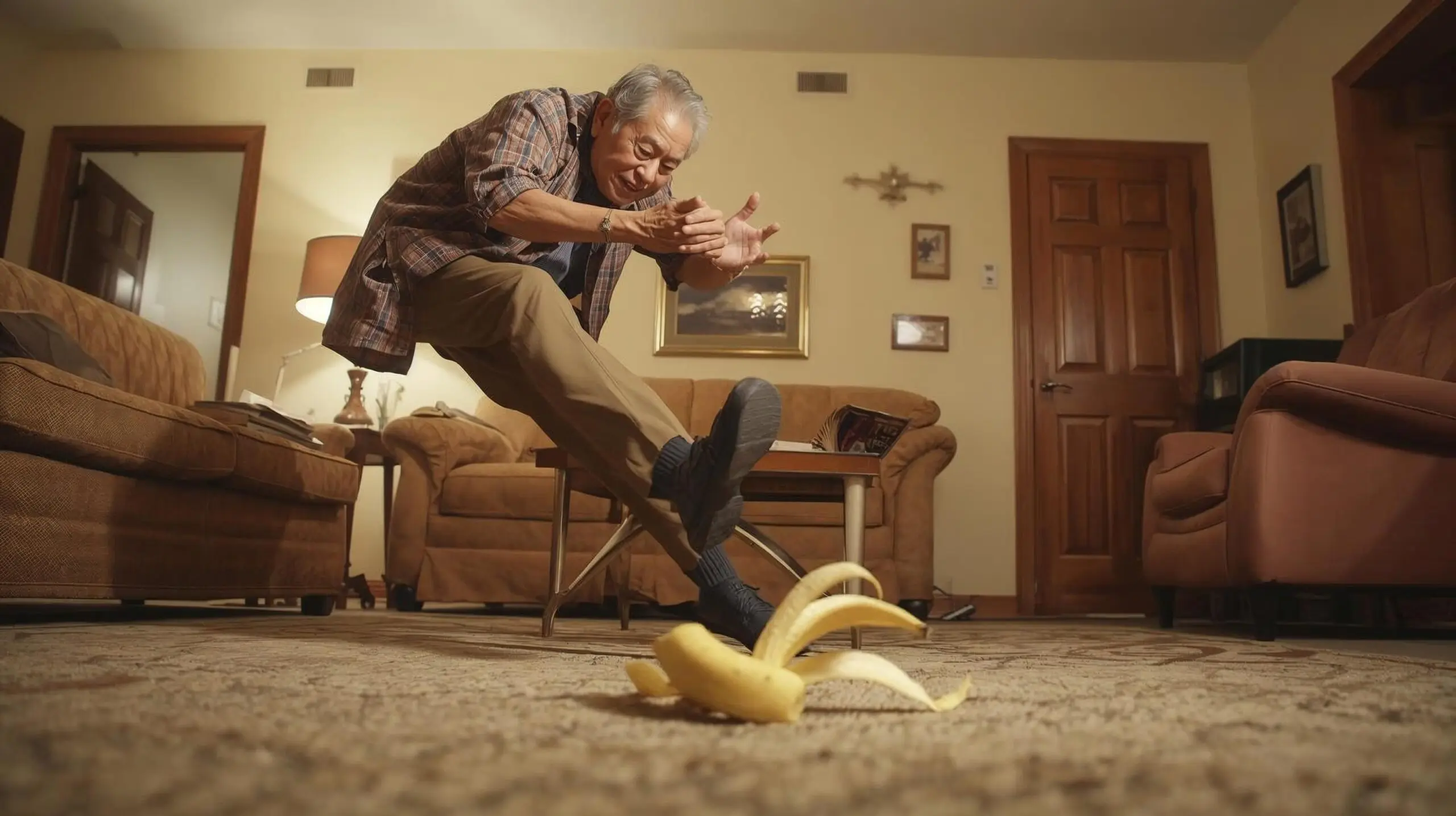
Most falls don’t happen on hiking trails or icy sidewalks. They happen at home—on the way to the bathroom at night, stepping out of the shower, rounding a corner in a dim hallway, or tripping over something that “has always been there.” And here’s the part that matters: falling is not just “bad luck.” In many cases, it’s predictable—and preventable.
I work with a lot of older homeowners and adult children who are trying to keep a parent safe at home (or help them make a move). I’ve noticed something consistent: people tend to treat fall prevention like a list of chores. But the best way to think about it is as a system. Your home should support you—your vision, your balance, your reaction time, your strength on a tired day, and even your habits when you’re not thinking about safety.
This guide covers the ten biggest, highest-impact changes you can make to reduce fall risk at home. I’ll also give you realistic cost ranges and the best ways to find contractors who can do the work correctly (and safely) the first time.
Quick note: costs vary widely by region and by how “easy” your house is to work on. I’m giving typical ranges you’ll see in most U.S. markets, but always get written bids.
1) Upgrade lighting like your safety depends on it (because it does)
If I could pick one “most underrated” fall-prevention fix, it’s lighting. Poor lighting creates shadows and hides changes in flooring height, clutter, and stair edges. It also forces your eyes to work harder, which matters more as we age.
Start by making your lighting brighter, more even, and more predictable. That usually means upgrading bulbs to LED, increasing lumens in key areas (hallways, bathrooms, stairs), and adding night lighting so you don’t have to navigate in the dark. If you hate harsh light, that’s fine—you can still go brighter without glare by choosing warm or soft-white LEDs and using shades/diffusers.
The most important locations are the path from bed to bathroom, stairways (top and bottom landings), kitchens, entryways, and any hallway turns. Motion-sensor lights are excellent in bathrooms and hallways because they eliminate the “find the switch” moment.
Typical costs:
LED bulbs are inexpensive—often $3–$10 each depending on quality and brightness. Plug-in night lights run $10–$25. Motion-sensor bulbs or fixtures can be $20–$150. If you hire an electrician to add ceiling fixtures, replace switches, or add new lights, you’re often looking at $150–$300+ per visit, plus materials. New recessed lighting or wiring can climb into the hundreds to low thousands depending on access and the number of fixtures.
Who can do it: a handyman can handle simple fixture swaps; a licensed electrician is best for wiring, new fixtures, and anything inside walls.
We’re All In This Together
2) Remove tripping hazards you’ve “trained your brain” to ignore
Our brains are amazing at filtering familiar clutter. That’s exactly why longtime homeowners trip: you don’t “see” the rug edge you’ve stepped over 10,000 times, the lamp cord near the sofa, or the stack of mail near the doorway.
This step is simple but powerful: make walking paths boring. Clear. Wide. Predictable.
Start with the most common culprits: throw rugs, cords, uneven thresholds, low furniture corners, clutter on stairs, and anything that lands on the floor (shoes, pet toys, bags). In many homes, the safest improvement is not a remodel—it’s creating a home where your feet always have a clear lane.
If you love area rugs, you don’t necessarily have to live in a rug-free museum. But you do need to secure rugs properly. Rug pads alone often aren’t enough if edges curl. Sometimes the “right” answer is to retire small rugs and use larger, heavier ones with professional-grade non-slip backing.
Typical costs:
DIY decluttering can be free. Rug pads and grippers usually cost $15–$60 per rug. Cord management supplies can be $10–$40. Hiring a professional organizer is commonly $50–$150/hour, and move managers/downsizing pros can be more depending on scope.
Who can do it: you can do most of this yourself, but professional organizers and senior move managers can be incredibly helpful because they keep the process moving without turning it into a week-long emotional marathon.
3) Make bathrooms “no-drama zones” with grab bars and better surfaces
Bathrooms are high risk because they combine water, hard surfaces, and awkward movements—stepping over a tub, turning, balancing, and reaching. This is where falls can become serious injuries.
The best bathroom upgrades are usually not glamorous. They are functional: properly installed grab bars, non-slip surfaces, stable seating if needed, and a layout that doesn’t force weird twisting.
Grab bars are the big one—but only when they’re installed correctly. Towel bars are not grab bars. Suction grab bars are not a reliable primary safety device. A real grab bar must be anchored properly into studs or blocking.
Consider a bar near the toilet (especially for sit-to-stand), and bars inside and just outside the shower. If stepping into a tub is becoming difficult, a tub-to-shower conversion or walk-in shower can be transformative, but even smaller changes help a lot.
Non-slip solutions matter too: textured shower floors, non-slip strips, or a high-quality non-slip mat designed for wet environments.
Typical costs:
Quality grab bars often cost $25–$80 each. Professional installation is commonly $100–$250 per bar depending on wall type and reinforcement needs. Non-slip strips/mats can be $10–$50. A comfort-height toilet is often $250–$600, plus installation. A tub-to-shower conversion can range widely—often $4,000–$15,000+ depending on tile, waterproofing, plumbing changes, and finishes.
Who can do it: a contractor experienced in accessibility work, a licensed handyman for basic installs (if properly qualified), or a plumber/GC for larger changes. For anything involving waterproofing, use someone who does bathrooms routinely—bad bathroom work is expensive.
Family Guide for Aging in Place
For Families with Older Adults who are looking to help with a Parent with Aging in Place!
Get the Guide4) Improve stair safety (because stairs don’t forgive mistakes)
Stairs are one of the most dangerous parts of a home because a small misstep can turn into a big fall. Stair safety is about three things: a stable handhold, good visibility, and surfaces that don’t slip.
If you have stairs, I strongly prefer a handrail on both sides whenever feasible. One rail is better than none, but two rails increase safety dramatically, especially when carrying something or if one side is your weaker side.
Next, make step edges visible. If the steps blend together visually, it’s easier to misjudge depth. Better lighting helps here, as do contrast strips or stair-edge nosing.
Finally, address slipperiness. Worn wood steps, glossy finishes, and smooth tile can be risky. Non-slip treads or treatments can help without turning your home into an industrial facility.
Typical costs:
A basic handrail installation may run $200–$600 depending on materials and complexity. More custom carpentry can go higher. Non-slip treads or anti-slip stair strips are often $30–$150 depending on length and quality. If stairs need repair or leveling, costs vary widely based on structural issues.
Who can do it: a carpenter, general contractor, or experienced handyman. If you’re unsure, start with a contractor who has done accessibility work before.
5) Fix flooring issues and transitions that quietly cause trips
A surprising number of falls come from tiny changes in floor height—thresholds between rooms, uneven tiles, curled carpet edges, or flooring that becomes slick when it’s polished or wet.
If your home has a mix of flooring types (tile to wood, wood to carpet), pay close attention to transitions. Even a half-inch lip can catch a toe when you’re tired or not lifting your feet as high as you used to.
Hard flooring can be great, but it should have a low-glare finish and good traction. In some cases, replacing high-pile carpet with a lower-pile option or switching to slip-resistant vinyl can reduce risk.
Typical costs:
Threshold fixes can be inexpensive—often $20–$150 for materials and $100–$300 for labor depending on the number of transitions. Floor repair costs range broadly. Full flooring replacement can be $3–$12 per sq ft installed, depending on material and prep work.
Who can do it: flooring contractors are ideal for flooring and transitions. A handyman can handle small threshold fixes.
6) Make the bedroom-to-bathroom route safe at night
Nighttime falls happen because people wake up groggy, move quickly, and don’t want to fully “wake up” by turning on bright overhead lights. If you’ve ever tried to navigate half-asleep, you know why this matters.
The fix is to design a low-effort, low-glare route. That usually means motion-sensor night lighting, a clear path (no cords, no furniture pinch points), and an easy way to get stable before standing.
For some people, a bedside lamp with a large, easy switch is enough. For others, under-bed lighting triggered by motion is fantastic. If balance is an issue when standing, consider a stable bedside surface and talk to a doctor about dizziness, blood pressure changes, or medication side effects.
Typical costs:
Motion night lights are usually $10–$30. Under-bed motion lighting is often $20–$60. A few small fixes here can have outsized impact.
Who can do it: DIY or handyman; electricians if you want hardwired solutions.
Tap Into your Home Equity
Need to raise some cash to pay for home improvements, or anything else? Get our Guide on Creative Ways to Tap Into Home Equity
Get our Guide!7) Improve kitchen safety where you stand and reach the most
Kitchens are a fall-risk area because people stand for long periods, turn frequently, and reach for things. Reaching high or bending low shifts your center of gravity—exactly when you don’t want to be off balance.
A practical fix is to move frequently used items to waist-to-shoulder height. If you’re routinely stepping on a stool, that’s a signal the kitchen is working against you.
If budgets allow, pull-out shelves and drawers reduce deep bending and awkward reaching. Lever-style faucet handles can also help if grip strength is changing.
Typical costs:
Reorganizing is free. Pull-out shelves can run $100–$400 per cabinet, more for custom. Anti-fatigue mats are typically $30–$120, and they can reduce fatigue-related missteps.
Who can do it: cabinet installers, handymen, or kitchen remodel pros for structural changes; DIY for reorganizing.
8) Address entryways and outdoor paths (falls don’t stop at the front door)
Outdoor falls are common because surfaces are uneven, lighting is inconsistent, and weather creates slippery conditions. Entry steps, porch lips, and cracked walkways can be major hazards.
Start with lighting: a bright, motion-sensor light at the front and back entries can prevent missteps. Then look at surfaces: uneven pavers, cracked concrete, and sloped walkways. Handrails at steps and along steep paths can make an immediate difference.
If you have a single step down into a garage or patio, consider marking that edge with contrast tape or improving lighting so it’s obvious.
Typical costs:
Outdoor lighting can be $30–$200 plus installation. Handrails installed can be $300–$1,500 depending on length/material. Concrete leveling can range from $300 to a few thousand depending on the area and method.
Who can do it: landscapers, concrete contractors, handrail/ironwork pros, or general contractors.
9) Use the right “support tools” (footwear, mobility aids, and smart choices)
This one isn’t sexy, but it’s real: socks on hardwood floors are a slip hazard. Worn slippers are a slip hazard. Shoes without support can increase instability.
The safest approach is stable, supportive shoes or slippers with a real sole and good traction. If you use a cane or walker, make sure it’s correctly sized and in good condition. And if you’ve been resisting a mobility aid because it “feels old,” remember the goal: staying independent and avoiding a fall that could force unwanted changes.
Typical costs:
Supportive shoes typically run $60–$150. Mobility aids vary: canes can be $15–$50, walkers can be $50–$200+. Many are covered by insurance in certain circumstances, so it’s worth asking a healthcare provider.
10) Know when to bring in pros: OT home assessments, aging-in-place specialists, and the right contractors
Sometimes the best fall-prevention move isn’t a gadget or a grab bar—it’s getting a trained set of eyes on the home.
An occupational therapist (OT) home safety assessment can identify risks that families miss. They’ll look at how you actually move through the home, where you hesitate, and what changes would help most.
On the contractor side, the key is finding someone who understands accessibility and safety—not just aesthetics. For larger projects (bathrooms, ramps, stair railings), you want a contractor who has done similar work and can show it.
Typical costs:
OT home assessments can range from $150–$500+ depending on location and whether it’s covered through certain services. Contractor pricing depends on scope, but the important point is value: paying a little more for competent, safety-focused work is often cheaper than fixing bad work—or dealing with a preventable fall.

Time to Downsize?
Discover the joy of letting go! Our guide to Downsizing helps you downsize with ease.
How to find contractors who can do fall-prevention work (without getting burned)
If you take nothing else from this section, take this: the right contractor is not the one who says “sure, I can do that.” It’s the one who has done it before, understands safety requirements, and communicates clearly.
Here’s how I recommend finding and vetting help:
Start with specialists when possible. Look for contractors with Certified Aging-in-Place Specialist (CAPS) training, or companies that specifically advertise accessibility modifications. Even if you don’t choose a CAPS pro, it’s a good signal that the person is thinking beyond standard remodel work.
Use local referral networks. Ask senior centers, occupational therapists, home care agencies, senior move managers, and estate/elder law professionals who they see doing good work. These professionals hear the “after” stories—who showed up, who ghosted, who overcharged, and who did excellent work.
Get multiple bids, and ask the same questions each time. You’re looking for consistency and clarity. Ask what materials they recommend and why. Ask what they’ve done that is similar. Ask for photos. Ask what could go wrong and how they prevent it. A solid pro won’t be offended by thoughtful questions.
Confirm licensing and insurance. For projects involving plumbing, electrical, waterproofing, or structural changes, use licensed professionals where required. Verify they carry appropriate insurance. This is especially important in older homes where surprises are common.
Ask for a simple, written scope of work. Not a vague estimate. A scope that lists what will be installed, where, and what it includes. This is how you avoid “I thought you meant…” conflicts.
Finally, consider a “quarterback.” If the idea of coordinating contractors stresses you out, that’s normal. A senior move manager, project manager, or trusted real estate professional who understands this space can help coordinate vendors and sequencing so you don’t have to manage everything yourself.
What does all of this cost, realistically?
People often assume fall-proofing requires a full remodel. It doesn’t. Many of the highest-impact changes are low-cost:
A basic safety package (better lighting, clear pathways, non-slip bathroom upgrades, a couple grab bars) might be $300–$1,500 depending on how much you DIY.
A more comprehensive approach (multiple grab bars, upgraded handrails, flooring transitions, some outdoor improvements) often lands in the $2,000–$10,000 range.
Bigger renovations (tub-to-shower conversions, major flooring replacement, ramps, structural changes) can be $10,000–$30,000+. Those can be worth it, but you don’t start there unless you need to.
Final thought
Reducing fall risk at home isn’t about turning your house into a hospital. It’s about designing a home that still works for you—on your best day and your tired day, in daylight and at 2 a.m., when you’re carrying laundry or moving too fast because the phone rang.
