

Seb Frey is a REALTOR® and founder of Team Sixty Plus, a curated network connecting older adults and their families with trusted professionals across California. With decades of experience helping homeowners 60+ navigate major life transitions—like downsizing, aging in place, or passing on a legacy—Seb brings deep market knowledge, a compassionate approach, and a commitment to simplifying complex decisions. When he’s not advising clients, he’s sharing expert insights on real estate, retirement strategies, and quality-of-life resources for the 60+ community.
When Helping Your Parents Becomes an Emotional Journey
If you’ve ever tried to help your aging parents downsize, declutter, or move, you know it’s not just about packing boxes. It’s about packing memories.
You open one cabinet, and suddenly you’re knee-deep in fifty years of photo albums, forgotten souvenirs, and sentimental keepsakes that all “might be useful someday.” You try to be practical, but emotions quickly take over, yours and theirs.
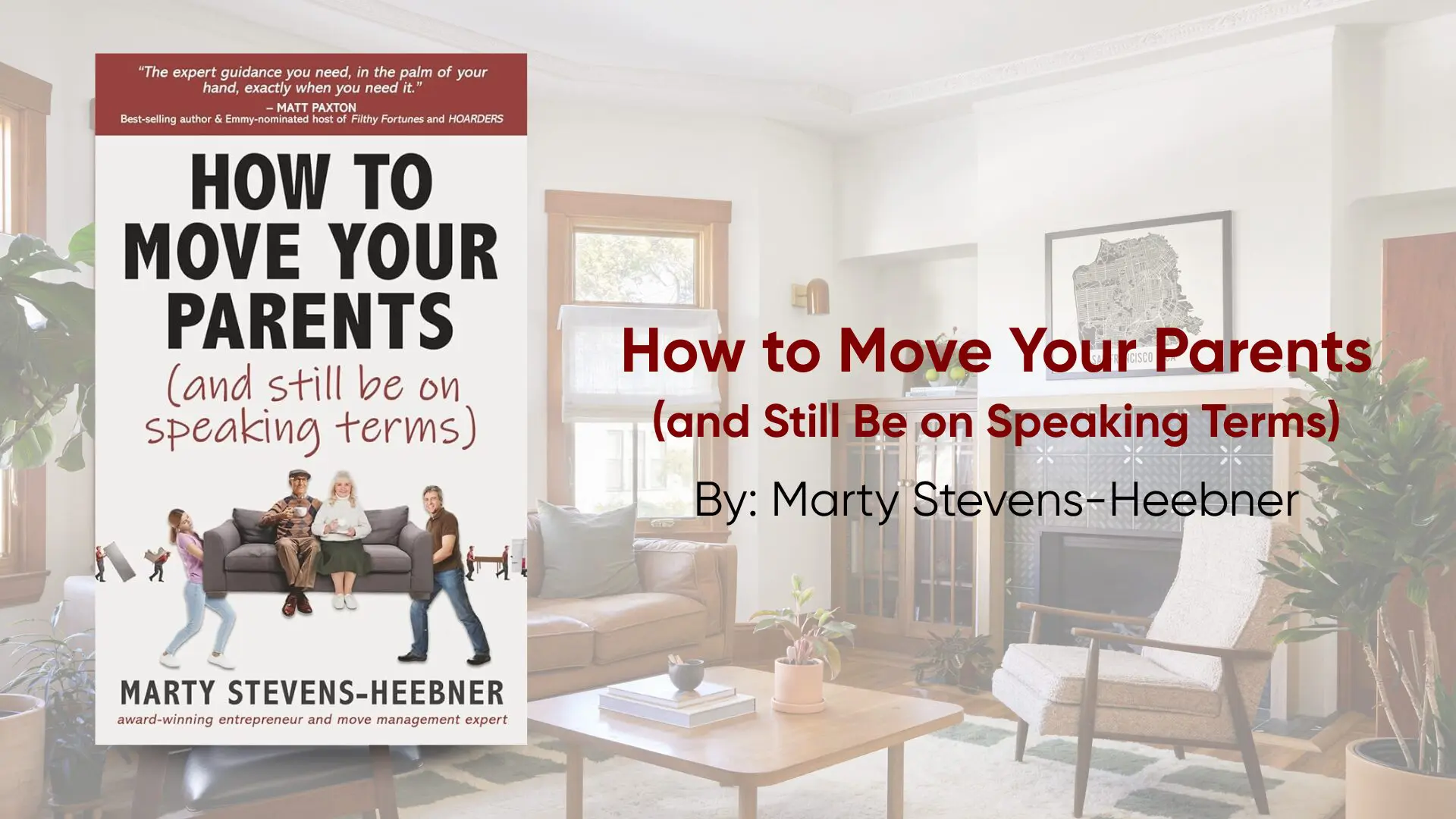
That’s the world Marty Stevens-Heebner understands so well. In her book “How to Move Your Parents (and Still Be on Speaking Terms),” she doesn’t just tell you how to move your parents, she helps you navigate the emotional, logistical, and relational roller coaster that comes with it.
This is not your typical “moving checklist” book. It’s a guide written with heart, humor, and empathy, backed by real-life expertise. Stevens-Heebner is a nationally recognized expert in later-life transitions and a certified downsizing specialist, so she’s seen it all: the arguments over the old dining table, the guilt about letting go, and the delicate dance between being a helpful child and a respectful adult.
Let’s take a deep dive into what makes this book so valuable, and why it might be one of the most practical, yet compassionate guides for families facing this life-changing transition.
Retirement Planning for Older Adults
Are you a little late to the retirement planning game? Get this comprehensive guide and get caught up!
Get the Guide!About the Author: Experience You Can Trust
Marty Stevens-Heebner isn’t just someone who writes about downsizing, she lives it. As a Certified Senior Move Manager and the founder of a nationally recognized moving service for seniors, she has guided countless families through the emotional and logistical challenges of helping older loved ones move into new chapters of their lives.
Her experience shines through every page. Unlike some “how-to” books that feel impersonal or overly clinical, Marty’s writing feels like having a wise friend at your side, someone who’s been there, seen it all, and knows how to keep her sense of humor through the chaos.
What the Book Is Really About
At its core, How to Move Your Parents (and Still Be on Speaking Terms) is a survival guide for adult children who find themselves managing one of life’s most complex tasks: helping their aging parents move, downsize, or transition into assisted living.
But what sets this book apart is that it’s not just about logistics, it’s about relationships.
Stevens-Heebner recognizes that behind every conversation about “what to keep” or “what to toss” lies a deeper emotional story:
- The fear of losing independence.
- The grief of saying goodbye to a lifelong home.
- The guilt and frustration that adult children often feel when trying to “do the right thing.”
Instead of offering one-size-fits-all advice, she gives you flexible tools to approach these challenges with compassion and patience, without losing your sanity or damaging family bonds.
If you’re beginning to explore long-term care options and want a clearer understanding of what “the next step” might look like for your parents, you may also find The Right Way to Find Assisted Living For Your Parents Online helpful.
Key Themes and Takeaways
1. Moving Isn’t Just Physical, It’s Emotional
Stevens-Heebner emphasizes that moving your parents involves much more than stuff. Every object tells a story. A worn-out armchair might look like clutter to you, but to your parents, it might hold decades of comfort and memories.
She reminds readers to approach each decision with empathy, not judgment. Instead of saying, “You don’t need this anymore,” she encourages questions like:
- “What memories come with this?”
- “Is there another way we can honor this memory without keeping the item?”
This shift in perspective turns what could be a battle into a meaningful conversation.
2. The Family Dynamics Are Real, and Manageable
Few things can ignite old family tensions like sorting through your parents’ possessions. Long-buried sibling rivalries or unspoken resentments can quickly resurface.
Stevens-Heebner offers practical strategies for avoiding drama:
- Set clear roles before you begin. (Who makes final decisions? Who handles logistics?)
- Communicate often and early to prevent misunderstandings.
- Respect emotional boundaries. Sometimes, walking away for a break is better than pushing an argument.
She also provides sample scripts and conversation starters, perfect for those tricky moments when emotions flare and you’re not sure what to say.
3. The Power of Planning Ahead
The book doesn’t just focus on “crisis moves.” It also encourages families to start early. Having honest conversations before a move becomes urgent can save everyone time, stress, and heartache.
Stevens-Heebner provides practical checklists and planning tools to:
- Assess your parents’ needs and timeline.
- Budget realistically (because yes, these moves can be expensive).
- Coordinate with movers, real estate agents, and senior living communities.
- Handle the unexpected, like sentimental resistance or sudden health changes.
These checklists are one of the book’s best features. They’re detailed enough to be useful, but flexible enough to adapt to any situation.
4. Letting Go, Gently
One of the hardest parts of moving elderly parents is the letting-go process, both for them and for you. Stevens-Heebner calls this the “emotional archaeology” of downsizing. As you unearth the past, you’ll face memories, regrets, and maybe a few surprises.
Her advice? Approach it with curiosity instead of control. Let your parents tell their stories. Listen before deciding. And when possible, find creative ways to repurpose or memorialize beloved items, such as:
- Photographing sentimental objects before donating them.
- Creating a memory book or digital album.
- Passing special pieces to grandchildren who will appreciate the story behind them.
Downsizing and letting go can be emotionally overwhelming for everyone involved. For a gentle, practical overview of this process, see The Easy Downsizing Overview for Homeowners Over 60: Simple, Profitable, and Stress-Free Strategies.
Tap Into your Home Equity
Need to raise some cash to pay for home improvements, or anything else? Get our Guide on Creative Ways to Tap Into Home Equity
Get our Guide!Why This Book Works
1. It Balances Humor and Heart
One of the book’s biggest strengths is its tone. Stevens-Heebner manages to make a serious topic surprisingly enjoyable to read. She’s funny, self-aware, and often laughs at the absurd moments that come with family life.
For example, she recounts stories of well-meaning parents insisting that their children keep outdated furniture “because it’s solid wood!” or trying to justify every random trinket as a family heirloom. These moments of humor provide relief, and remind readers that they’re not alone in the chaos.
2. It’s Grounded in Real-Life Stories
Throughout the book, Stevens-Heebner shares anecdotes from real clients and families she’s helped. These short stories add authenticity and relatability. You can easily see your own family in these examples, the overfilled garage, the teary farewell to the family home, the moments of unexpected laughter.
Each story also illustrates a key principle: empathy, patience, or creative problem-solving. Rather than just telling readers what to do, she shows how it works in practice.
3. It’s Actionable
Unlike many “feel-good” family books, this one gives you tools you can actually use. From conversation templates to packing timelines, it’s filled with ready-to-apply advice.
Some standout tools include:
- A “Pre-Move Checklist” that breaks down every stage of the process, from initial planning to settling in.
- Tips for handling sentimental items without triggering arguments.
- Guidelines for hiring trustworthy movers and estate-sale professionals.
- Budgeting insights that help you avoid hidden costs.
It’s practical, without ever losing its warmth.
Many families discover that major life transitions are easier when there’s a plan already in place. For a deeper look at preparing loved ones for aging at home, check out Select How to Safely Age in Place: A Practical Guide.
Who This Book Is For
You don’t have to be in the middle of a move to benefit from How to Move Your Parents (and Still Be on Speaking Terms). It’s valuable for:
- Adult children who anticipate needing to help their parents in the near future.
- Caregivers managing transitions into assisted living or senior communities.
- Siblings or relatives trying to coordinate a move as a team.
- Professionals in senior care, real estate, or estate planning who want to better understand the emotional side of family transitions.
Even if your parents are still independent, reading this book early can prepare you for what’s ahead, and help you start important conversations before it’s too late.
Lessons That Stay With You
After reading the book, several key messages linger:
- Empathy beats efficiency. You might want to finish the move quickly, but emotions take time. Patience pays off in preserved relationships.
- Stuff is never just stuff. Every item carries meaning, and honoring that meaning builds trust.
- Communication prevents conflict. Talking openly, early and often, can make all the difference.
- Laughter helps. A sense of humor can diffuse tension and make the process lighter.
- You’re not alone. Many families face this same challenge, and help is available.
And if you’re looking for guidance on the emotional side of aging and family transitions, you may also appreciate How to Recognize Early Signs of Dementia In Your Parents, which helps families prepare with clarity and compassion.
Real-World Relevance: Why This Book Matters Now
As populations age, more families are dealing with the realities of senior transitions. According to the U.S. Census Bureau, by 2030, one in five Americans will be over 65. That means millions of adult children will face this exact scenario in the coming decade.
Stevens-Heebner’s book arrives at the perfect time. It bridges the gap between practical logistics and emotional intelligence, something often missing from the conversation about elder care.
In a world where we plan weddings and baby showers down to the last detail, this book reminds us that planning for our parents’ next chapter deserves the same care and attention.
The Reading Experience
The book’s structure is clean, well-paced, and easy to navigate. Chapters are short and focused, making it easy to read in bursts, perfect for busy adults juggling work, kids, and caregiving duties.
Each section ends with actionable advice or reflection questions, helping readers digest key ideas before moving on. The tone is never condescending; instead, it feels collaborative, like a conversation between equals.
A Few Minor Drawbacks
No book is perfect, and this one isn’t an exception. Readers looking for a highly detailed, step-by-step moving manual (with spreadsheets and diagrams) might find it lighter on hard logistics. Its strength lies more in emotional strategy than in technical project management.
However, this is also what makes it accessible. For most families, the emotional hurdles are the real problem, and this book nails that balance beautifully.
Family Guide for Aging in Place
For Families with Older Adults who are looking to help with a Parent with Aging in Place!
Get the GuideConclusion: A Must-Read for Every Family Facing Change
How to Move Your Parents (and Still Be on Speaking Terms) is more than a moving guide, it’s a compassionate roadmap through one of life’s most delicate transitions.
Marty Stevens-Heebner doesn’t sugarcoat the challenges, but she offers the empathy and humor you need to get through them. Whether you’re weeks away from packing boxes or just starting to notice your parents might need more help soon, this book gives you the tools, language, and confidence to handle it with grace.
You’ll finish it feeling better prepared, less alone, and, most importantly, more connected to your family.
If you’re facing (or anticipating) this journey, do yourself a favor: read this book. It might just save your sanity, and your family relationships.